
April 21
5 moments across history
Nintendo Game Boy Release
Designed by Gunpei Yokoi using the philosophy of "lateral thinking with seasoned technology," the Game Boy launched with a grayscale screen and a 30-hour battery life, decisively outlasting color-screen competitors like the Atari Lynx and Sega Game Gear. It proved portable gaming could be a massive mainstream success, establishing the handheld market as a permanent, lucrative pillar of the video game ecosystem and laying the groundwork for decades of Nintendo portable hardware dominance.
Nintendo Game Boy Release
Nintendo Game Boy Release
Nintendo Game Boy Release

Designed by Gunpei Yokoi using the philosophy of "lateral thinking with seasoned technology," the Game Boy launched with a grayscale screen and a 30-hour battery life, decisively outlasting color-screen competitors like the Atari Lynx and Sega Game Gear. It proved portable gaming could be a massive mainstream success, establishing the handheld market as a permanent, lucrative pillar of the video game ecosystem and laying the groundwork for decades of Nintendo portable hardware dominance.
Apollo 16 Explores the Lunar Highlands
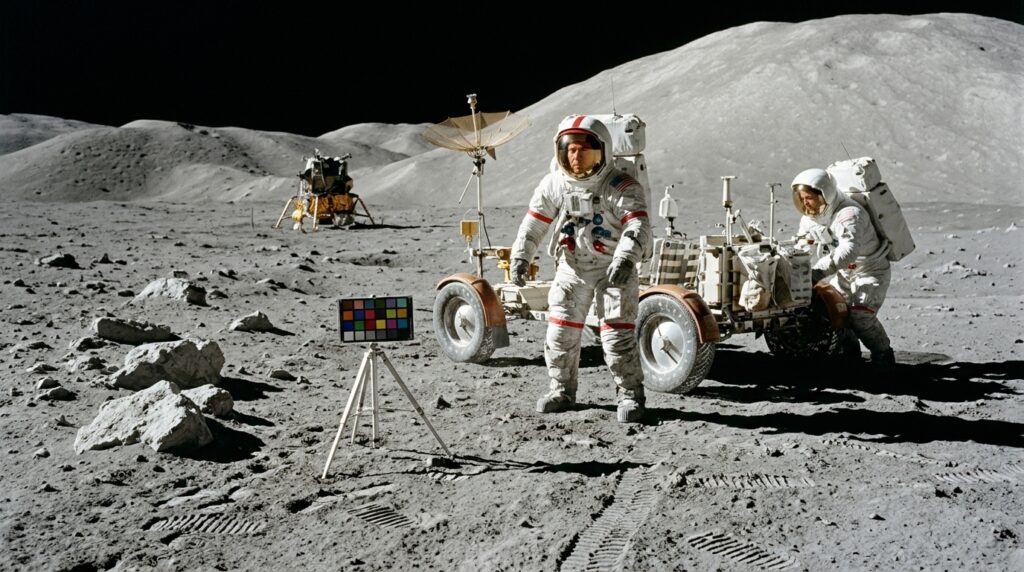
Apollo 16 Explores the Lunar Highlands
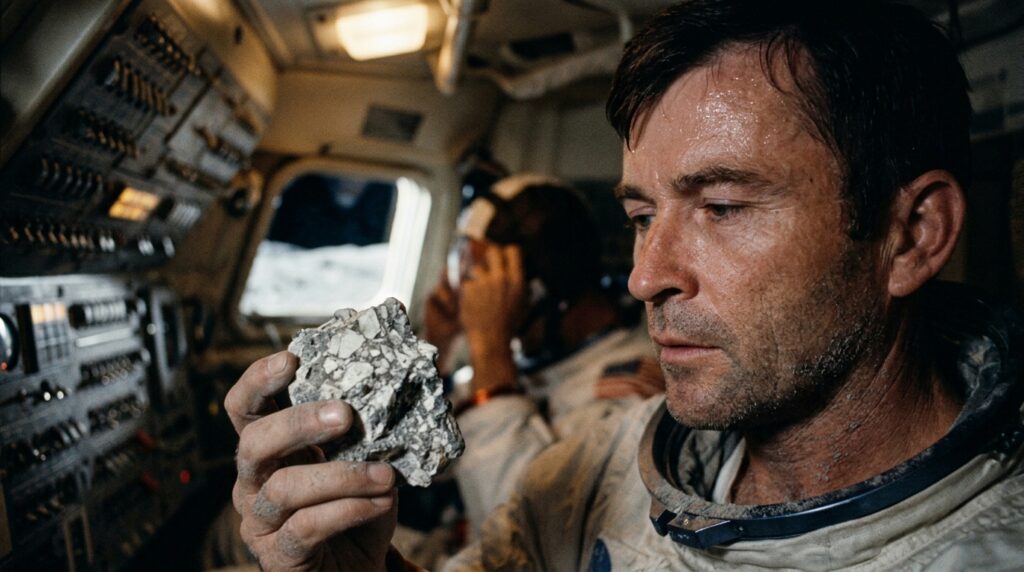
Landing in the mountainous Descartes region, Young and Duke became the first crew to explore the lunar highlands rather than the flat maria. During their seven-hour extravehicular activity, they utilized the Lunar Roving Vehicle to deploy instruments and collect samples. Anticipating ancient volcanic rocks, scientists instead discovered impact breccias formed by meteorite strikes, fundamentally reshaping lunar geology. As the penultimate Apollo mission amid severe budget cuts and shifting political priorities, it marked one of the final chapters of the Cold War-era Space Race.
The Founding of Rome
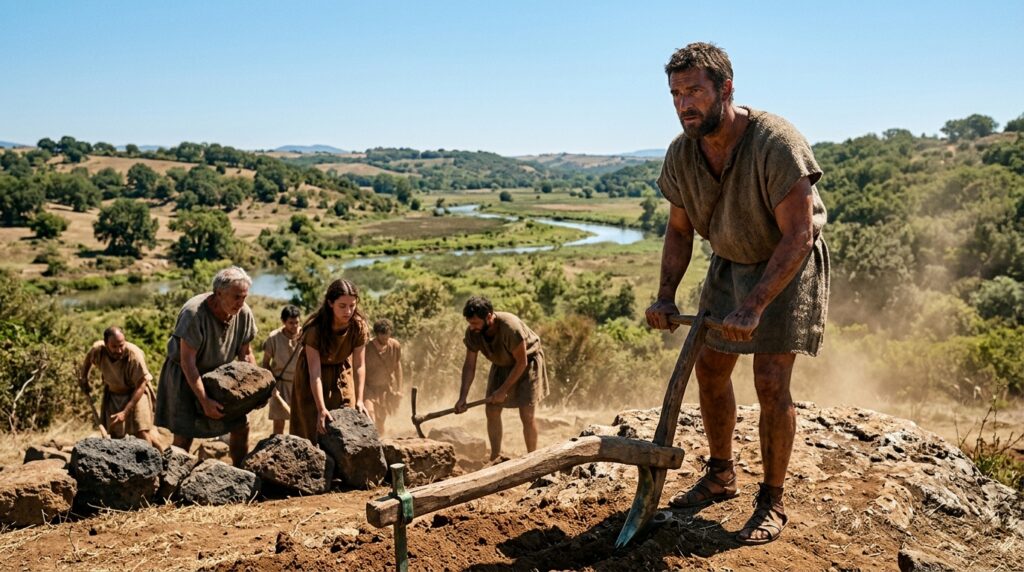
Romulus carves the first boundary of Rome on the Palatine Hill.
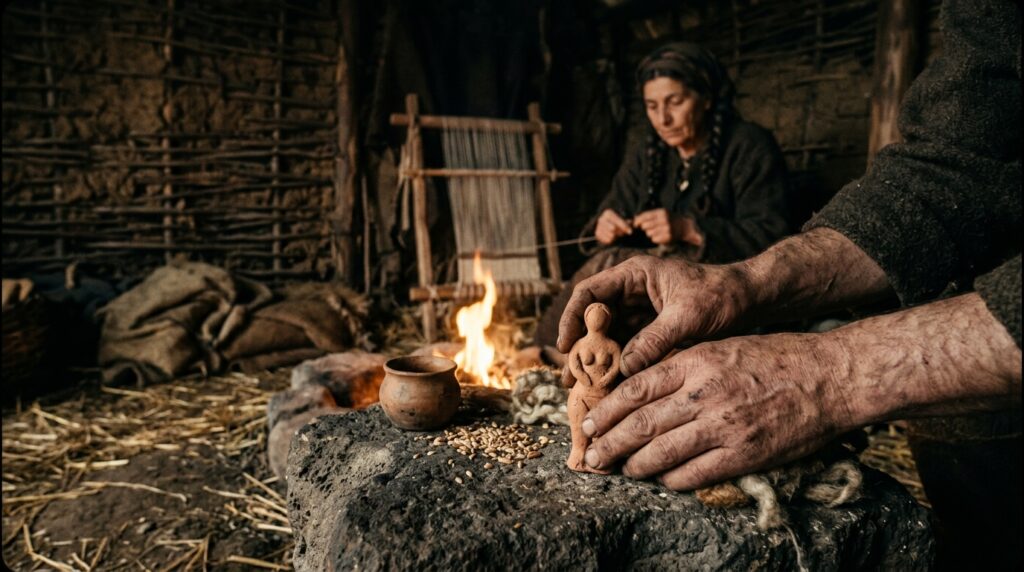
According to legend, Romulus and Remus were twin brothers raised by a she-wolf who chose the site of Rome's Seven Hills for their new city. After a dispute that led to Remus's death, Romulus founded Rome on the Palatine Hill. This traditional date marks the beginning of the Roman Kingdom, evolving from a cluster of huts into a colossal empire whose law, language, and architecture remain the bedrock of modern society.
Birth of Princess Elizabeth
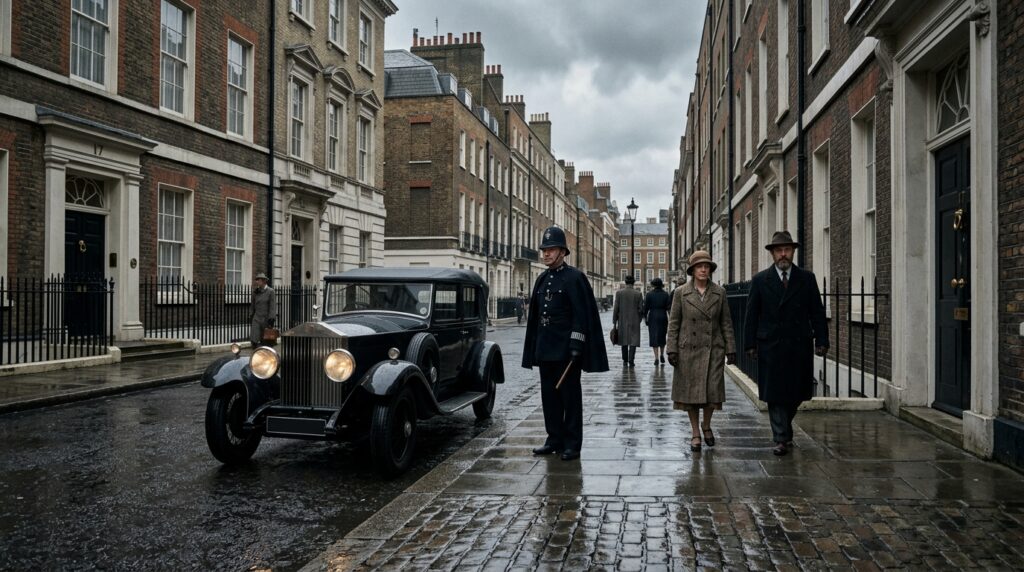
Bruton Street, London, on the morning of Princess Elizabeth's birth.
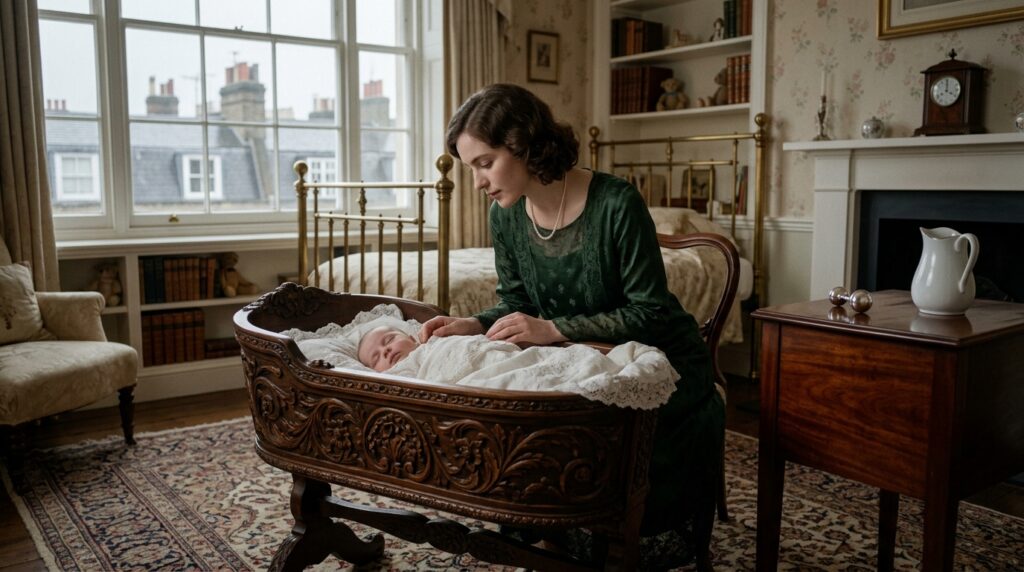
Born at 17 Bruton Street in Mayfair, Elizabeth Alexandra Mary was the first child of the Duke and Duchess of York (later King George VI and Queen Elizabeth). Though not expected to be queen at birth, the 1936 abdication of her uncle Edward VIII thrust her into the line of succession. Her seventy-year reign oversaw monumental global shifts, from the decolonization of Africa to the digital age, serving as a symbol of stability for the United Kingdom.
First Mississippi River Bridge
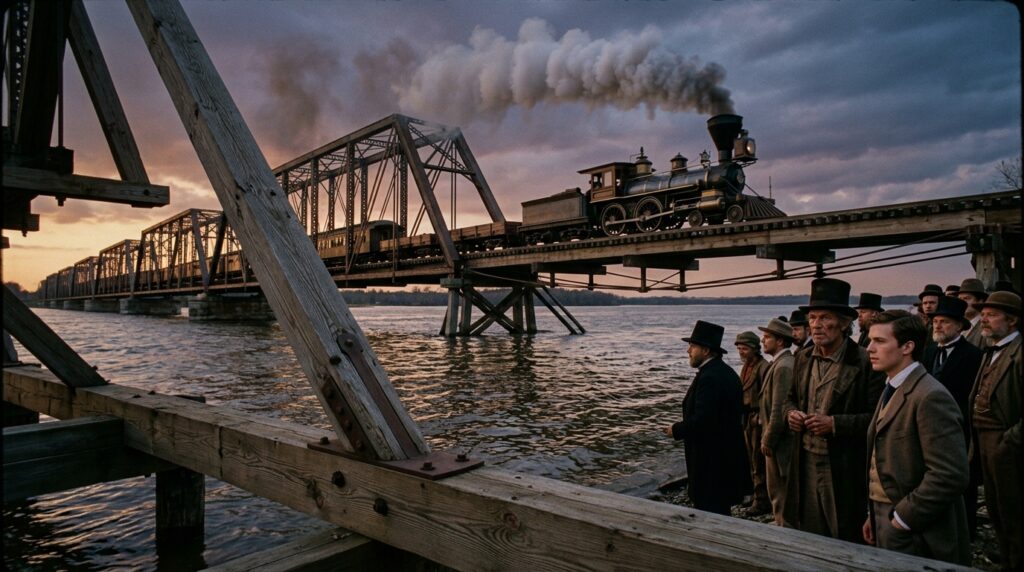
The first railroad bridge spans the Mississippi River in 1856.
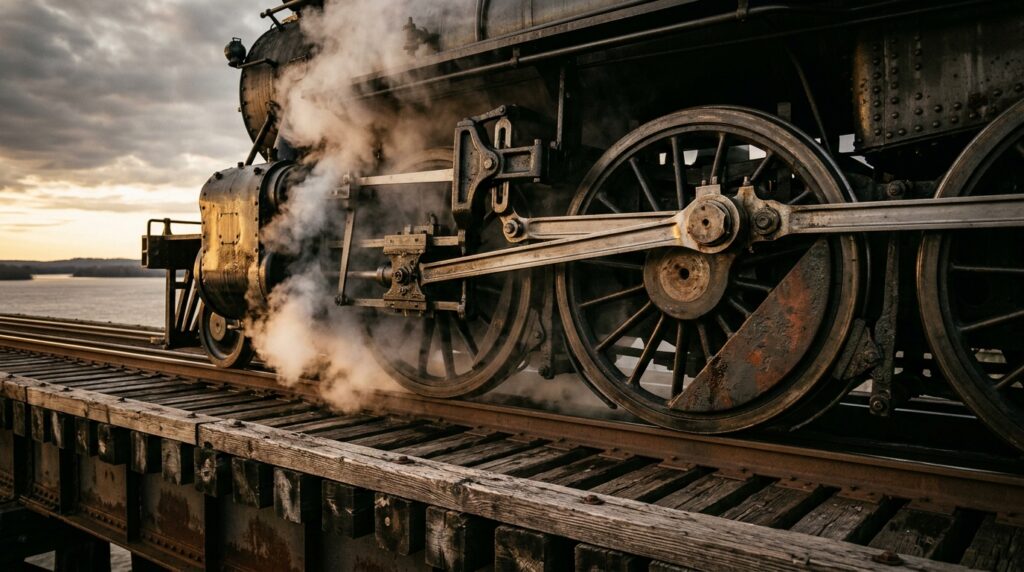
Connecting Rock Island, Illinois, and Davenport, Iowa, this 1,582-foot wooden-and-iron structure was the first to bridge the "Great River," enabling the expansion of the American frontier by rail. Its construction was fiercely opposed by the powerful steamboat industry, leading to a landmark legal battle (the Effie Afton case) where a young lawyer named Abraham Lincoln successfully defended the right of railroads to cross navigable waters, setting the stage for the transcontinental railroad.