![[e]Photo Stream](/logo.png)

June 21
5 moments across history
SpaceShipOne's First Private Human Spaceflight
On June 21, 2004, SpaceShipOne, piloted by Mike Melvill, reached an altitude of 100.1 kilometers, crossing the Kármán line and becoming the first privately funded crewed spacecraft to reach space. This flight mattered because it proved a commercial venture could achieve human spaceflight, breaking the government monopoly on space travel and inspiring the modern private space industry. Historically, it marked a transition from the Cold War–era state-run space race to a new era of entrepreneurial space exploration, culminating in SpaceShipOne winning the Ansari X Prize later that year.
SpaceShipOne's First Private Human Spaceflight
John Hinckley Jr. Found Not Guilty by Reason of Insanity for Attempted Assassination of President Reagan
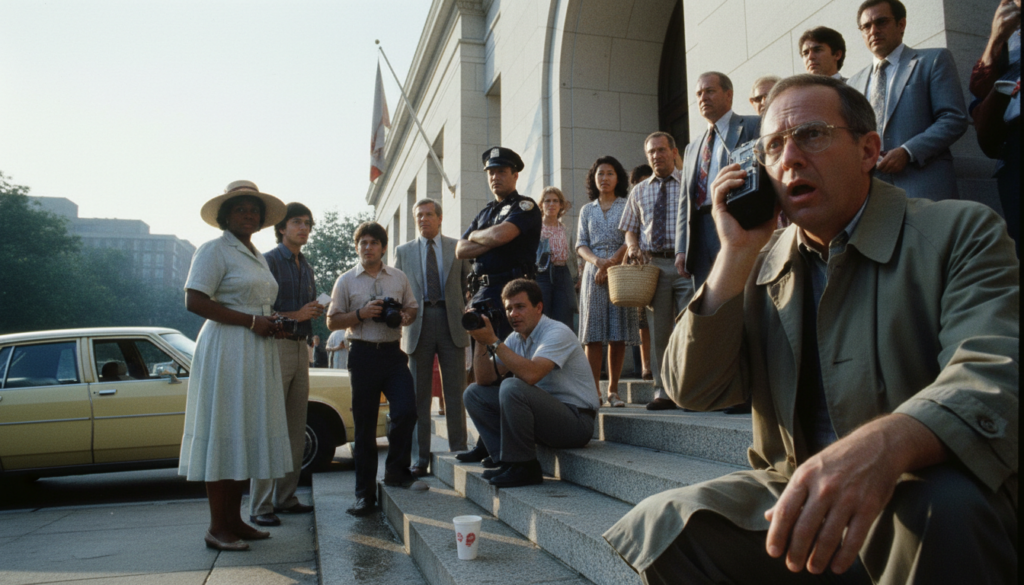
Event 2
Year: 1982
John Hinckley Jr. was found not guilty by reason of insanity on June 21, 1982, for his March 1981 shooting of President Ronald Reagan and three others, including Press Secretary James Brady. The verdict sparked widespread public outrage and national debate over the insanity defense, leading several states to tighten or reform their legal standards for such pleas. Broader historical context includes the attack occurring just two months into Reagan's presidency, the lasting impact on gun control advocacy from Brady's injuries, and the subsequent shift toward stricter mental health criteria in criminal law.
Miller v. California Establishes Obscenity Test
Miller v. California Establishes Obscenity Test

Year: 1973
On June 21, 1973, the U.S. Supreme Court ruled in Miller v. California that obscenity is not protected by the First Amendment, creating a three-part test requiring that material appeal to prurient interest, depict sexual conduct in a patently offensive way, and lack serious literary, artistic, political, or scientific value. This decision mattered because it replaced the previous "utterly without redeeming social value" standard from Roth v. United States (1957), giving states clearer—but still controversial—guidelines for regulating explicit content. The ruling emerged during a period of shifting social norms around sexuality and free expression in the 1960s and 1970s, as the Court sought to balance local community standards against constitutional protections.
Election of Pope Paul VI
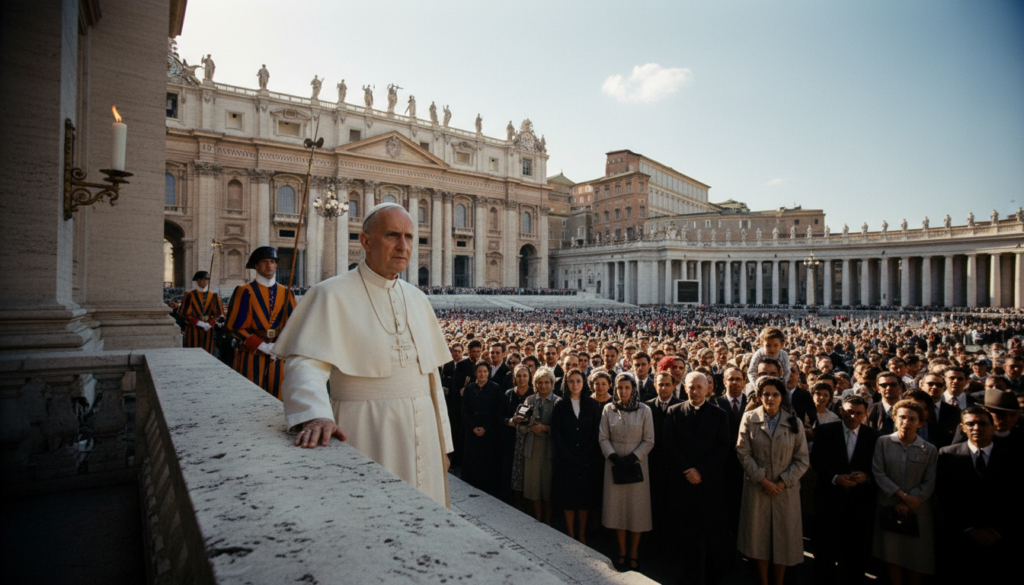
Election of Pope Paul VI
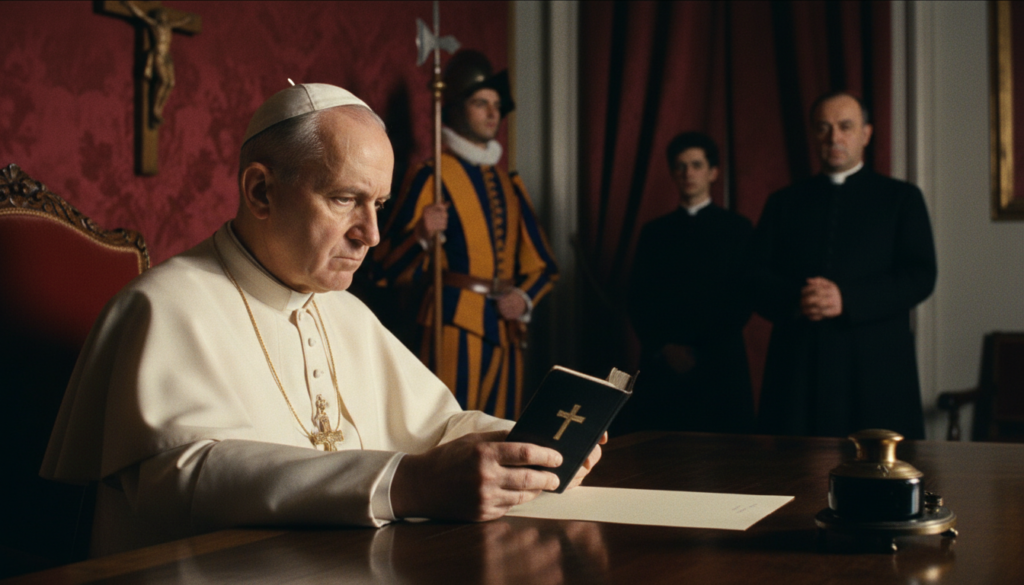
Year: 1963
On June 21, 1963, Cardinal Giovanni Battista Montini was elected Pope Paul VI, succeeding the recently deceased Pope John XXIII. This mattered because Paul VI chose to continue and ultimately lead the Second Vatican Council to its conclusion in 1965, implementing major liturgical and ecumenical reforms. The broader historical context includes the Cold War era and the Catholic Church’s efforts to modernize its relationship with the modern world, a process initiated by John XXIII.
Berlin Blockade and Airlift

Event 5

Year: 1948
On June 24, 1948, the Soviet Union blocked all road and rail access to West Berlin, cutting off supplies to the city’s western sectors in an attempt to force the Allies out. In response, the United States and Britain launched the Berlin Airlift, flying in food, fuel, and other necessities for nearly a year until the blockade was lifted in May 1949. This event mattered as a major early crisis of the Cold War, solidifying the division of Germany and demonstrating Western resolve against Soviet expansion without direct military conflict.