![[e]Photo Stream](/logo.png)

June 15
5 moments across history
Hong Kong Extradition Bill Suspension Announced
On June 15, 2019, Hong Kong Chief Executive Carrie Lam announced the indefinite suspension of the proposed extradition bill, which would have allowed transfers of suspects to mainland China, triggering months of massive protests. This mattered because the bill was seen as a threat to Hong Kong’s judicial autonomy under the “one country, two systems” framework, and its suspension failed to quell public anger, escalating into a broader pro-democracy movement. Historically, the protests became the largest in Hong Kong since its 1997 handover, highlighting deep tensions over Beijing’s increasing influence and setting the stage for the 2020 national security law.
Hong Kong Extradition Bill Suspension Announced
The Lion King Release

The Lion King Release

Released during the Disney Renaissance, the film revitalized Disney animation with its *Hamlet*-inspired story, iconic music, and early CGI integration, reflecting 1990s family entertainment trends and post-Cold War optimism, while later sparking debates on cultural representation.
On June 15, 1994, Disney released *The Lion King*, an animated film set in an African savanna inspired by Shakespeare’s *Hamlet*, which became the highest-grossing traditionally animated film of its time. Its success mattered as it revitalized Disney’s animation studio during the Disney Renaissance, cementing the era’s cultural impact through iconic music, themes of identity and loss, and groundbreaking CGI integration. Historically, it arrived amid a 1990s boom in family entertainment, reflecting post-Cold War optimism and globalizing media markets, while also sparking later debates over cultural representation and accuracy.
King Hussein of Jordan Marries Lisa Halaby, Becomes Queen Noor
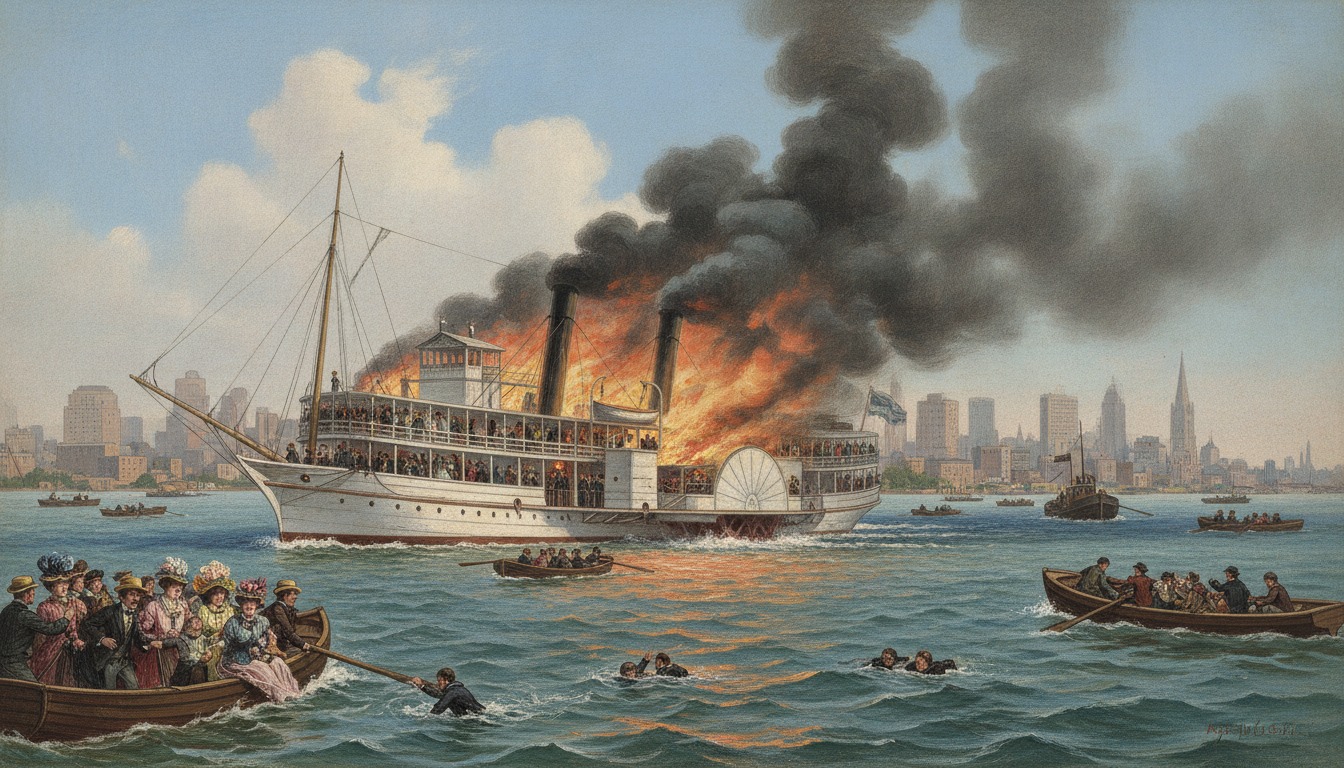
King Hussein of Jordan Marries Lisa Halaby, Becomes Queen Noor

The marriage occurred amid regional instability following the 1973 Arab-Israeli War and the 1977 Camp David peace process. Queen Noor later became a prominent advocate for education, cross-cultural dialogue, and humanitarian causes, shaping Jordan’s modern international image.
On June 15, 1978, King Hussein of Jordan married Lisa Halaby, an American of Syrian-Lebanese descent, who adopted the name Queen Noor. The marriage strengthened Jordan’s ties with the United States during the Cold War, as the king navigated regional instability following the 1973 Arab-Israeli War and the 1977 Camp David peace process. Queen Noor later became a prominent advocate for education, cross-cultural dialogue, and humanitarian causes, shaping Jordan’s modern international image.
U.S. Marines Land on Saipan
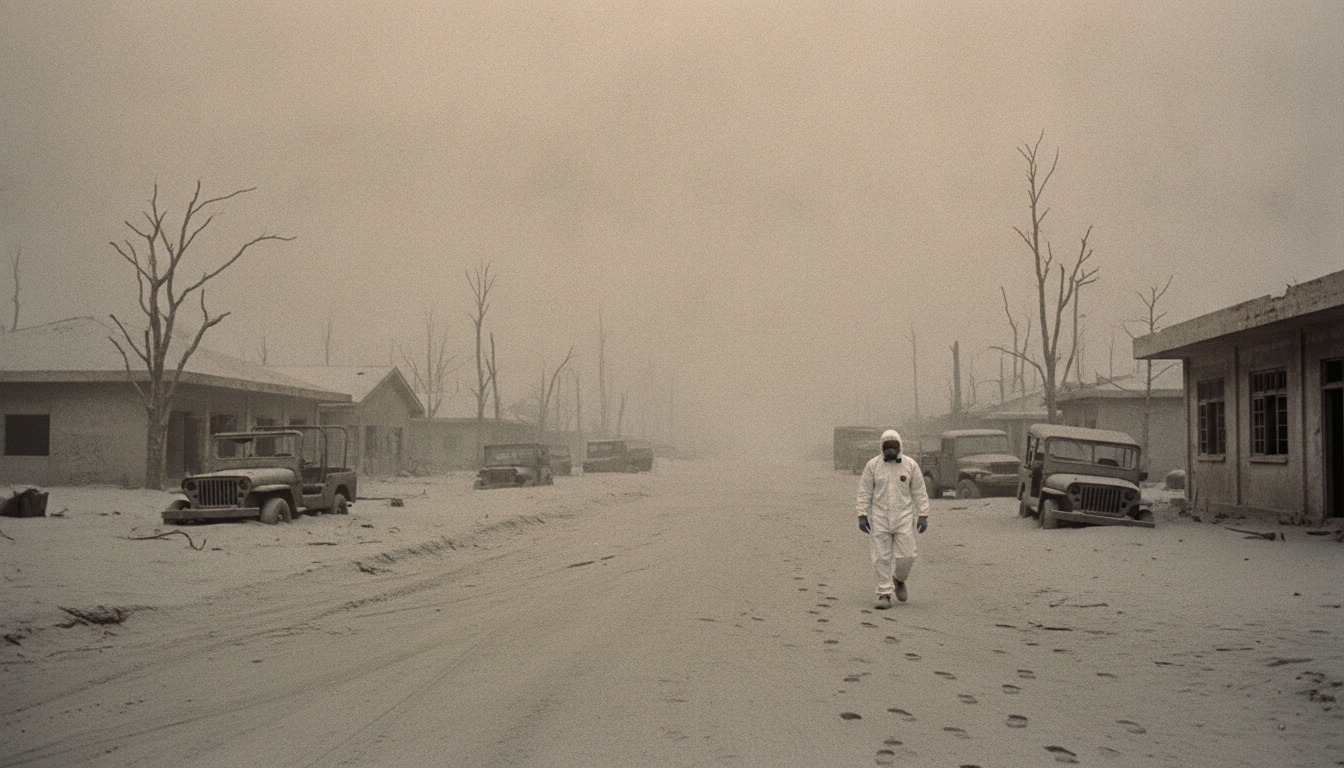
Event 4
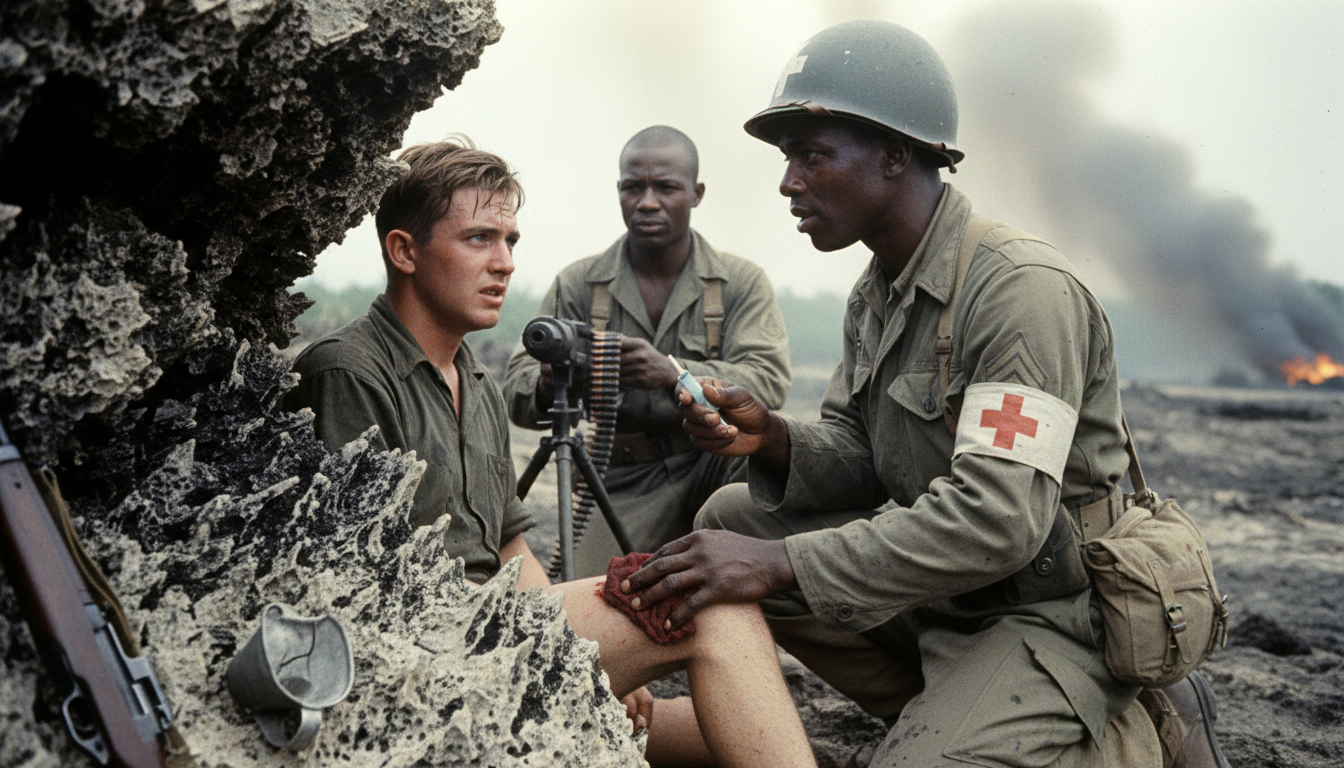
Historical interpretation generated from the script output.
On June 15, 1944, U.S. Marines landed on the island of Saipan in the Mariana Islands, initiating a brutal three-week campaign against entrenched Japanese forces. The battle was critical because capturing Saipan placed American B-29 bombers within range of the Japanese home islands, directly threatening Japan’s strategic heartland. This victory, part of the broader Allied island-hopping strategy, hastened Japan’s eventual defeat and contributed to the decision to use atomic bombs the following year.
U.S. President Woodrow Wilson Signs the National Defense Act

U.S. President Woodrow Wilson Signs the National Defense Act

On June 15, 1916, President Wilson signed the act amid rising global tensions, marking a U.S. shift from isolationism toward greater military preparedness, just one year before America declared war on Germany.
On June 15, 1916, U.S. President Woodrow Wilson signed the National Defense Act, which significantly expanded the regular Army, increased the National Guard’s size and federal oversight, and established the Reserve Officers' Training Corps (ROTC). This mattered because it prepared the United States for potential entry into World War I, shifting from a small peacetime force to a more modern, mobilized military structure. The act reflected the broader context of rising global tensions and the U.S. shift from isolationism toward greater international involvement, just a year before America declared war on Germany.