![[e]Photo Stream](/logo.png)
June 19
5 moments across history
Julian Assange enters Ecuadorian embassy in London
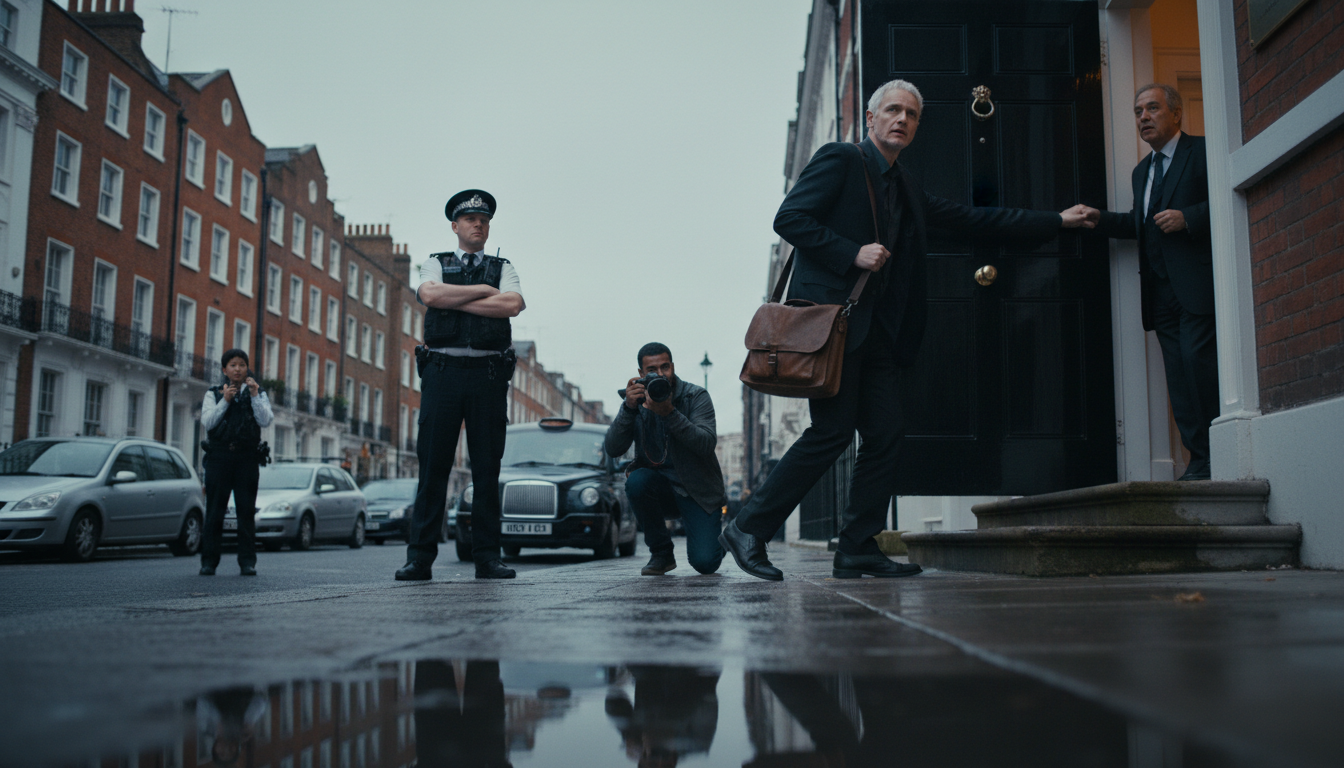
On June 19, 2012, WikiLeaks founder Julian Assange entered the Ecuadorian embassy in London to request political asylum, after exhausting legal appeals against extradition to Sweden over sexual assault allegations. This event mattered because it triggered a seven-year diplomatic standoff, during which Assange remained in the embassy while continuing to publish classified U.S. documents, intensifying global debates over press freedom, government transparency, and the limits of asylum. Broader historical context includes the 2010 release of U.S. diplomatic cables and military logs by WikiLeaks, which had already strained U.S.-allied relations and led to criminal investigations, making Assange’s refuge a flashpoint in the ongoing conflict between state secrecy and whistleblowing.
Julian Assange enters Ecuadorian embassy in London
Stephen King’s 1999 Accident and Recovery
Stephen King’s 1999 Accident and Recovery
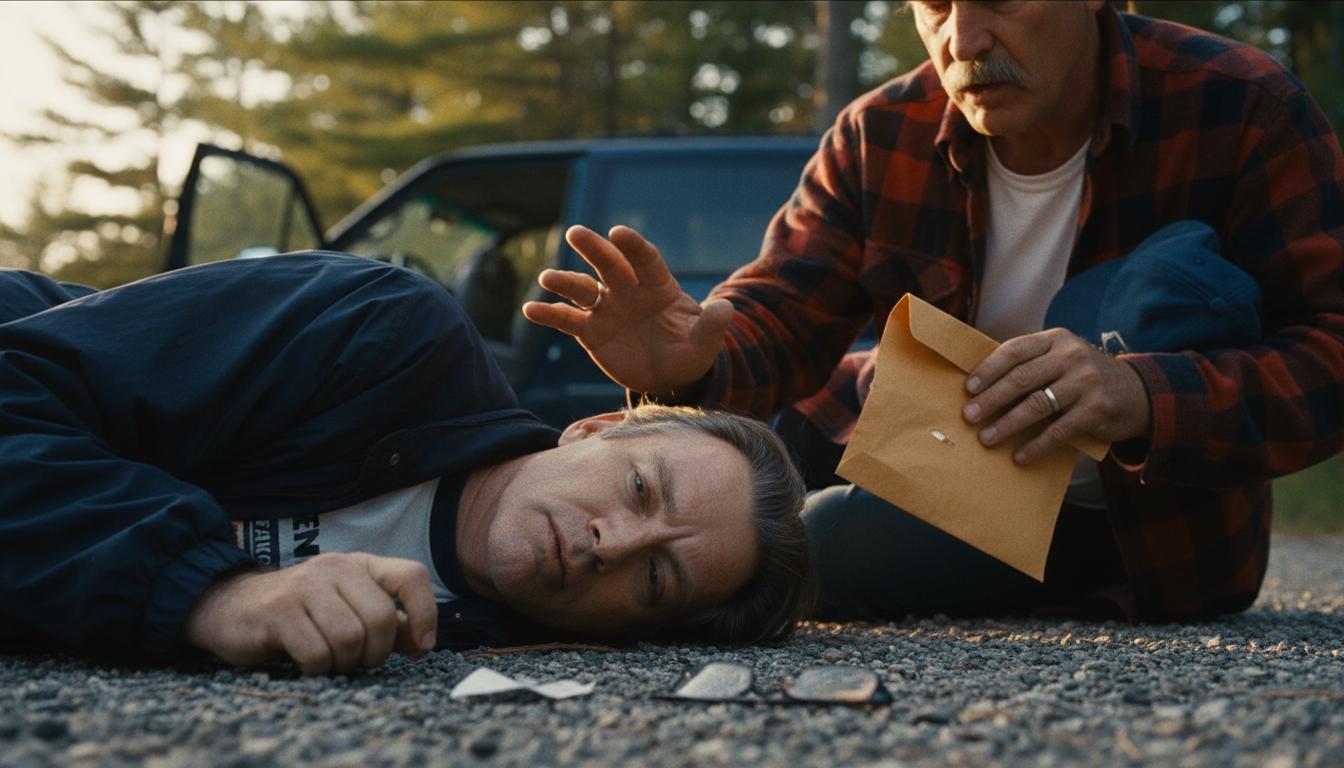
Occurring at the peak of King’s fame following *The Green Mile* and *Bag of Bones*, just before the millennium, the near-fatal accident drew intense media attention amid cultural introspection about celebrity and mortality, and his recovery directly influenced his 2000 memoir *On Writing*.
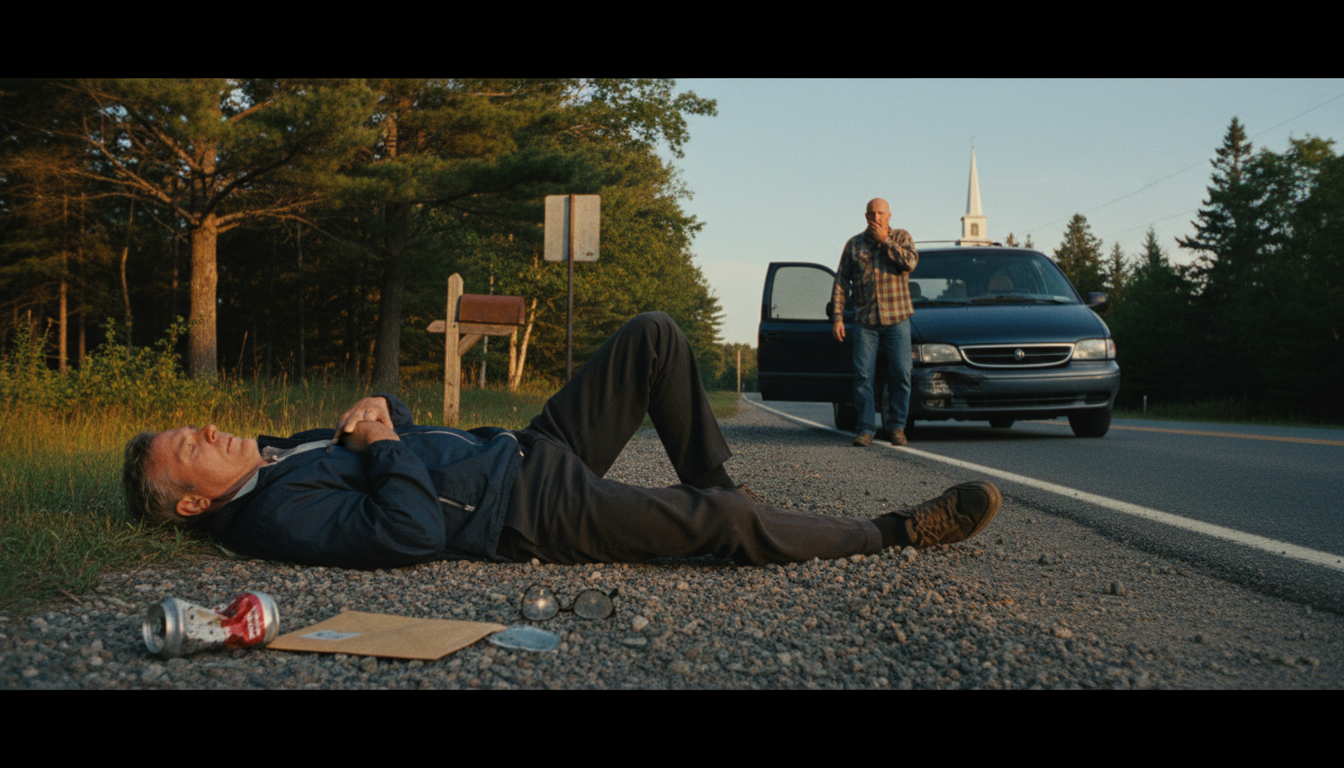
Stephen King was struck by a minivan while walking on a road in Maine on June 19, 1999, suffering a collapsed lung, multiple fractures, and a shattered hip. The accident nearly killed one of the best-selling authors of the late 20th century, and his recovery informed his 2000 memoir *On Writing*, influencing his later work and raising public awareness about pedestrian safety. This event unfolded at the peak of King's fame, after *The Green Mile* and *Bag of Bones*, and just before the millennium—a time of cultural introspection and heightened media attention around celebrity incidents.
Dissolution of the Warsaw Pact
Dissolution of the Warsaw Pact
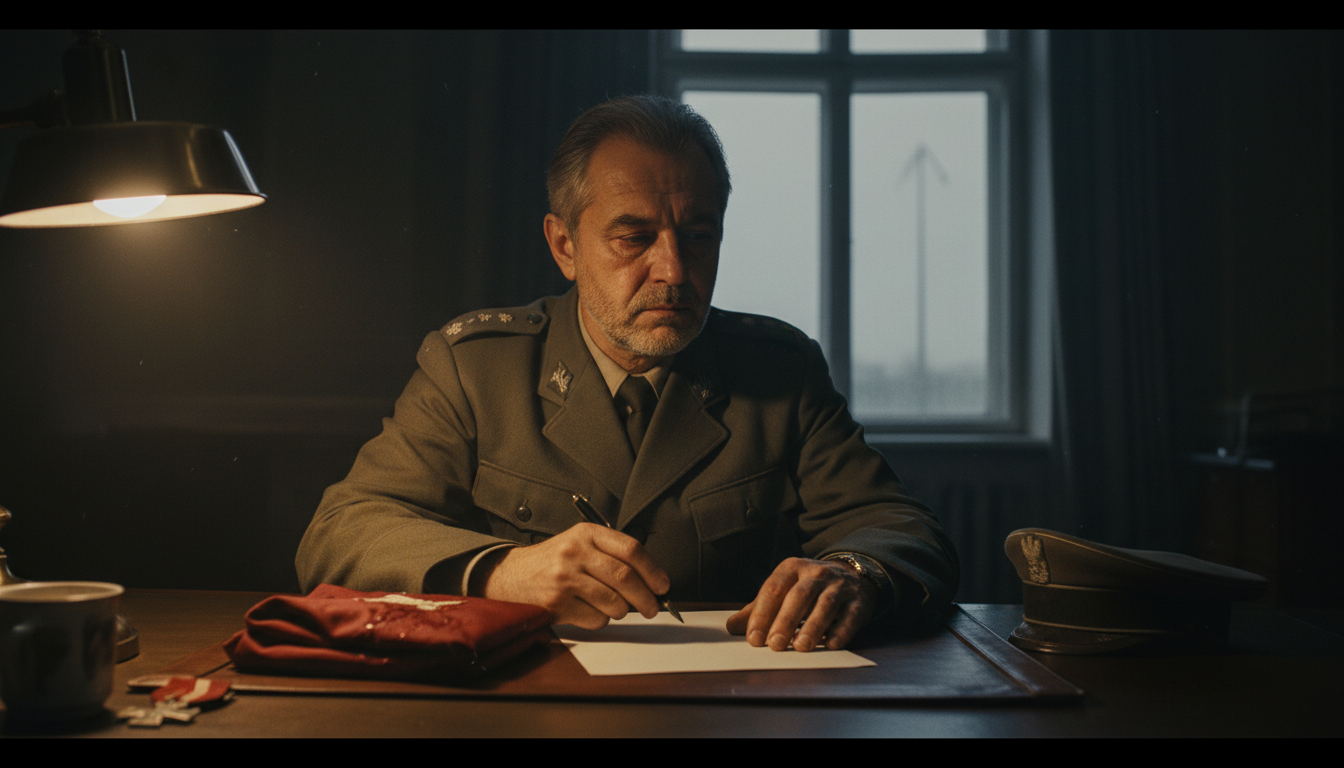
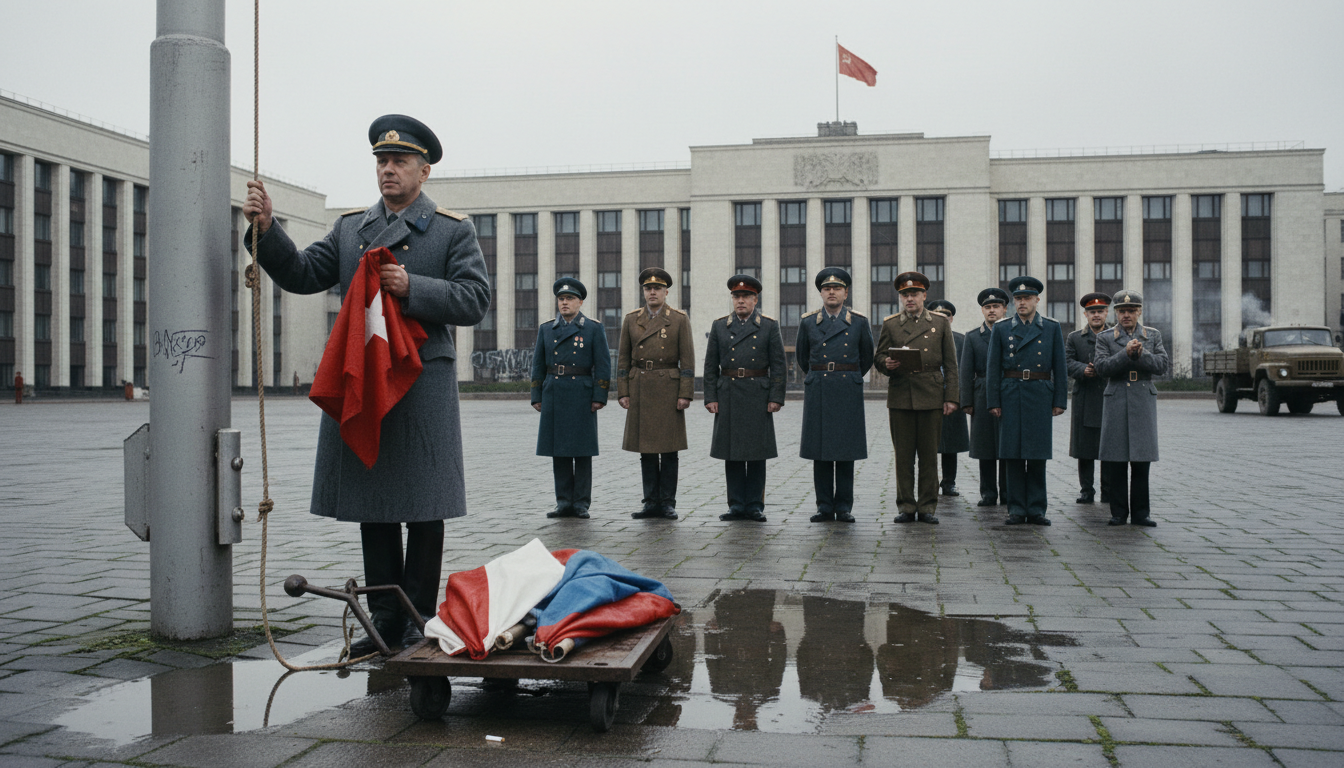
The dissolution followed the 1989 collapse of communist governments in Eastern Europe and the 1990 reunification of Germany, and preceded the USSR’s own formal dissolution in December 1991, marking the final end of Cold War tensions in the region.
On June 19, 1991, the Soviet Union formally dissolved the Warsaw Pact, the military alliance of Eastern Bloc states founded in 1955 as a counterbalance to NATO. This dissolution mattered because it marked the end of the Cold War's primary military division in Europe, removing the institutional framework that had underpinned Soviet control over its satellite states. The broader context includes the collapse of communist governments in Eastern Europe in 1989, German reunification in 1990, and the accelerating disintegration of the USSR itself, which would formally dissolve in December 1991.
Event 4

Event 4

Historical interpretation generated from the script output.
On June 19, 1978, the comic strip "Garfield," created by Jim Davis, debuted in 41 U.S. newspapers, featuring a lazy, lasagna-loving orange cat. Its matter-of-fact humor and relatable cynicism resonated with readers, helping it become one of the most widely syndicated strips in history. The launch occurred during a peak era for newspaper comics, alongside strips like "Peanuts" and "Calvin and Hobbes," and it later expanded into a multimedia franchise spanning television, films, and merchandise.
Execution of Julius and Ethel Rosenberg for Espionage
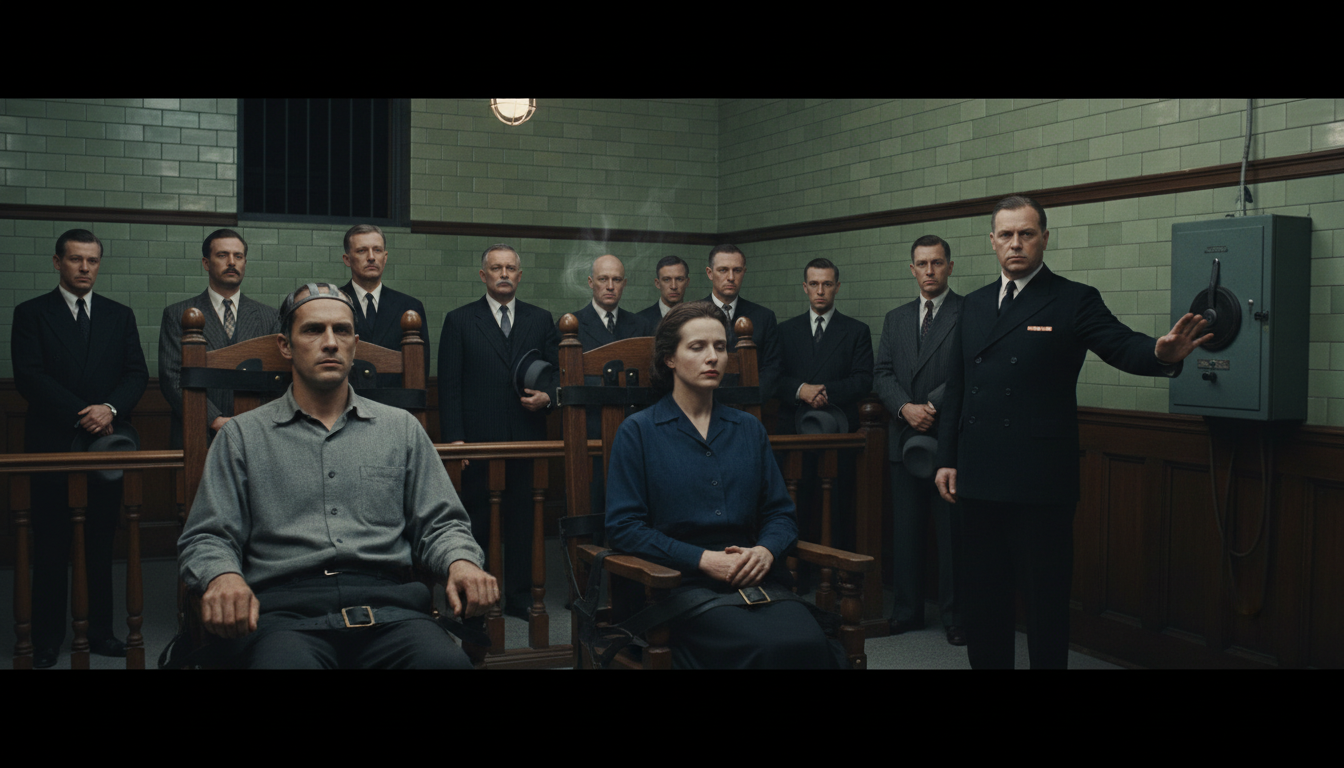
Execution of Julius and Ethel Rosenberg for Espionage
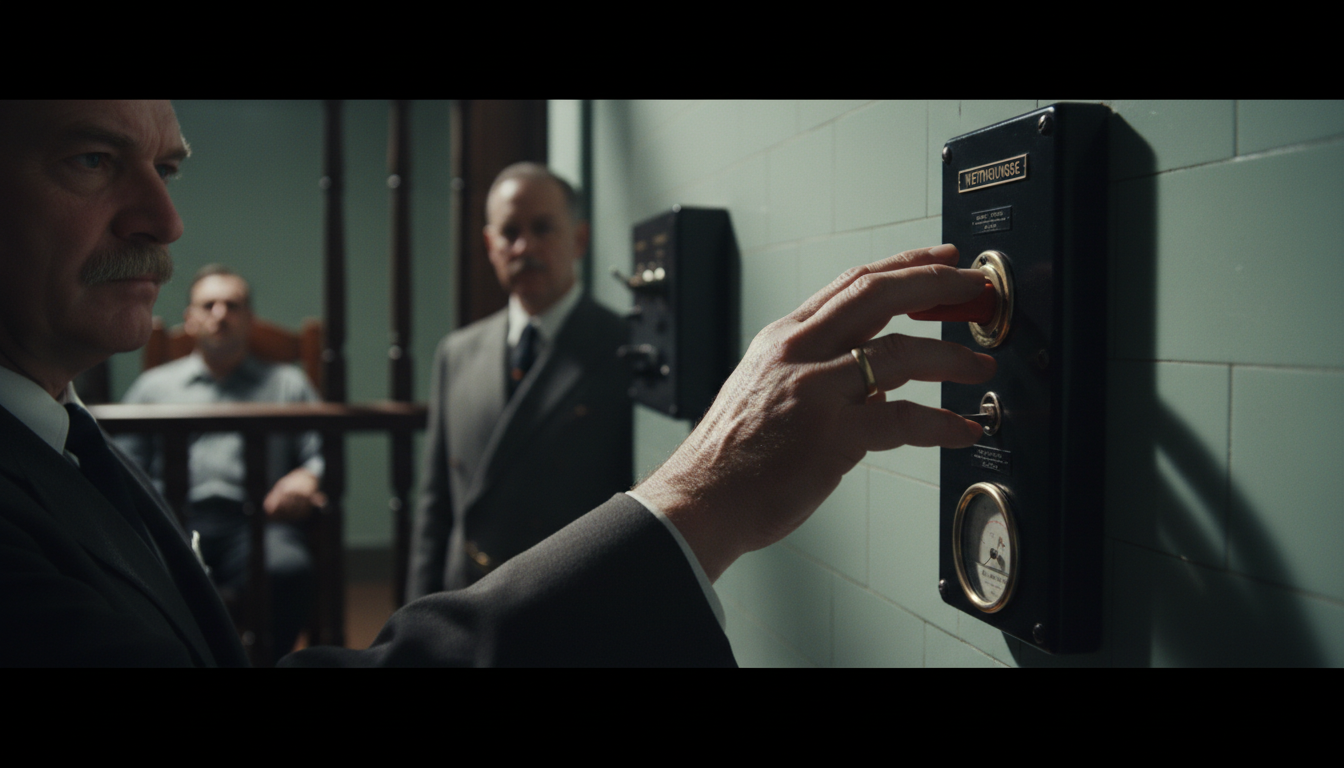
The execution occurred amid the Cold War’s Red Scare and McCarthyism, following the 1949 Soviet nuclear test, and intensified debates over trial fairness and national security fears.
On June 19, 1953, Julius and Ethel Rosenberg were electrocuted at Sing Sing prison after being convicted of conspiring to pass atomic bomb secrets to the Soviet Union. Their execution mattered as it marked the only time in U.S. history that civilians were put to death for espionage during peacetime, intensifying Cold War fears and debates over the fairness of their trial. The broader historical context includes the post-World War II Red Scare, the rise of McCarthyism, and the 1949 Soviet nuclear test, which fueled accusations that the Rosenbergs had aided an enemy in a time of global tension.