![[e]Photo Stream](/logo.png)
June 16
5 moments across history
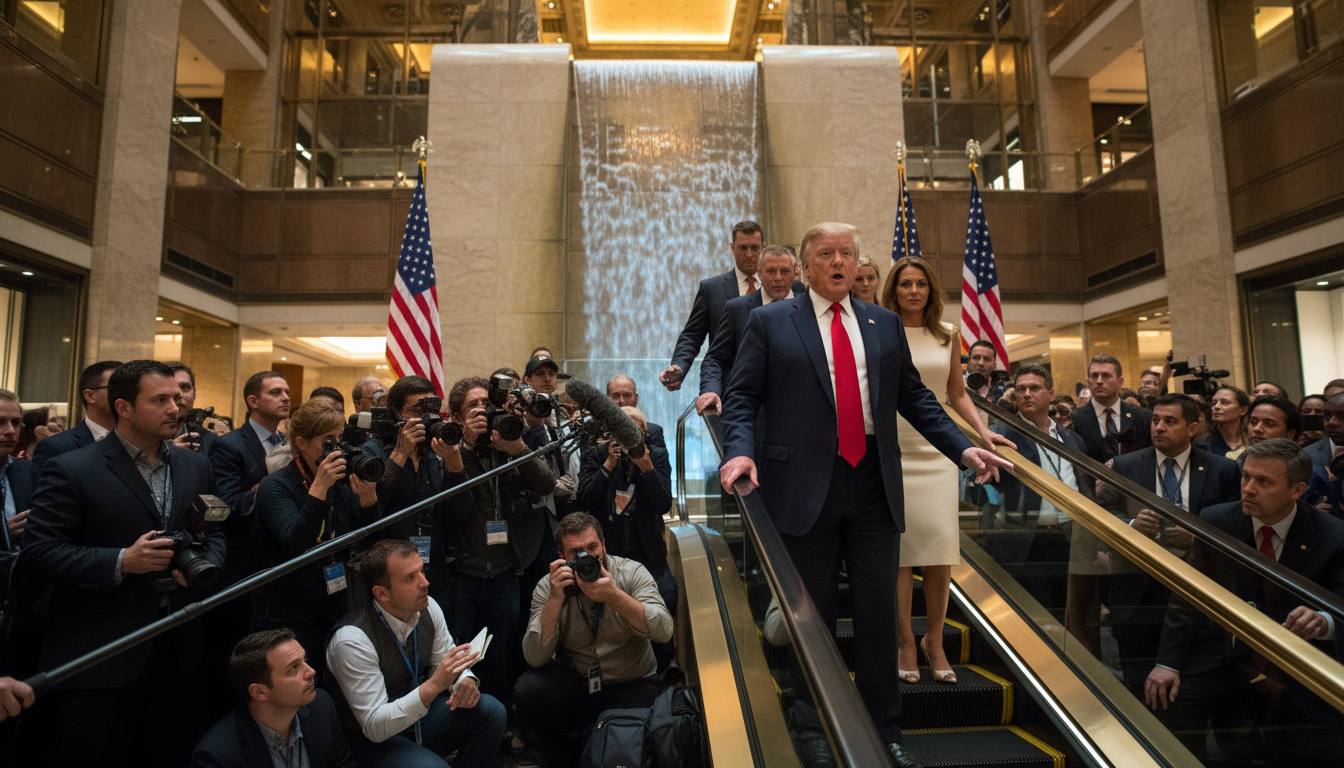
Donald Trump Announces 2016 Presidential Campaign
On June 16, 2015, Donald Trump descended the escalator at Trump Tower in New York to announce his candidacy for the 2016 U.S. presidential election, famously stating he would "make America great again." This event mattered because it launched a political campaign that defied conventional expectations, ultimately leading to Trump’s victory and a reshaping of the Republican Party’s platform and rhetoric. In broader historical context, his announcement came amid rising populist and nationalist sentiments in the U.S. and globally, following the 2008 financial crisis and the Obama administration’s policies, setting the stage for a deeply polarized political era.
Donald Trump Announces 2016 Presidential Campaign
Oracle Corporation Founded by Larry Ellison, Bob Miner, and Ed Oates
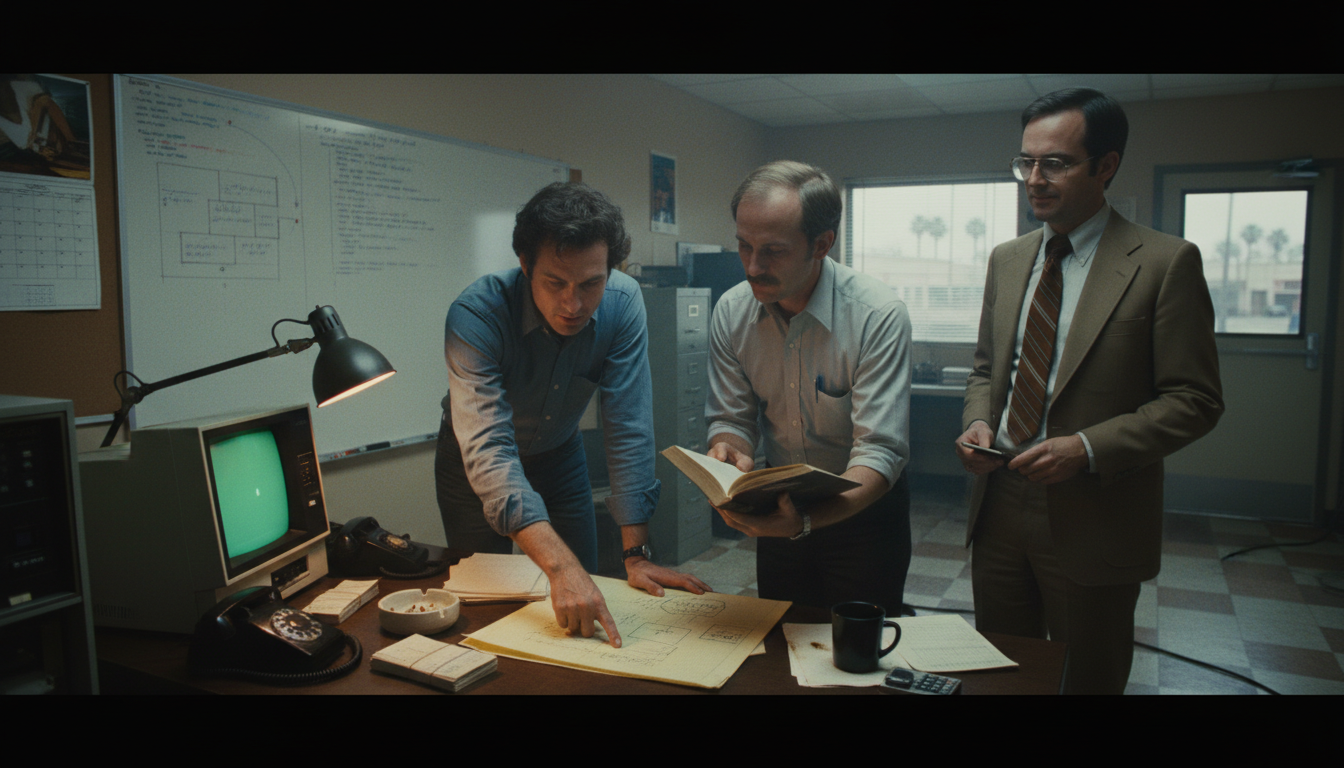
Oracle Corporation Founded by Larry Ellison, Bob Miner, and Ed Oates

Initially named Software Development Laboratories, Oracle commercialized the first SQL-based RDBMS, revolutionizing enterprise data management and becoming a foundational pillar of the database industry.
On June 16, 1977, Larry Ellison, Bob Miner, and Ed Oates founded Oracle Corporation, initially named Software Development Laboratories, to commercialize relational database technology. This mattered because Oracle’s development of the first commercially available SQL-based relational database management system revolutionized data management, enabling businesses to efficiently store, query, and process large datasets. In the broader context of the emerging personal computing and enterprise software era, Oracle became a foundational pillar of the database industry, competing with IBM and shaping the infrastructure for modern data-driven applications.
Valentina Tereshkova Launches into Space Aboard Vostok 6

Valentina Tereshkova Launches into Space Aboard Vostok 6

A landmark in the Cold War Space Race, this mission followed Yuri Gagarin's 1961 flight and predated the first American woman in space, Sally Ride, by 20 years.
On June 16, 1963, Soviet cosmonaut Valentina Tereshkova launched aboard Vostok 6, becoming the first woman in space and completing 48 orbits of Earth. Her mission proved that women could withstand the physical and psychological demands of spaceflight, a landmark achievement for gender equality amid the Cold War Space Race. This event followed Yuri Gagarin’s first human spaceflight in 1961, reinforcing Soviet space superiority and predating the first American woman in space, Sally Ride, by two decades.
Soviet Ultimatum to Lithuania (1940)

Soviet Ultimatum to Lithuania (1940)

This event was part of the Soviet Union’s coordinated pressure on the Baltic states under the Molotov–Ribbentrop Pact’s secret protocols, exploiting the Nazi-Soviet alliance to expand control while Germany focused on Western Europe, ultimately extinguishing Lithuanian independence.
On June 16, 1940, the Soviet Union issued an ultimatum to Lithuania, demanding the formation of a new government and the free entry of Soviet troops, which led to the military occupation of the country. This event mattered because it marked the effective annexation of Lithuania into the USSR, extinguishing its independence and integrating it into the Soviet sphere under the Molotov–Ribbentrop Pact's secret protocols. Broader historical context includes the Soviet Union's simultaneous pressure on Latvia and Estonia, as well as the ongoing Nazi-Soviet alliance, which enabled Moscow to expand its control over the Baltic states while Germany focused on Western Europe.
Franklin D. Roosevelt Signs the National Industrial Recovery Act
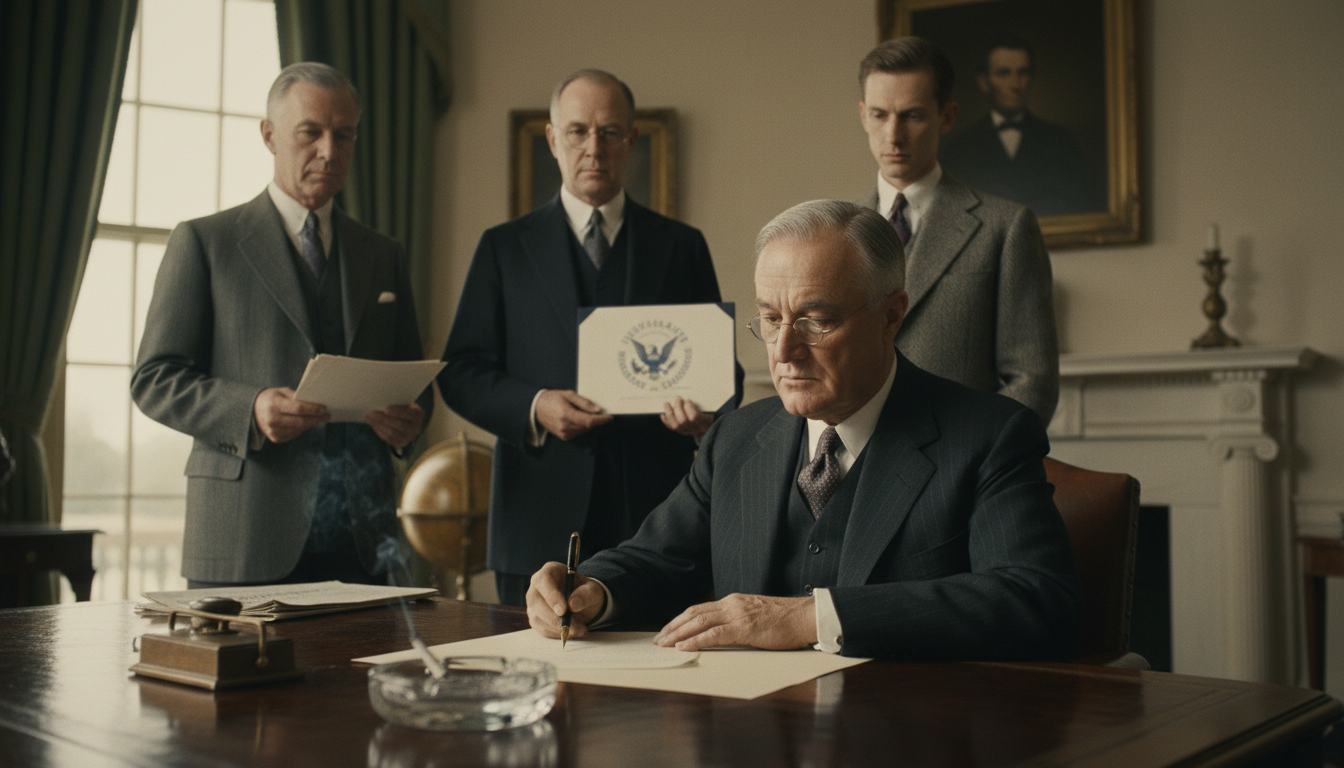
Franklin D. Roosevelt Signs the National Industrial Recovery Act
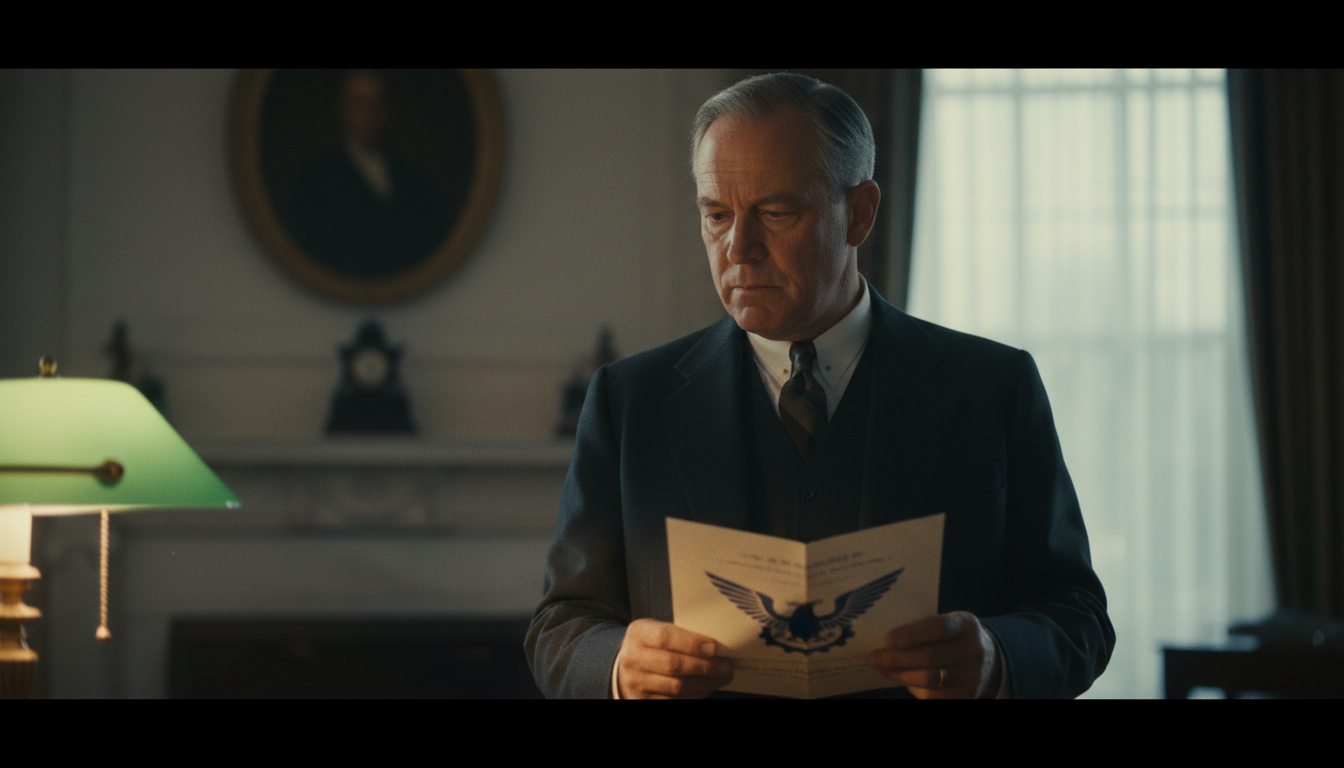
During the Great Depression, the NIRA created the National Recovery Administration (NRA) to enforce industry codes; though declared unconstitutional in 1935, it set a precedent for federal economic intervention and later labor laws like the Wagner Act.
On June 16, 1933, President Franklin D. Roosevelt signed the National Industrial Recovery Act (NIRA), a cornerstone of the New Deal designed to boost industrial recovery and reduce unemployment during the Great Depression. The act established the National Recovery Administration (NRA) to enforce codes of fair competition, set minimum wages and maximum hours, and guarantee workers' rights to unionize under Section 7(a). Although the Supreme Court declared the NIRA unconstitutional in 1935 (Schechter Poultry Corp. v. United States), it marked a pivotal federal intervention in the economy and laid groundwork for later labor protections like the Wagner Act.