![[e]Photo Stream](/logo.png)
June 4
5 moments across history
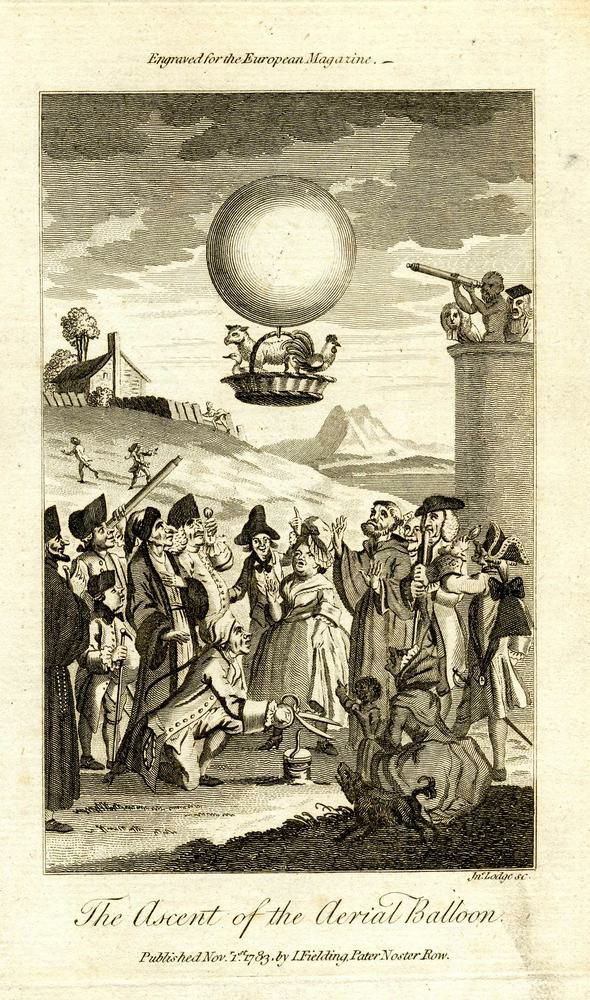
Montgolfier brothers demonstrate first hot air balloon
On June 4, 1783, Joseph-Michel and Jacques-Étienne Montgolfier publicly demonstrated their hot air balloon — the montgolfière — in Annonay, France, before a crowd of dignitaries. The unmanned balloon rose to an estimated 1,600-2,000 meters and traveled 2 kilometers, marking the birth of human flight and paving the way for the first manned flights later that year.
The Montgolfier brothers' groundbreaking hot air balloon demonstration on June 4, 1783, in Annonay, France — the birth of aviation.
Henry Ford tests his first automobile: the Quadricycle
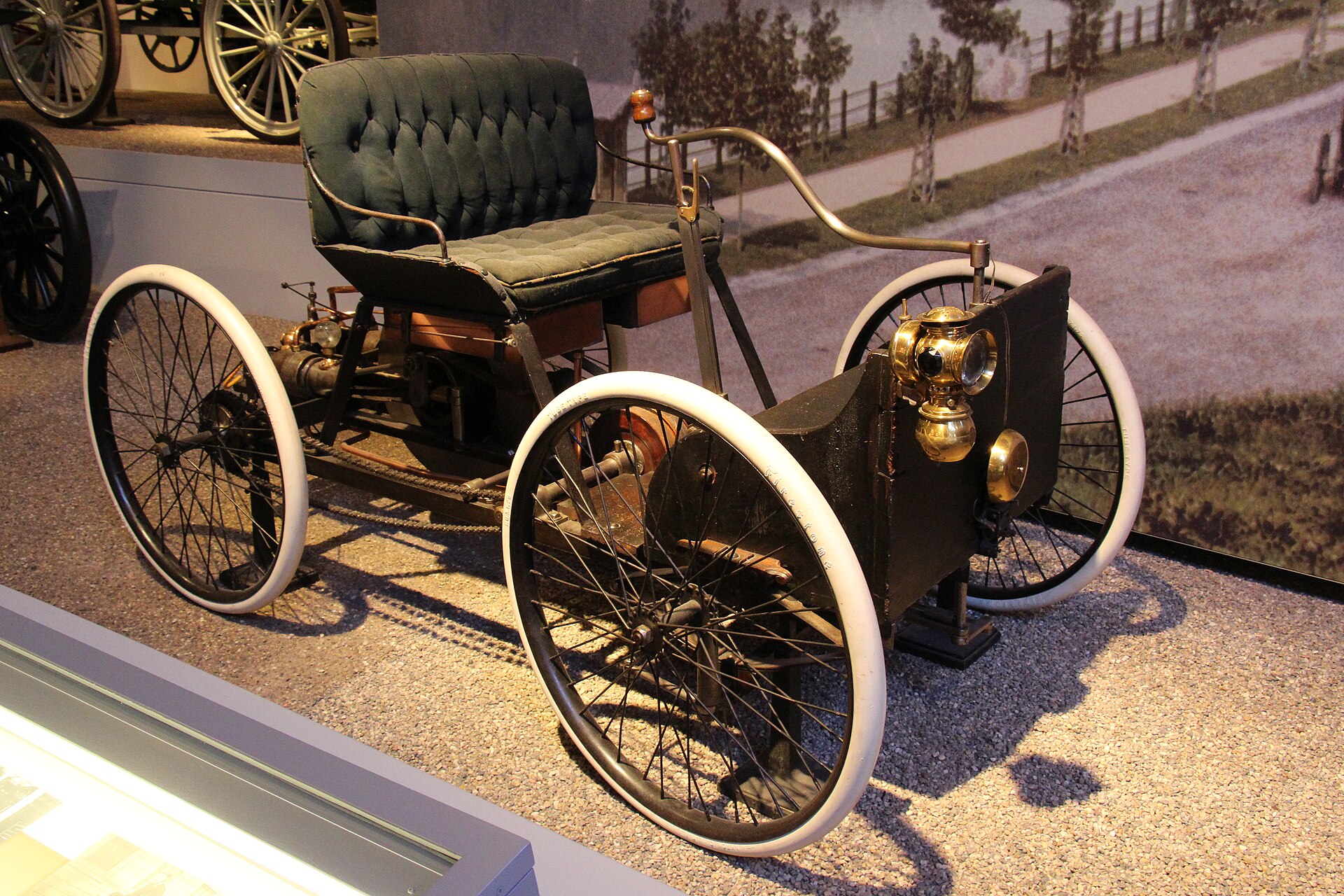
Henry Ford's Quadricycle, his first gasoline-powered automobile, successfully tested on June 4, 1896, in Detroit.
A close-up of the Ford Quadricycle, the pioneering vehicle that launched America's automotive revolution.
On June 4, 1896, Henry Ford completed and successfully tested his first gasoline-powered automobile, the Ford Quadricycle, driving it through the streets of Detroit. The simple machine — four bicycle wheels, a light metal frame, and a 2-cylinder engine — marked the humble beginning of what would become the Ford Motor Company and the democratization of the automobile.
Suffragette Emily Davison disrupts the Epsom Derby
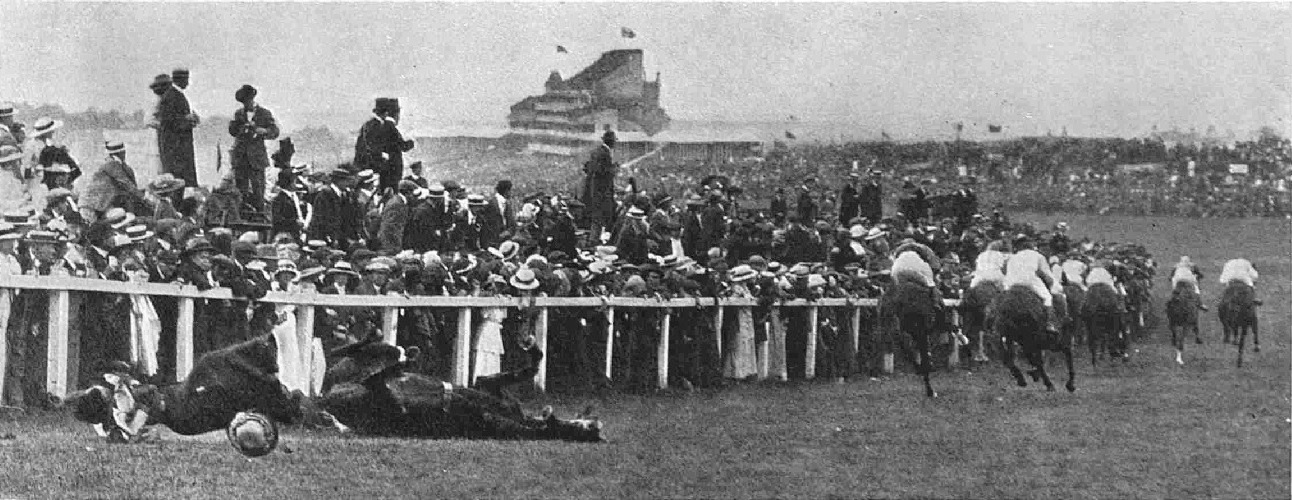
Emily Davison, the suffragette who was fatally injured at the Epsom Derby on June 4, 1913, after stepping onto the track to protest for women's voting rights.
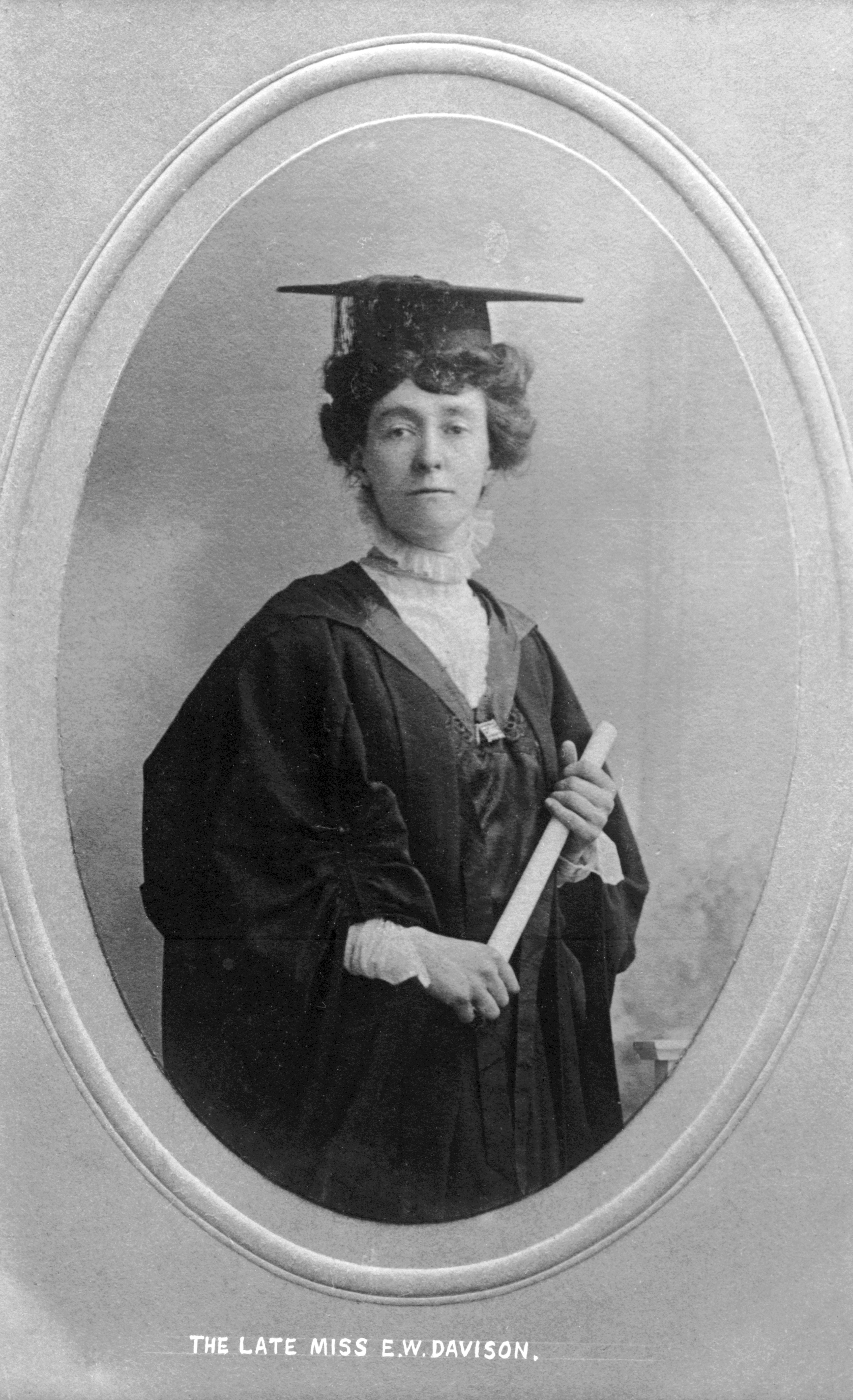
The dramatic moment at the 1913 Epsom Derby when suffragette Emily Davison ran onto the track in front of the King's horse.
On June 4, 1913, British suffragette Emily Davison stepped onto the racecourse during the Epsom Derby and was trampled by King George V's horse, Anmer. She died four days later from her injuries, becoming a martyr for the women's suffrage movement. Her dramatic protest drew global attention to the cause of voting rights for women.
Dunkirk evacuation ends; Churchill delivers We shall fight speech
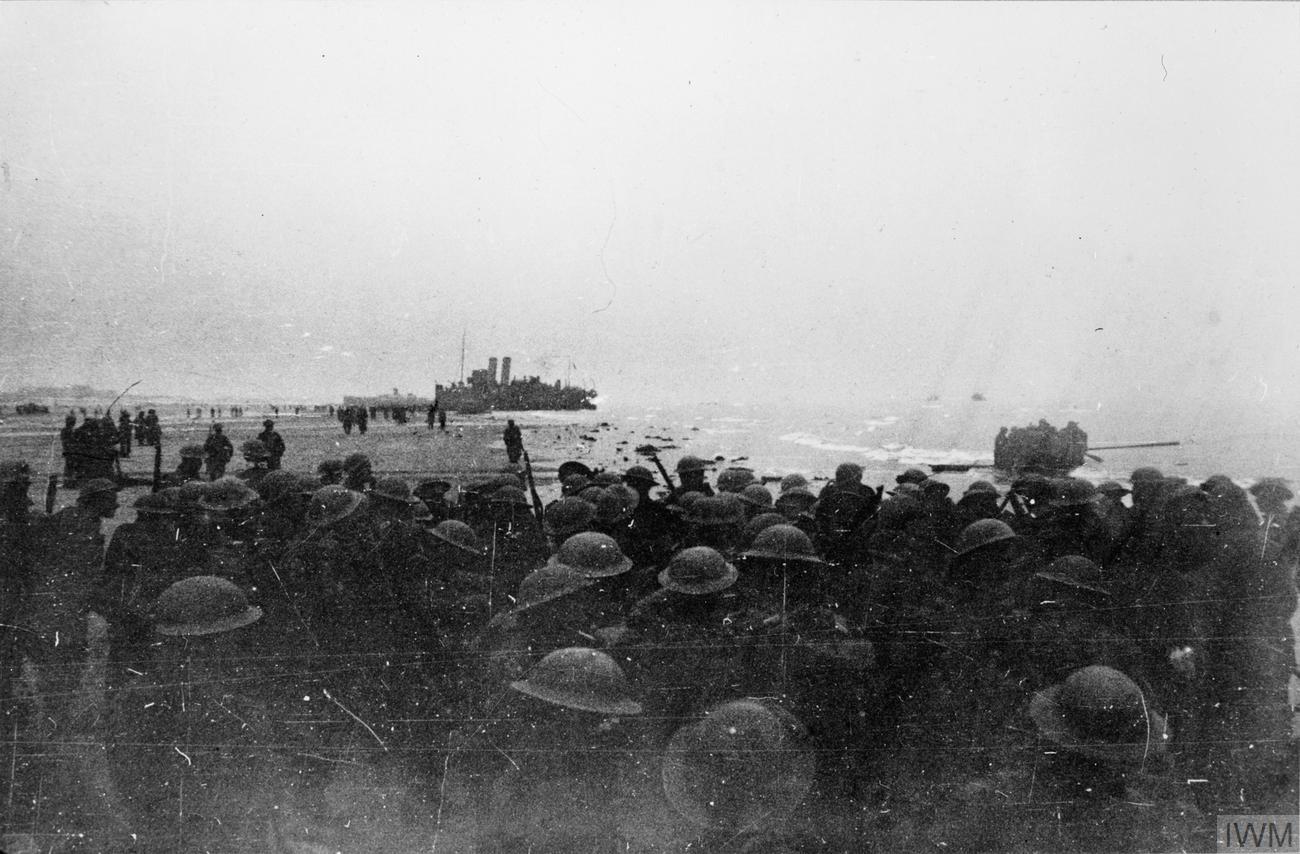
Allied soldiers wading out to rescue ships during the Dunkirk evacuation, June 1940 — 338,000 troops were saved in Operation Dynamo.
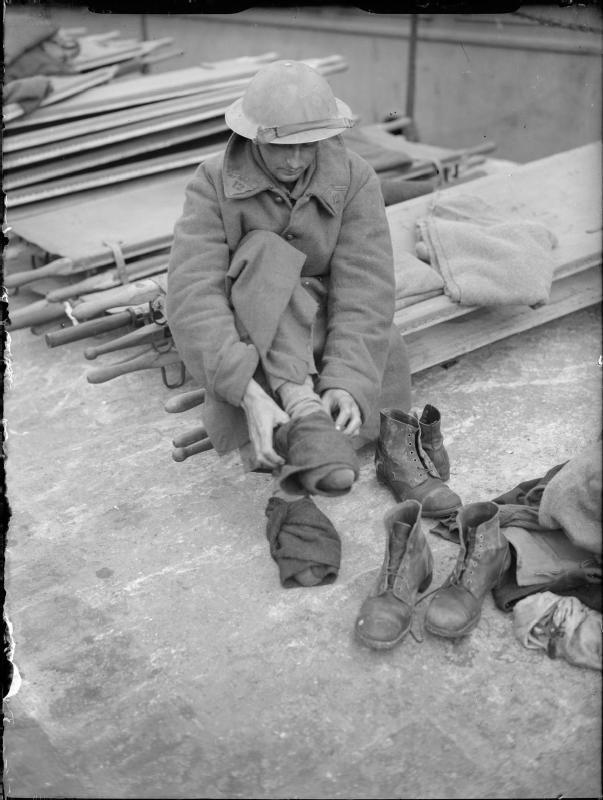
British troops lined up on the beaches of Dunkirk awaiting evacuation, a defining moment of World War II completed on June 4, 1940.
On June 4, 1940, the Dunkirk evacuation — Operation Dynamo — was completed, with over 338,000 Allied soldiers rescued from the beaches of France in one of the most remarkable military retreats in history. That same day, Winston Churchill delivered his famous We shall fight on the beaches speech to the House of Commons, rallying a nation facing its darkest hour.
U.S. Congress passes the 19th Amendment for women's suffrage
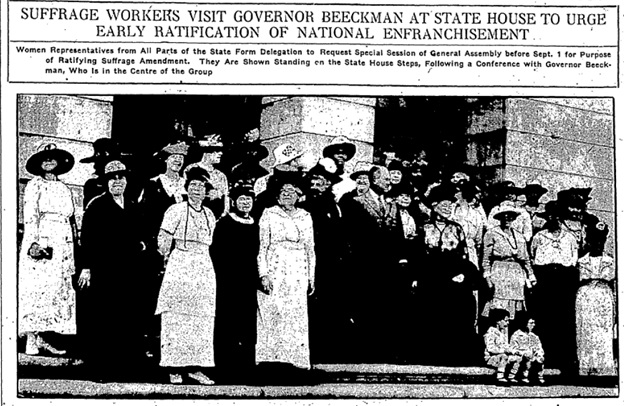
Suffrage workers visiting the Rhode Island governor in July 1919 to urge early ratification of the 19th Amendment, passed by Congress on June 4, 1919.
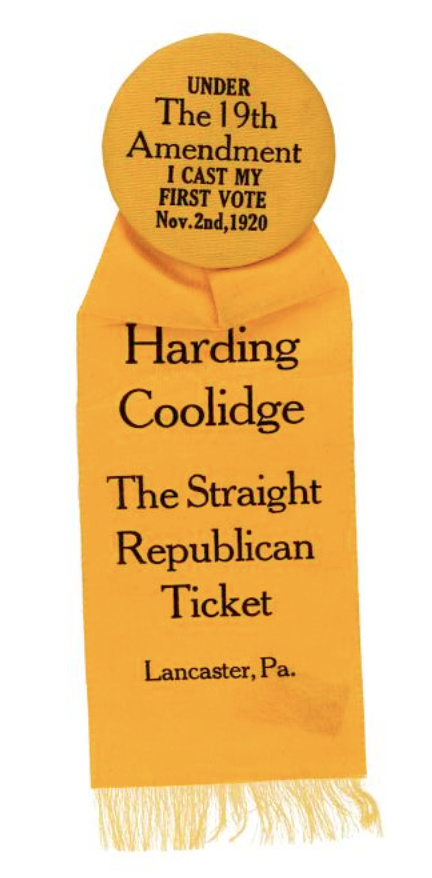
A 1920 voting badge celebrating the 19th Amendment, which gave American women the right to vote after Congress passed it on June 4, 1919.
On June 4, 1919, the United States Congress approved the Nineteenth Amendment to the Constitution, guaranteeing women the right to vote, and sent it to the states for ratification. After a decades-long struggle by suffragists, the amendment was ratified on August 18, 1920, transforming American democracy by enfranchising millions of women.