![[e]Photo Stream](/logo.png)
June 12
5 moments across history
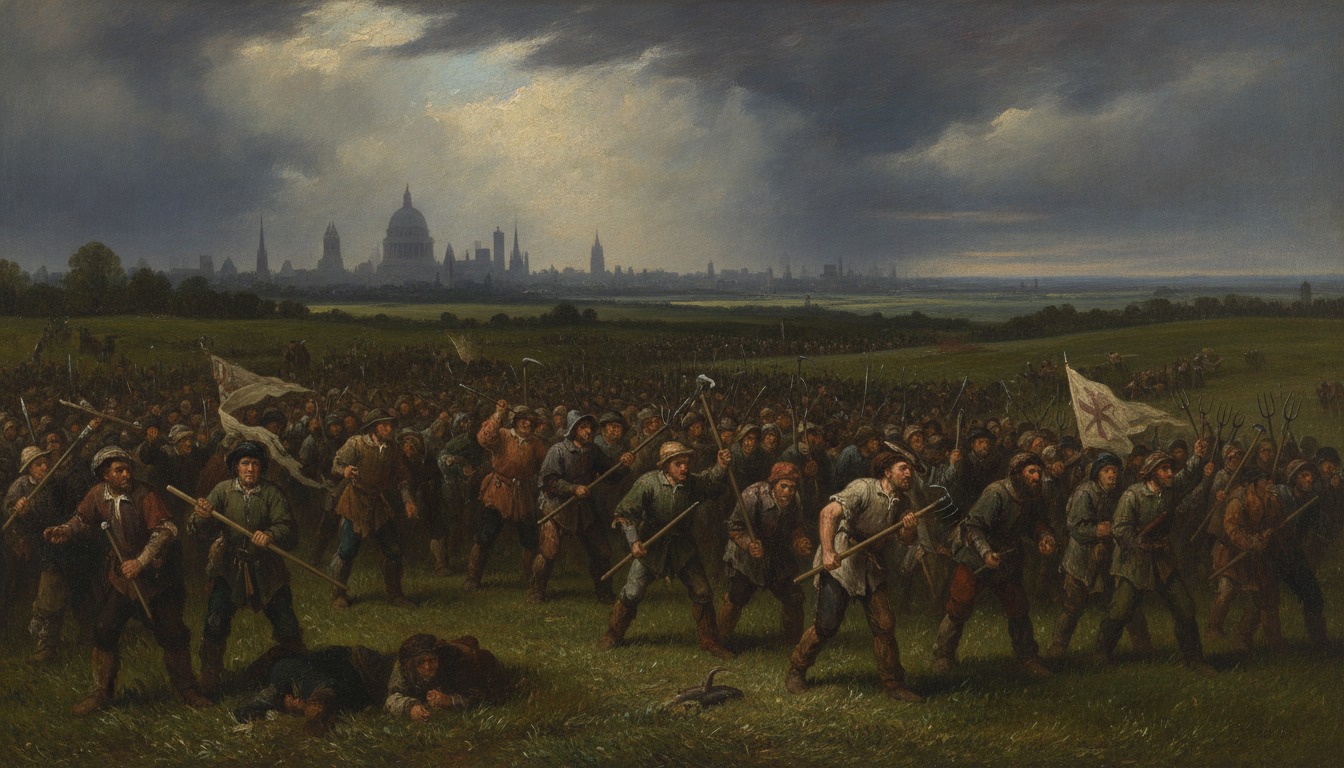
Peasants' Revolt — Rebels Assemble at Blackheath
On June 12, 1381, thousands of rebels participating in the Peasants' Revolt assembled at Blackheath, just outside London, under the leadership of Wat Tyler and the radical preacher John Ball. The uprising, sparked by oppressive poll taxes and serfdom, would see the rebels storm the Tower of London and confront the 14-year-old King Richard II at Smithfield. Though ultimately crushed, the revolt marked a turning point in English social history and the beginning of the end of serfdom.
Rebels gathering at Blackheath, preparing to march on London
Virginia Declaration of Rights Adopted
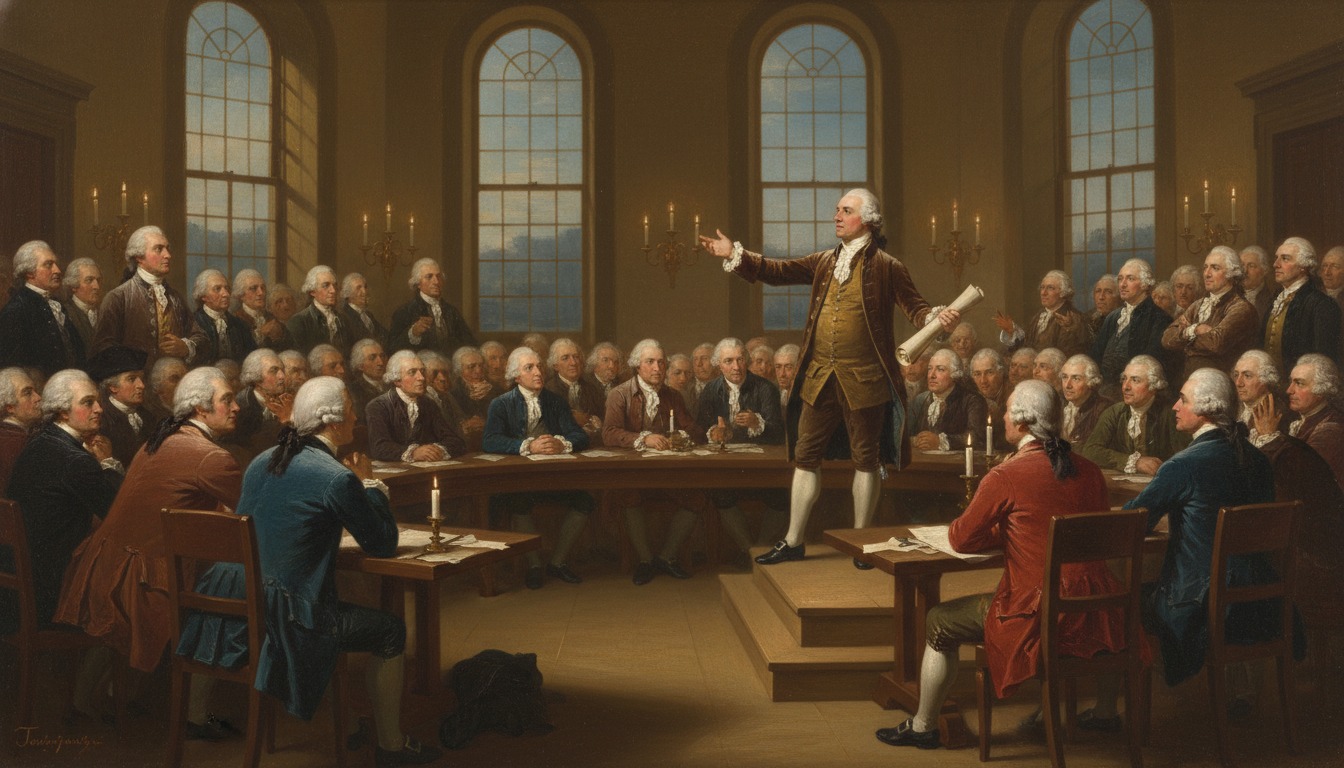
George Mason presenting the Virginia Declaration of Rights to the Convention
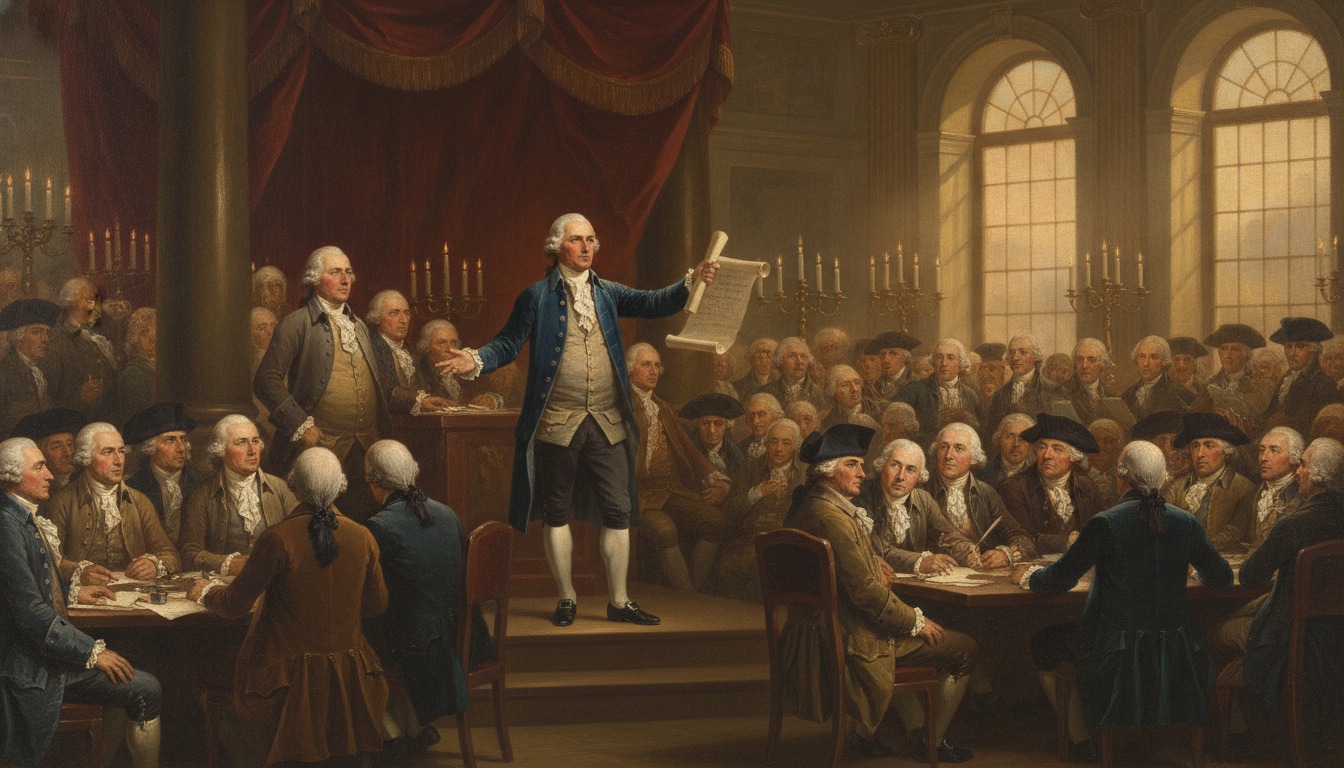
Portrait of George Mason, author of the Virginia Declaration of Rights
On June 12, 1776, the Virginia Convention unanimously adopted the Virginia Declaration of Rights, drafted primarily by George Mason. The document proclaimed inherent rights including freedom of the press, religious tolerance, and the prohibition of excessive bail and cruel punishment. It directly influenced Thomas Jefferson's Declaration of Independence, the U.S. Bill of Rights, and the French Declaration of the Rights of Man — making it one of the foundational documents of modern constitutional liberty.
Anne Frank Receives Her Diary for Her 13th Birthday

Anne Frank's red-checkered diary, open to her first entries
Portrait photograph of Anne Frank at her desk
On June 12, 1942, Anne Frank received a red-and-white checkered autograph book as a gift for her 13th birthday in Amsterdam. She began writing in it immediately, and less than a month later her family went into hiding from the Nazis in the Secret Annex. Over the next two years, her diary became one of the most powerful and widely read personal accounts of the Holocaust, published posthumously as The Diary of a Young Girl and translated into more than 70 languages.
Medgar Evers Assassinated in Jackson, Mississippi
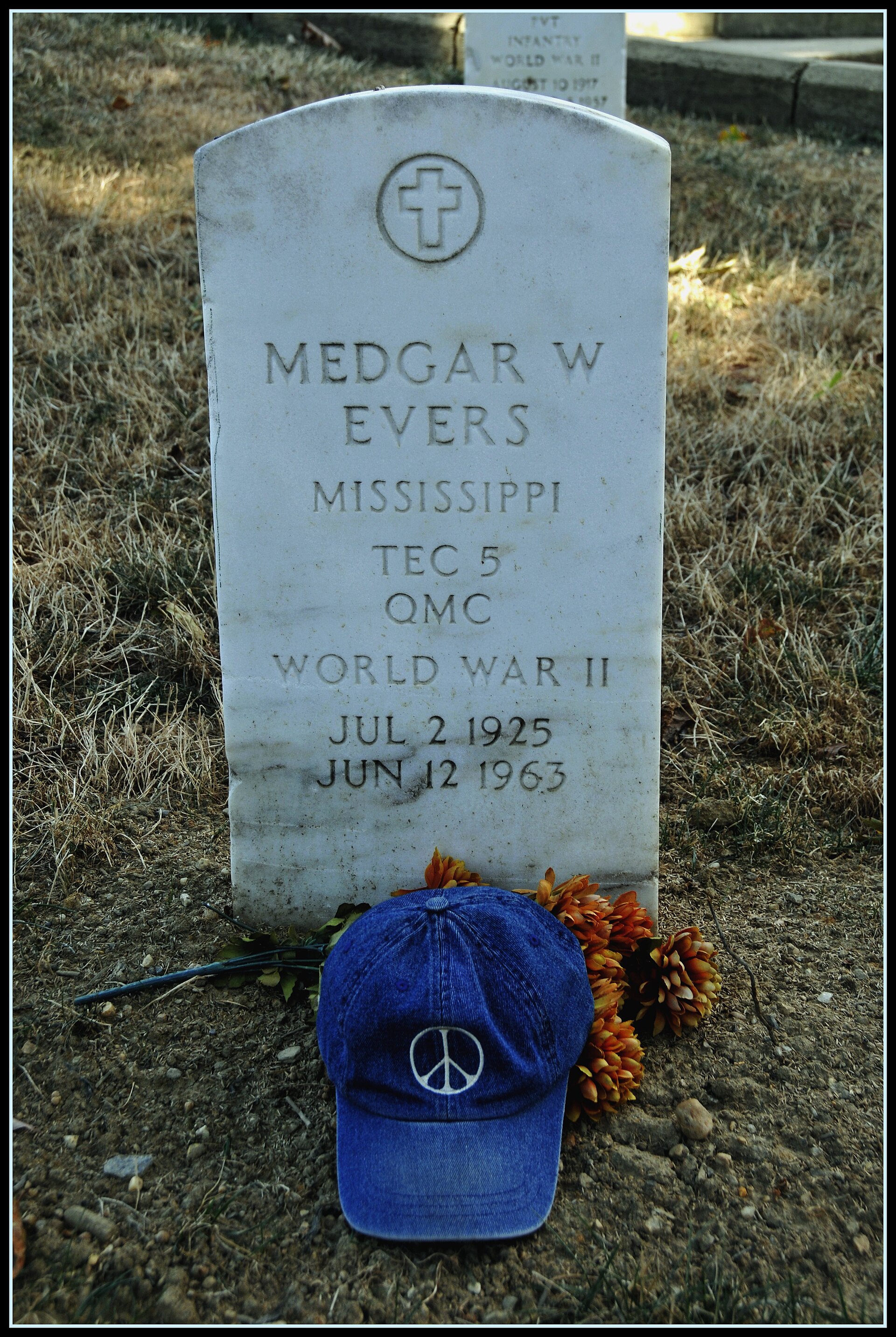
Medgar Evers lying fatally wounded in his driveway
Portrait of Medgar Evers, NAACP field secretary and civil rights leader
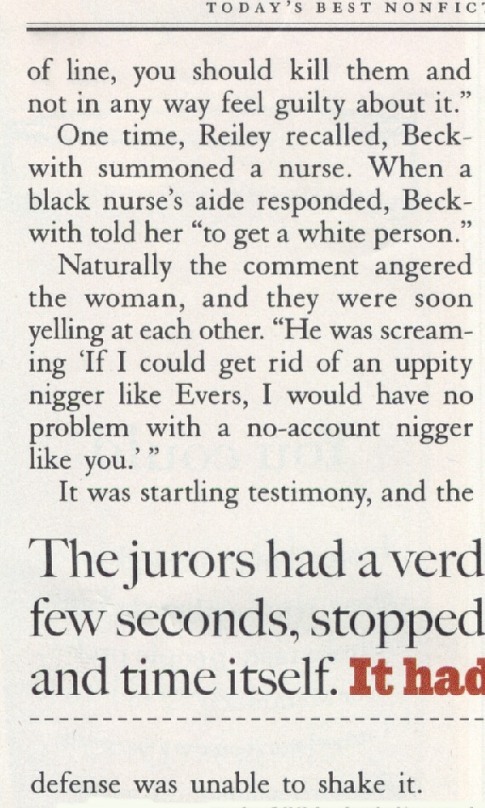
On June 12, 1963, NAACP field secretary Medgar Evers was shot in the back by Ku Klux Klan member Byron De La Beckwith as he returned home in Jackson, Mississippi. Evers had been leading voter registration drives, economic boycotts, and investigations into the murder of Emmett Till. His assassination — coming just hours after President Kennedy's civil rights address — galvanized the nation. It took 31 years and three trials before Beckwith was finally convicted in 1994.
Reagan Challenges Gorbachev — 'Tear Down This Wall'
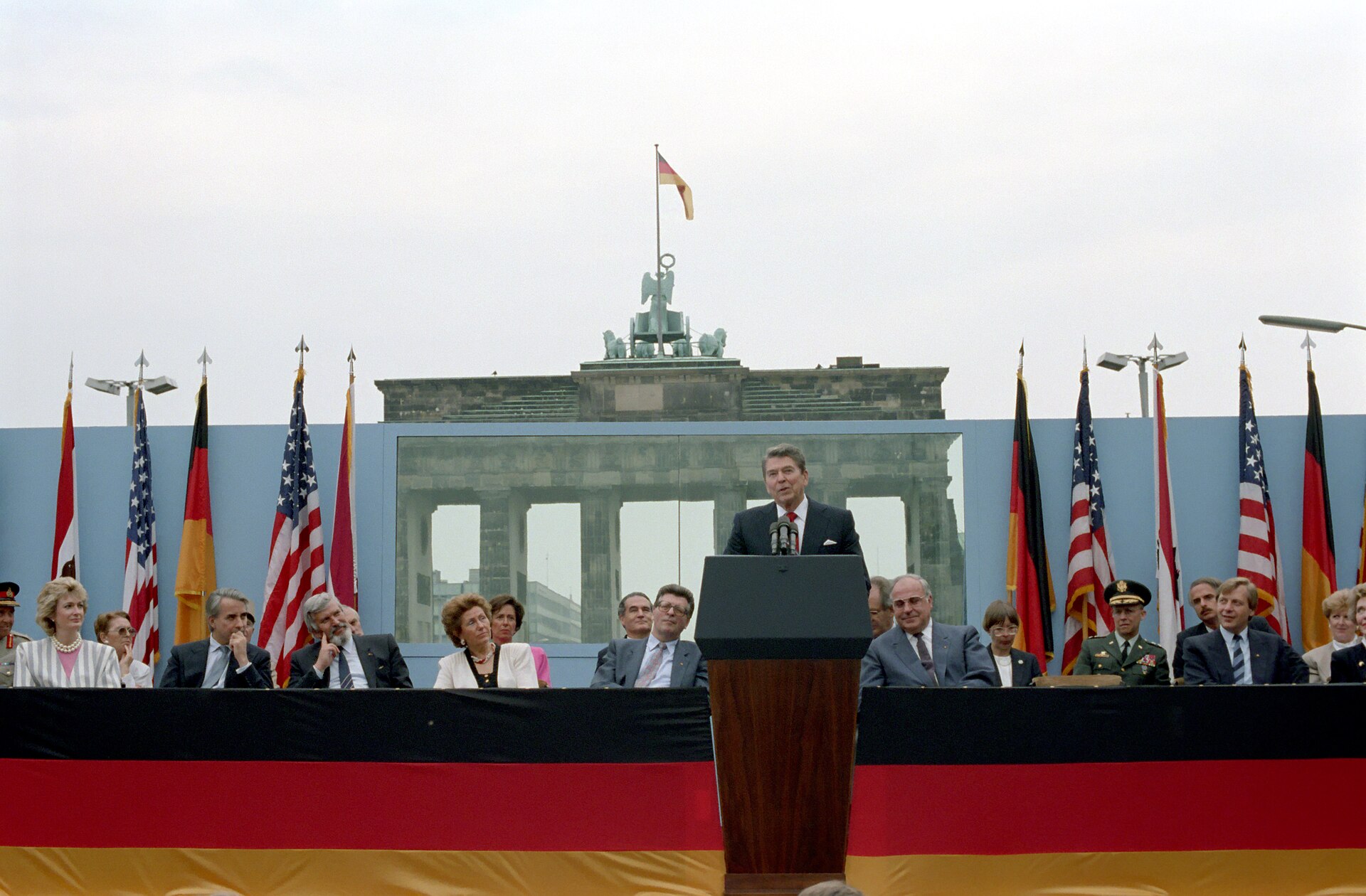
Reagan at the Brandenburg Gate, addressing the crowd with the Wall behind him
Close-up of Ronald Reagan delivering his historic Berlin address
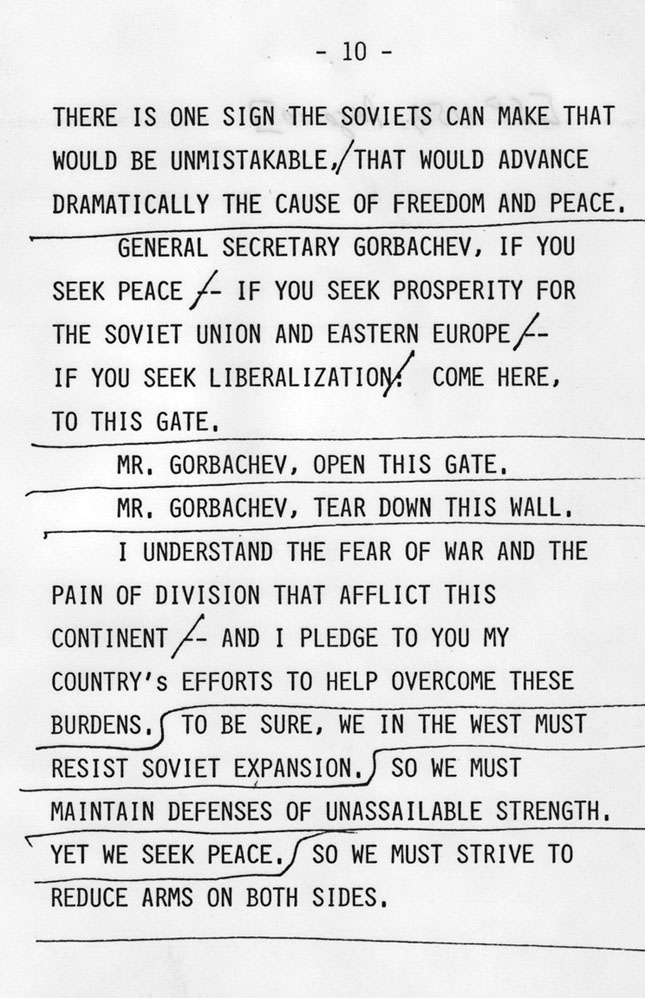
On June 12, 1987, U.S. President Ronald Reagan stood at the Brandenburg Gate in West Berlin and delivered one of the most famous lines of the Cold War: 'Mr. Gorbachev, tear down this wall!' The speech, written by Peter Robinson, was opposed by the State Department and National Security Council as too provocative — but Reagan insisted. Twenty-nine months later, the Berlin Wall fell, and Germany was reunified within a year.