![[e]Photo Stream](/logo.png)
June 20
5 moments across history
German Bundestag Votes to Move Capital from Bonn to Berlin
On June 20, 1991, the German Bundestag voted by a narrow margin of 338 to 320 to relocate Germany's national capital from Bonn to Berlin, formally reunifying the seat of government following the country's reunification in 1990. This decision mattered because it symbolized the political and cultural restoration of Berlin as Germany's primary center of power, overcoming decades of division caused by the Cold War and the establishment of West Germany's provisional capital in Bonn. The broader historical context includes the fall of the Berlin Wall in 1989, the subsequent reunification of East and West Germany, and the effort to forge a unified national identity by reuniting the government with the historic capital of the former German Empire and Nazi era.
German Bundestag Votes to Move Capital from Bonn to Berlin
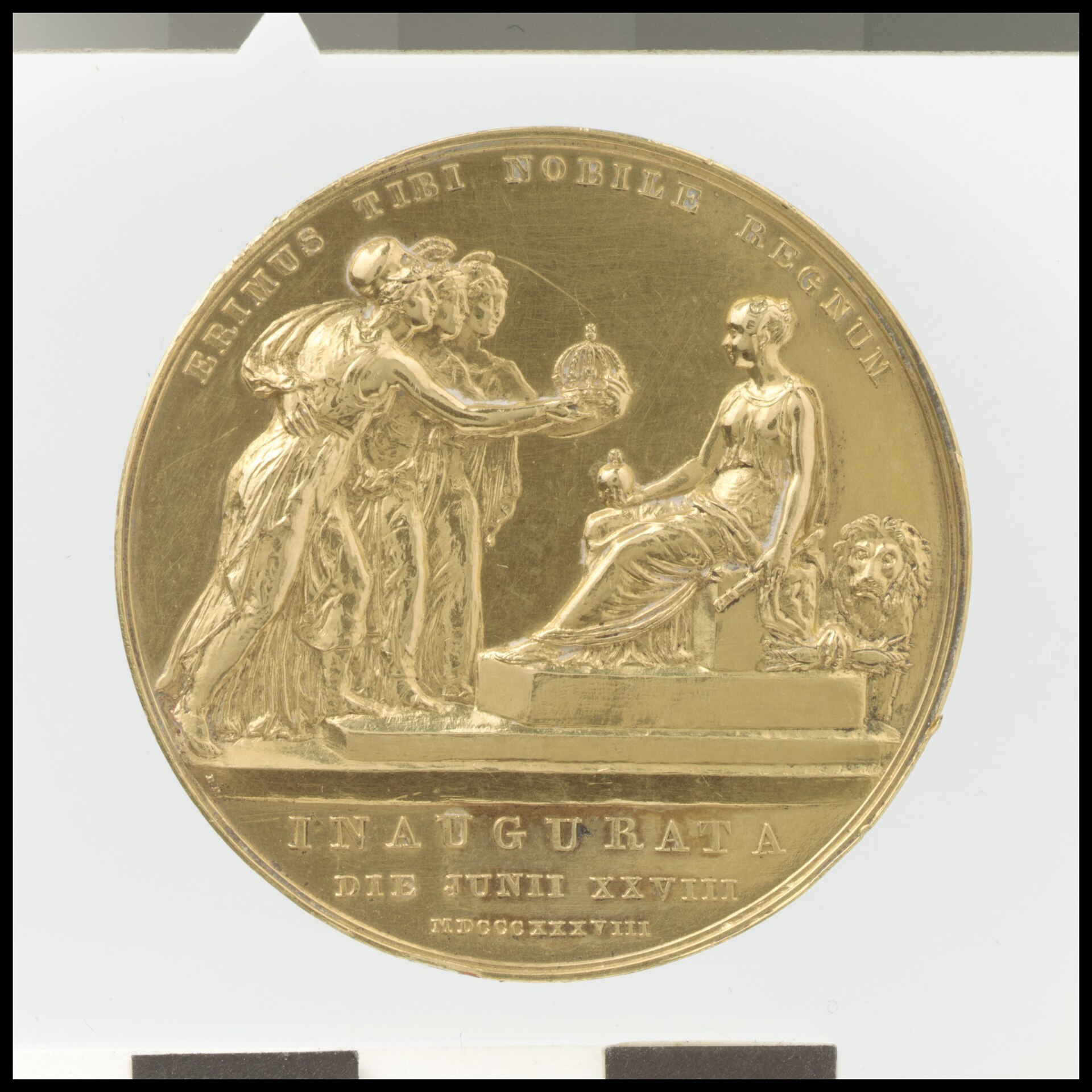
Jaws (1975)
Jaws (1975)

Released on June 20, 1975, the film depicted a great white shark terrorizing a beach town, reflecting 1970s anxieties about nature and societal vulnerability. Its wide release and massive marketing campaign set a template for future event-driven films, cementing Spielberg's career and shifting studio focus toward high-concept blockbusters.
On June 20, 1975, Steven Spielberg's thriller "Jaws" was released, depicting a great white shark terrorizing a beach town. It mattered because it redefined the film industry by pioneering the summer blockbuster model, with its wide release and massive marketing campaign becoming a template for future Hollywood hits. Broadly, it reflected 1970s anxieties about nature and societal vulnerability, while its record-breaking box office success cemented Spielberg's career and shifted studio focus toward high-concept, event-driven films.
Muhammad Ali Convicted for Draft Evasion
Muhammad Ali Convicted for Draft Evasion

Ali’s conviction, based on his Muslim faith and opposition to the Vietnam War, symbolized national divides over war and racial injustice; the Supreme Court overturned it in 1971.
On June 20, 1967, Muhammad Ali was convicted in Houston for refusing induction into the U.S. military, citing his religious beliefs as a Muslim and opposition to the Vietnam War. The conviction stripped Ali of his heavyweight title and boxing license, symbolizing the deep national divide over the war and racial injustice during the 1960s. His case, which reached the Supreme Court and was overturned in 1971, highlighted tensions between civil liberties, conscientious objection, and the government’s power to compel military service.
Battle of the Philippine Sea (“Marianas Turkey Shoot”)
Battle of the Philippine Sea (“Marianas Turkey Shoot”)

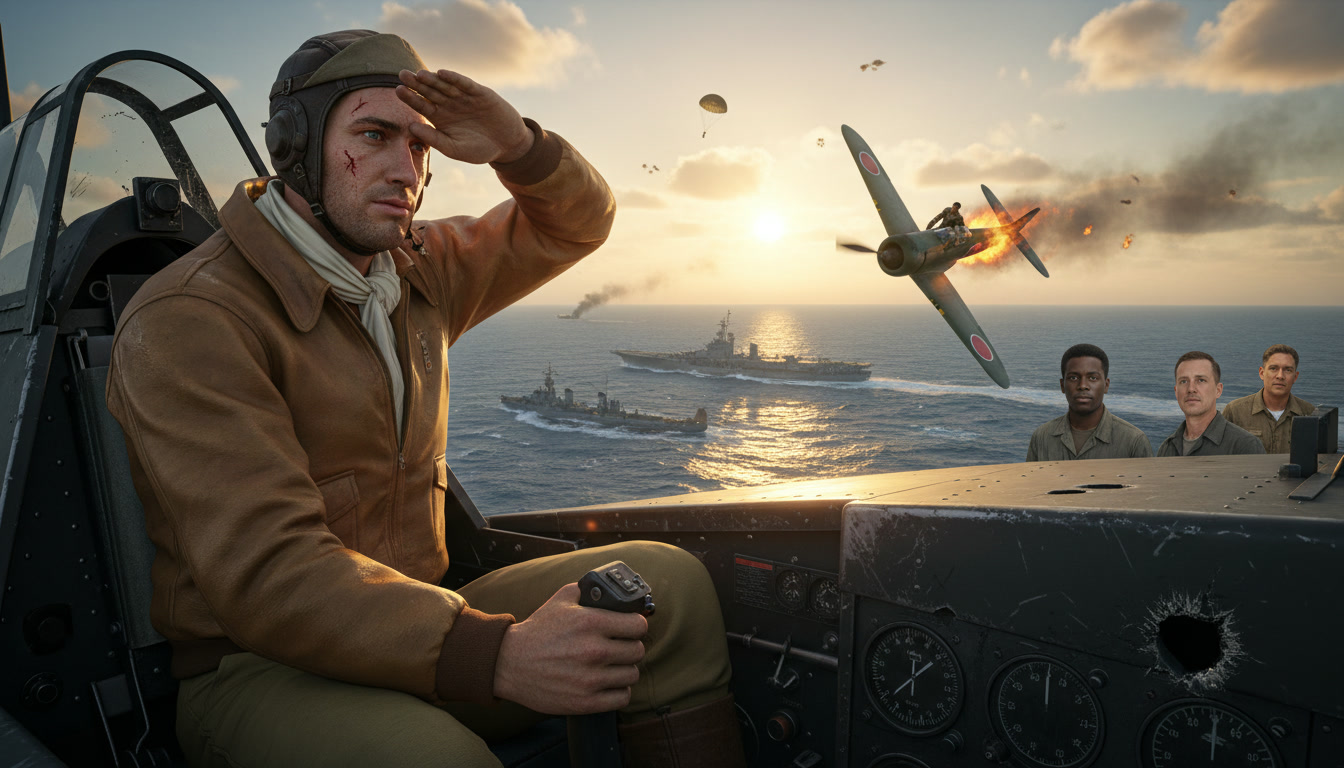
On June 19–20, 1944, U.S. carrier-based fighters and anti-aircraft fire achieved a decisive victory over Japan in the Battle of the Philippine Sea. The lopsided air combat, dubbed the “Marianas Turkey Shoot,” eliminated Japan’s remaining naval air strength, allowed the U.S. to establish airfields for bombing the Japanese home islands, and marked a turning point demonstrating American industrial and tactical superiority in the Pacific War.
On June 19–20, 1944, U.S. carrier-based fighters and anti-aircraft fire destroyed over 300 Japanese planes and sank two carriers in the Battle of the Philippine Sea, with the lopsided air combat dubbed the "Marianas Turkey Shoot." This victory eliminated Japan’s remaining naval air power and secured the Marianas, allowing the U.S. to establish air bases for B-29 bombing raids on the Japanese home islands. The battle marked a turning point in the Pacific War, demonstrating American industrial and tactical superiority and breaking Japan’s ability to conduct large-scale carrier operations.
Detroit Race Riot of 1943
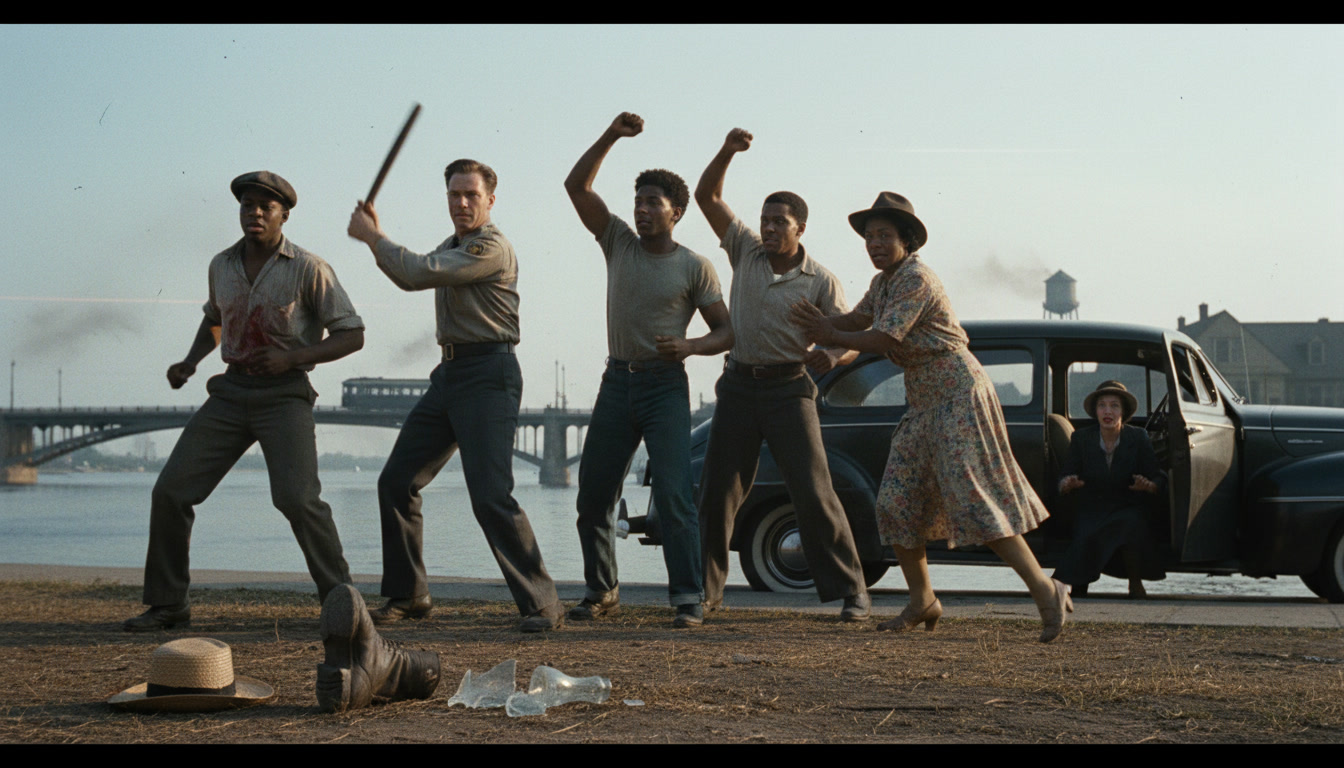
Detroit Race Riot of 1943

The riot exposed the failure of local police to protect Black residents and forced President Roosevelt to send federal troops, highlighting explosive racial tensions in wartime industrial cities amid the Great Migration and WWII.
OnJune 20, 1943, a fight at Belle Isle Park triggered a race riot in Detroit that lasted three days, leaving 34 people dead—mostly African Americans—and causing widespread property damage. The riot mattered because it forced President Roosevelt to send federal troops to restore order, exposing the failure of local police to protect Black residents and highlighting the explosive racial tensions in wartime industrial cities. This event occurred amid the Great Migration and World War II, as competition for housing and jobs in a segregated city fueled violence, foreshadowing the larger civil rights struggles of the 1950s and 1960s.