![[e]Photo Stream](/logo.png)
June 18
5 moments across history
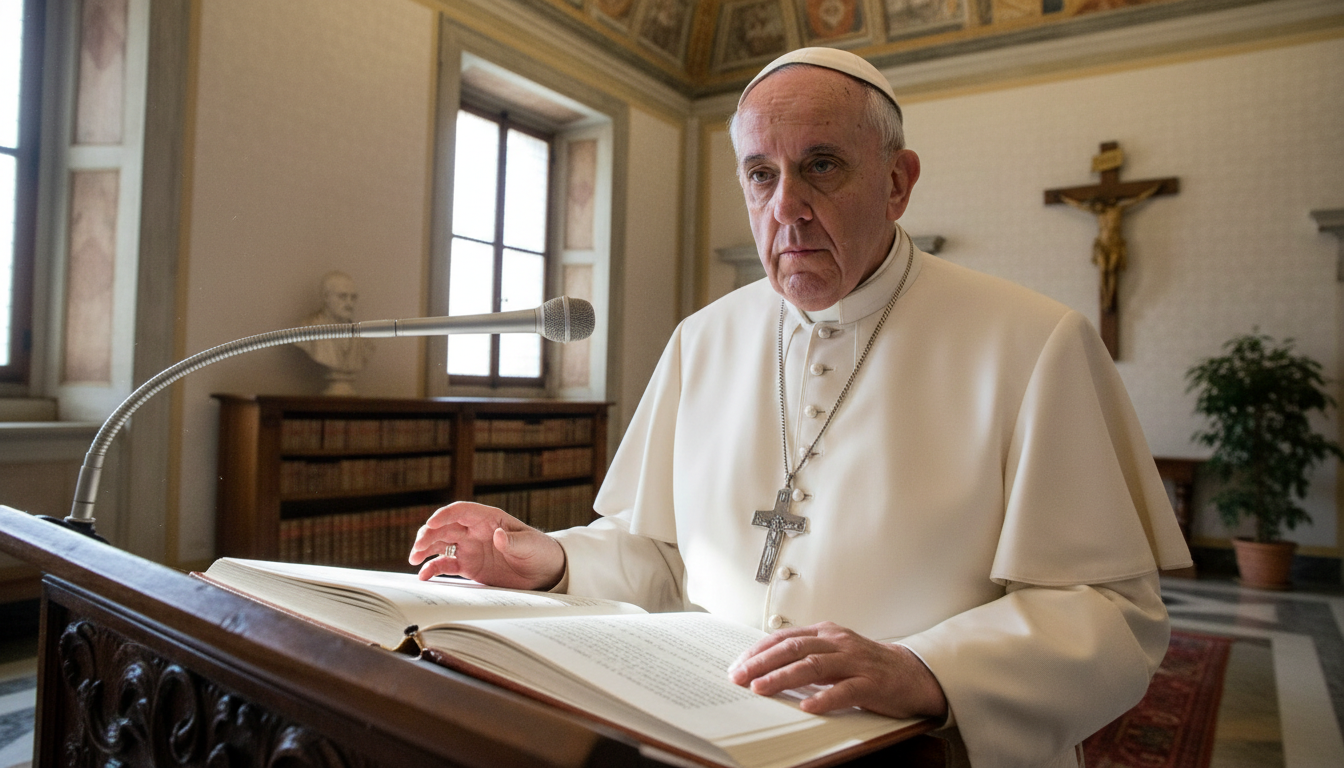
Pope Francis Releases “Laudato Si’” on Climate and Ecology
On June 18, 2015, Pope Francis released "Laudato Si'", an encyclical calling for urgent global action on climate change and ecological stewardship. The document mattered because it marked the first time a pope dedicated an entire encyclical to the environment, elevating environmental justice as a core moral issue for the world's 1.2 billion Catholics. Broader historical context includes the 2015 United Nations Climate Change Conference (COP21) later that year, where the Paris Agreement was adopted, and the encyclical helped frame climate action as a moral imperative.
Pope Francis Releases “Laudato Si’” on Climate and Ecology
NASA Launches Lunar Reconnaissance Orbiter and LCROSS

NASA Launches Lunar Reconnaissance Orbiter and LCROSS

The launch aboard an Atlas V rocket marked the first U.S. lunar mission in over a decade, ending a post-Apollo lull. LRO mapped the Moon in high detail, while LCROSS impacted a shadowed crater, confirming water ice—a key resource for future exploration—and laying groundwork for the Artemis program.
On June 18, 2009, NASA launched the Lunar Reconnaissance Orbiter (LRO) alongside the LCROSS mission aboard an Atlas V rocket, marking the first U.S. lunar mission in over a decade. The LRO mapped the Moon’s surface in high detail, while LCROSS intentionally impacted a shadowed crater, confirming the presence of water ice—a critical resource for future exploration. This event revived lunar science after a post-Apollo lull, laying groundwork for the Artemis program’s goal of returning humans to the Moon and establishing sustainable presence.
Sally Ride Becomes First American Woman in Space

Sally Ride Becomes First American Woman in Space

This milestone broke a gender barrier in the U.S. space program, inspiring women in science and engineering amid growing awareness of gender inequality. It followed the Soviet Union’s 1963 launch of Valentina Tereshkova and occurred during the Cold War space race, with NASA’s inclusion of women reflecting broader societal shifts toward equal opportunity.
On June 18, 1983, Sally Ride launched aboard Space Shuttle Challenger (STS-7), becoming the first American woman in space. This milestone mattered because it broke a gender barrier in the U.S. space program, inspiring women to pursue careers in science and engineering during a period of growing awareness of gender inequality. Historically, it followed the Soviet Union’s earlier launch of Valentina Tereshkova in 1963, and occurred amid the Cold War space race, where NASA’s inclusion of women reflected broader societal shifts toward equal opportunity.
SALT II Treaty Signed by Carter and Brezhnev
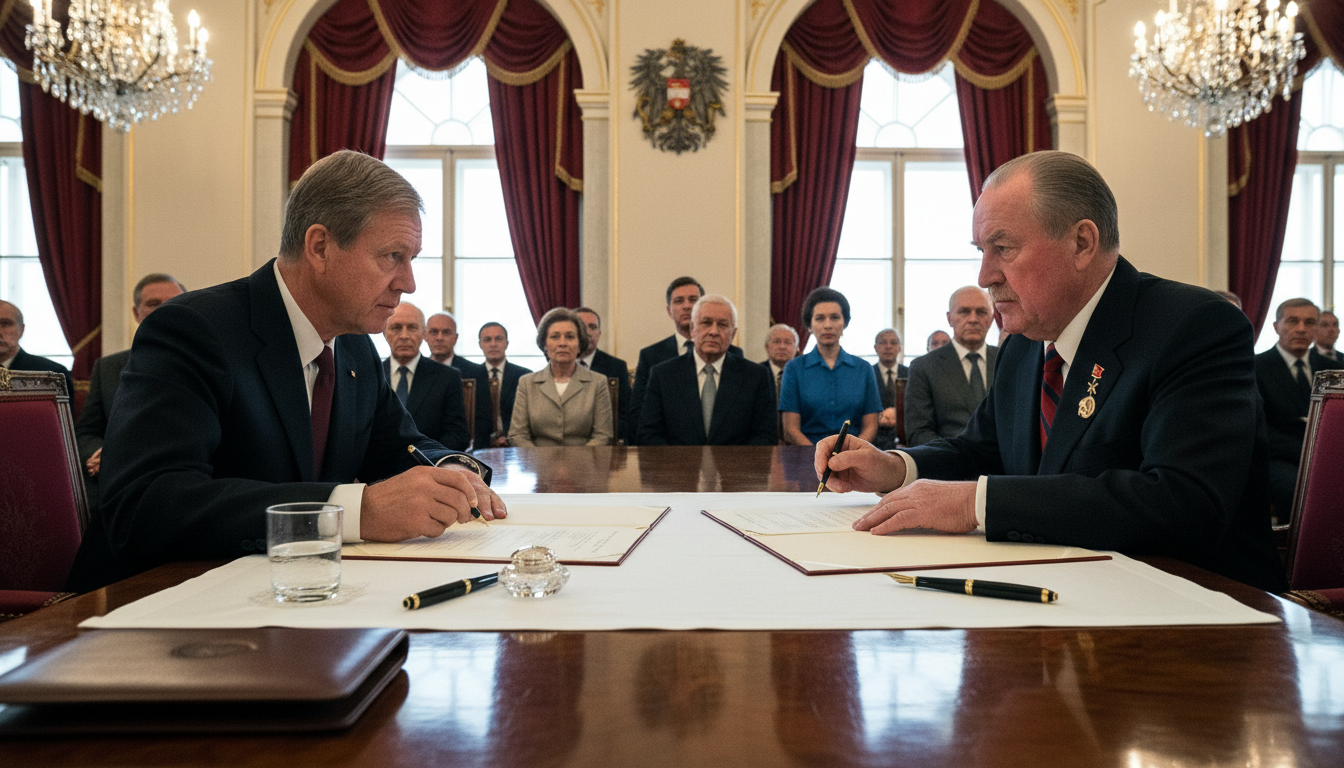
SALT II Treaty Signed by Carter and Brezhnev

Historical interpretation generated from the script output.
On June 18, 1979, U.S. President Jimmy Carter and Soviet leader Leonid Brezhnev signed the SALT II treaty in Vienna, which set binding limits on each nation's strategic nuclear launchers and banned new missile systems. The agreement mattered as a major step in Cold War arms control, building on the 1972 SALT I accord, though it was never formally ratified due to the 1979 Soviet invasion of Afghanistan. Broader historical context places SALT II within the era of détente, a period of eased tensions between the superpowers, yet its collapse contributed to the renewed hostility of the early 1980s.
Egypt Becomes a Republic

Egypt Becomes a Republic

The event ended the rule of King Farouk, who had been deposed the previous year, and established a new political order. It marked a shift toward Arab nationalism and anti-colonialism, setting the stage for Nasser’s later presidency and the 1956 Suez Crisis.
On June 18, 1953, the Egyptian monarchy was formally abolished, and Gamal Abdel Nasser declared Egypt a republic, culminating the 1952 revolution led by the Free Officers Movement. This ended the rule of King Farouk, who had been deposed the previous year, and established a new political order. The event mattered as it marked the end of Egypt’s monarchy, a shift toward Arab nationalism and anti-colonialism, and set the stage for Nasser’s later presidency and the 1956 Suez Crisis.