![[e]Photo Stream](/logo.png)
June 17
5 moments across history
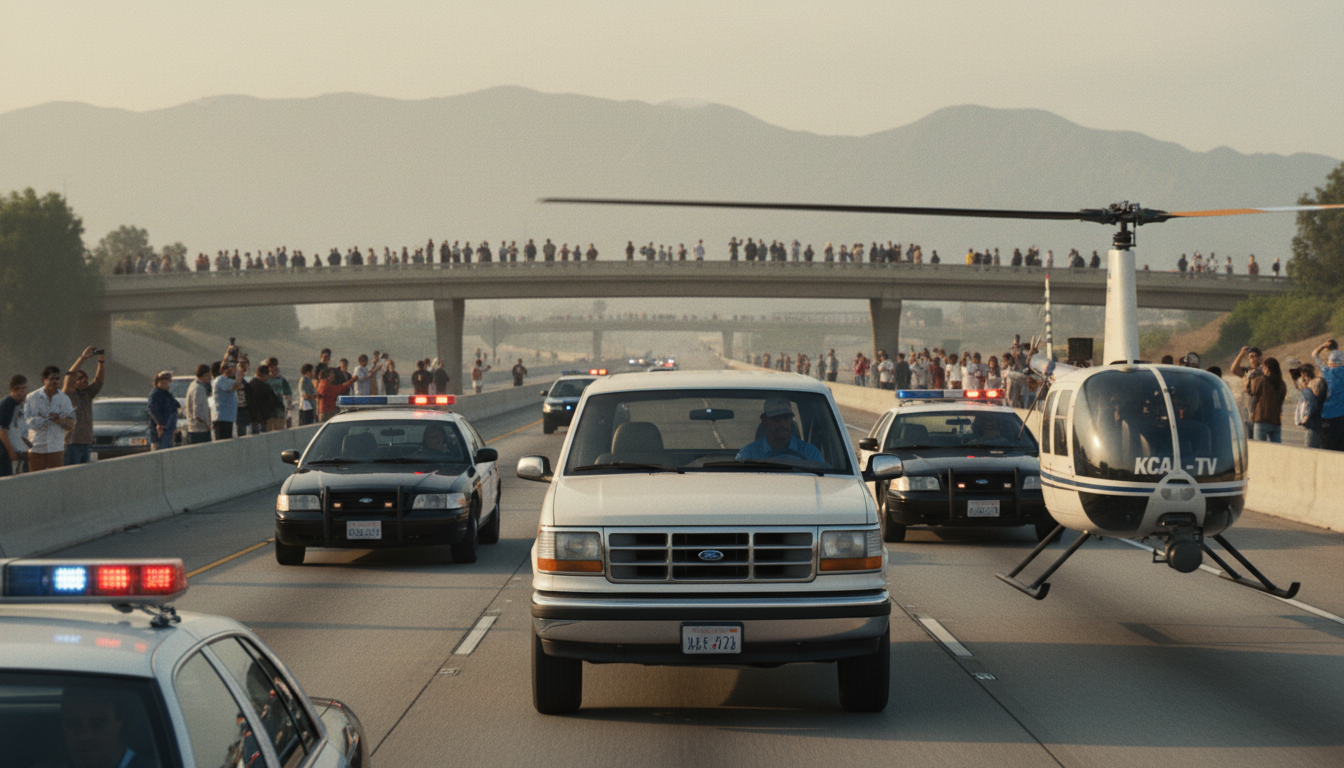
O.J. Simpson Car Chase
On June 17, 1994, O.J. Simpson, charged with the murders of his ex-wife Nicole Brown Simpson and Ron Goldman, fled in a white Ford Bronco leading police on a low-speed chase across Los Angeles freeways, watched live by an estimated 95 million viewers. The event mattered because it transformed a criminal case into a nationwide media spectacle, foreshadowing the intense public scrutiny and racial divisions that would define the subsequent trial. Broader historical context includes rising cable news and tabloid journalism in the 1990s, as well as deep-seated tensions over race and celebrity justice in America.
O.J. Simpson Car Chase
Watergate Break-In Anniversary
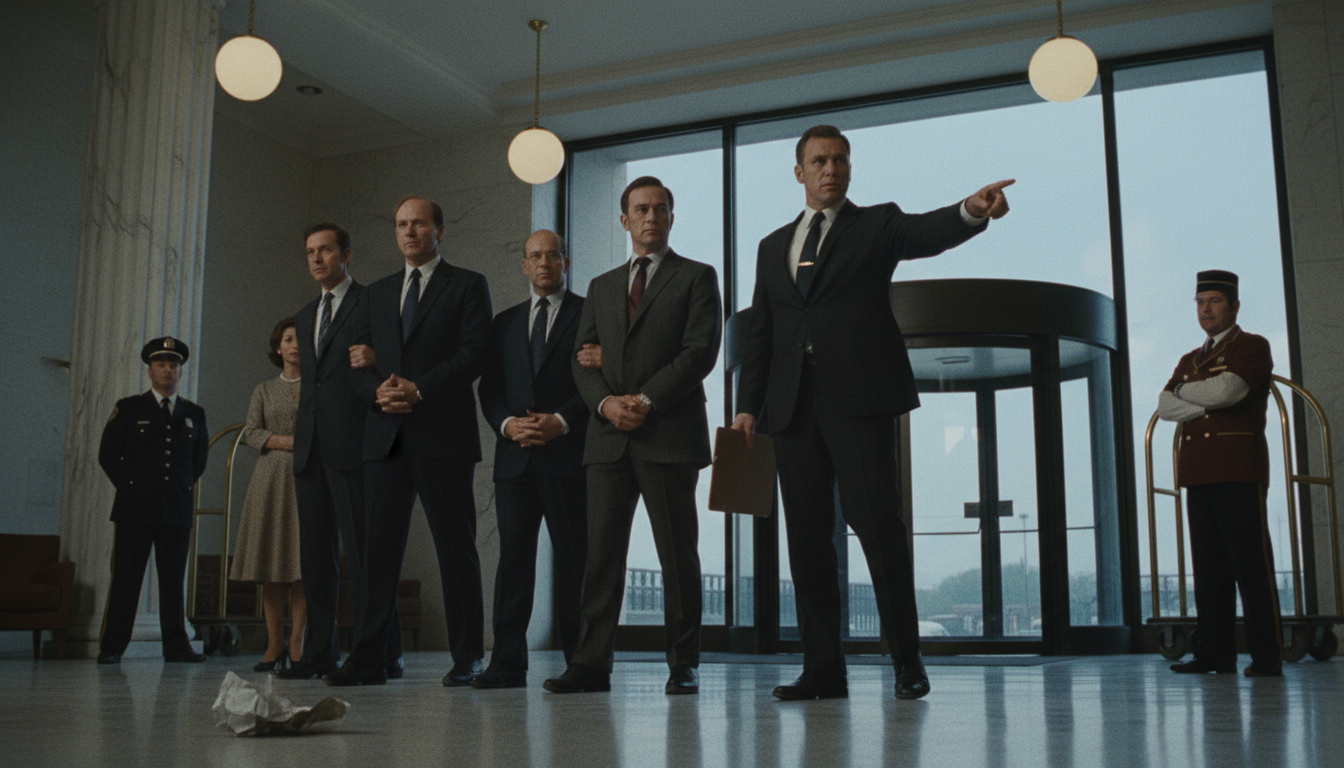
Watergate Break-In Anniversary
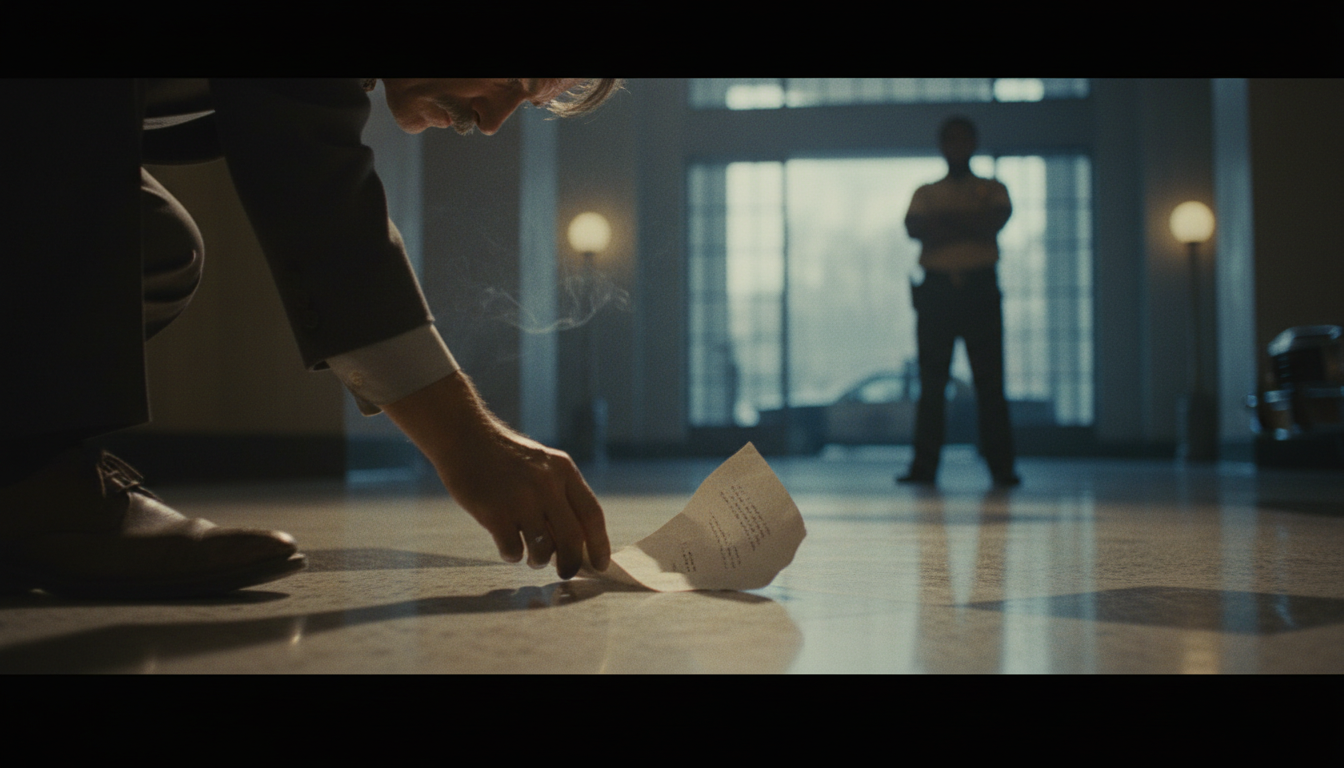
On June 17, 1972, burglars linked to Nixon’s reelection campaign were caught at the Democratic National Committee offices. The subsequent cover-up and investigation forced Nixon to resign in 1974—the only U.S. president to do so—and prompted reforms in campaign finance, transparency, and press protections.
On June 17, 1972, five men were arrested for breaking into the Democratic National Committee headquarters at the Watergate complex in Washington, D.C., an act later linked to President Richard Nixon’s reelection campaign. The ensuing scandal revealed a pattern of political espionage and cover-ups, leading to Nixon’s resignation in 1974—the only U.S. president to do so. This event underscored the fragility of democratic institutions and prompted lasting reforms in campaign finance, government transparency, and press protections.
East German Uprising of 1953
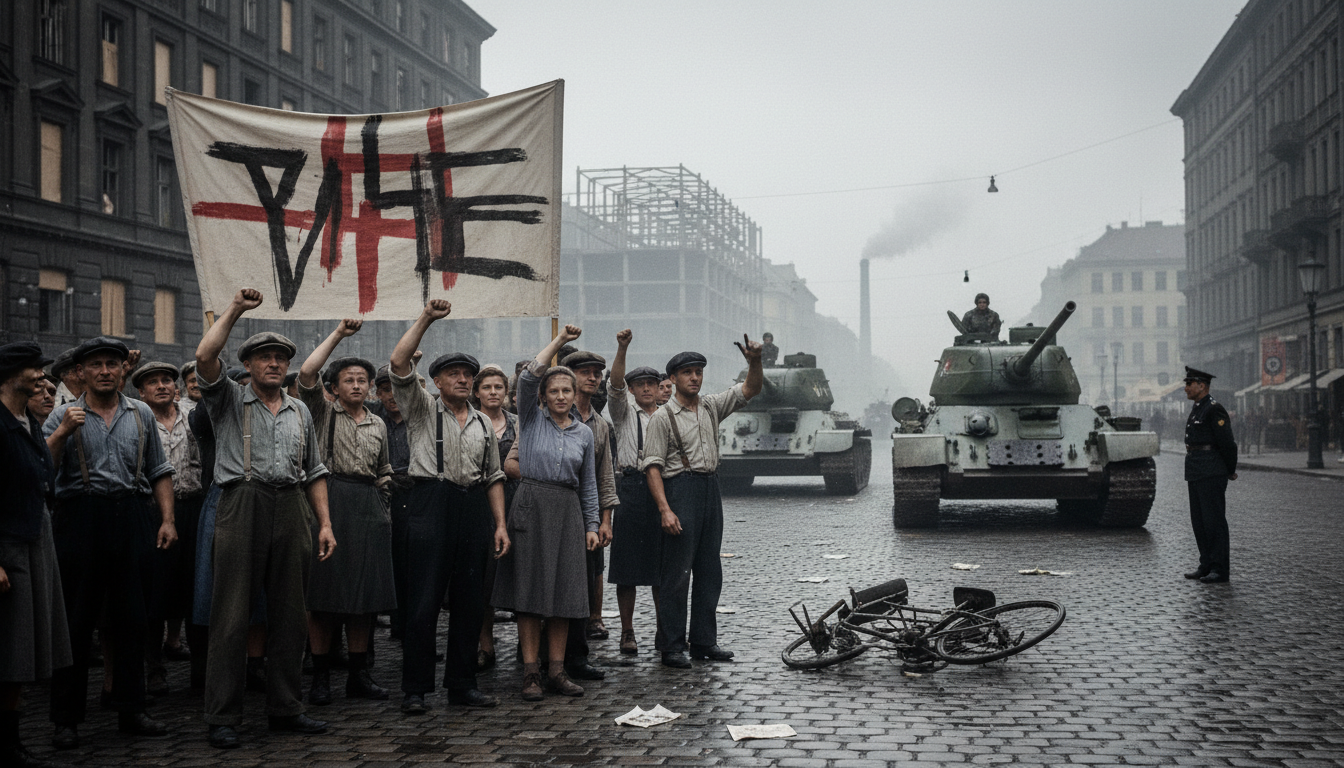
East German Uprising of 1953
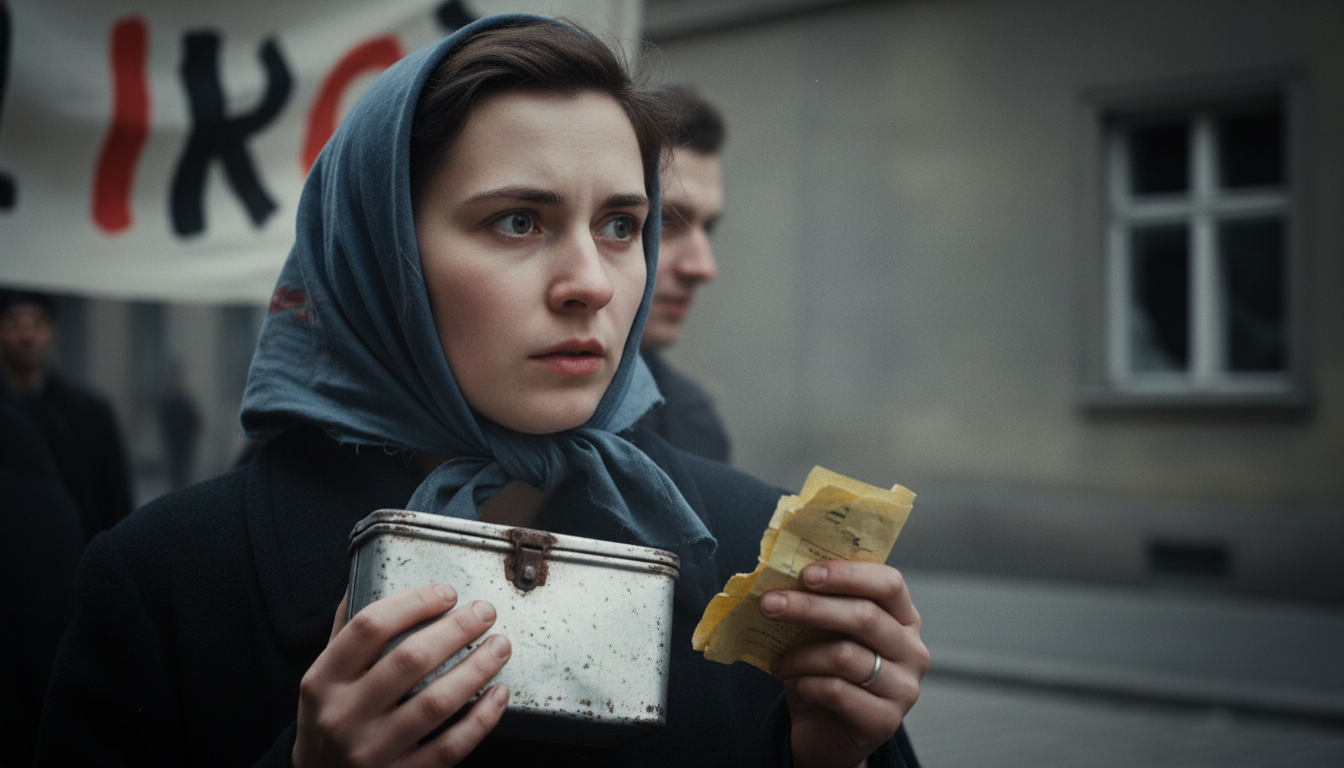
Occurred during the early Cold War, just months after Stalin’s death, as part of a wave of unrest in Soviet satellite states; the crackdown demonstrated the fragility of Soviet control, led to reaffirmed hardline policies, and foreshadowed later uprisings in Hungary and Poland.
On June 17, 1953, East German workers began a strike in East Berlin that escalated into a nationwide uprising, demanding political reforms and lower production quotas, which was crushed by Soviet tanks and troops. The event mattered as it demonstrated the fragility of Soviet control in Eastern Europe and prompted the Soviet Union to reaffirm hardline policies, while also leading to limited economic concessions. Historically, it occurred during the early Cold War, just months after Stalin’s death, as part of a wave of unrest in Soviet satellite states that foreshadowed later uprisings in Hungary and Poland.
Iceland Declares Independence
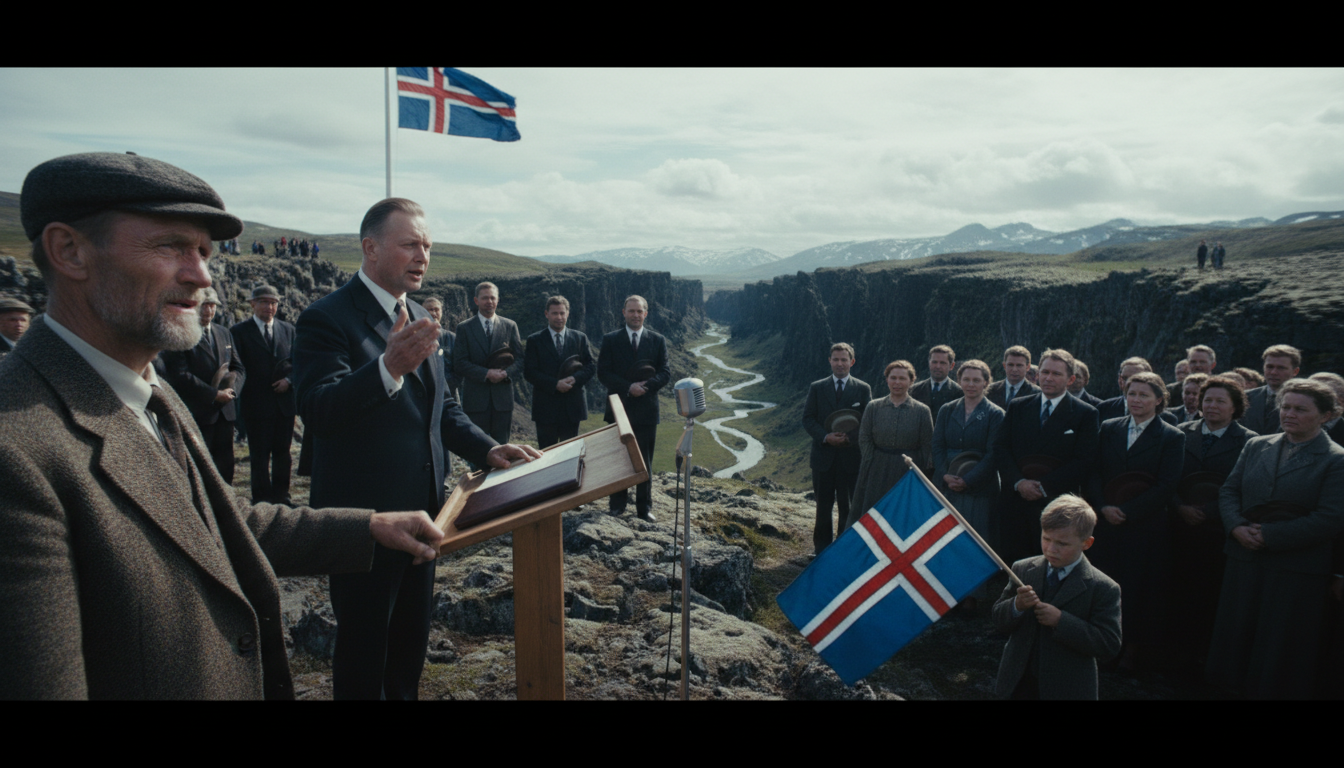
Iceland Declares Independence from Denmark
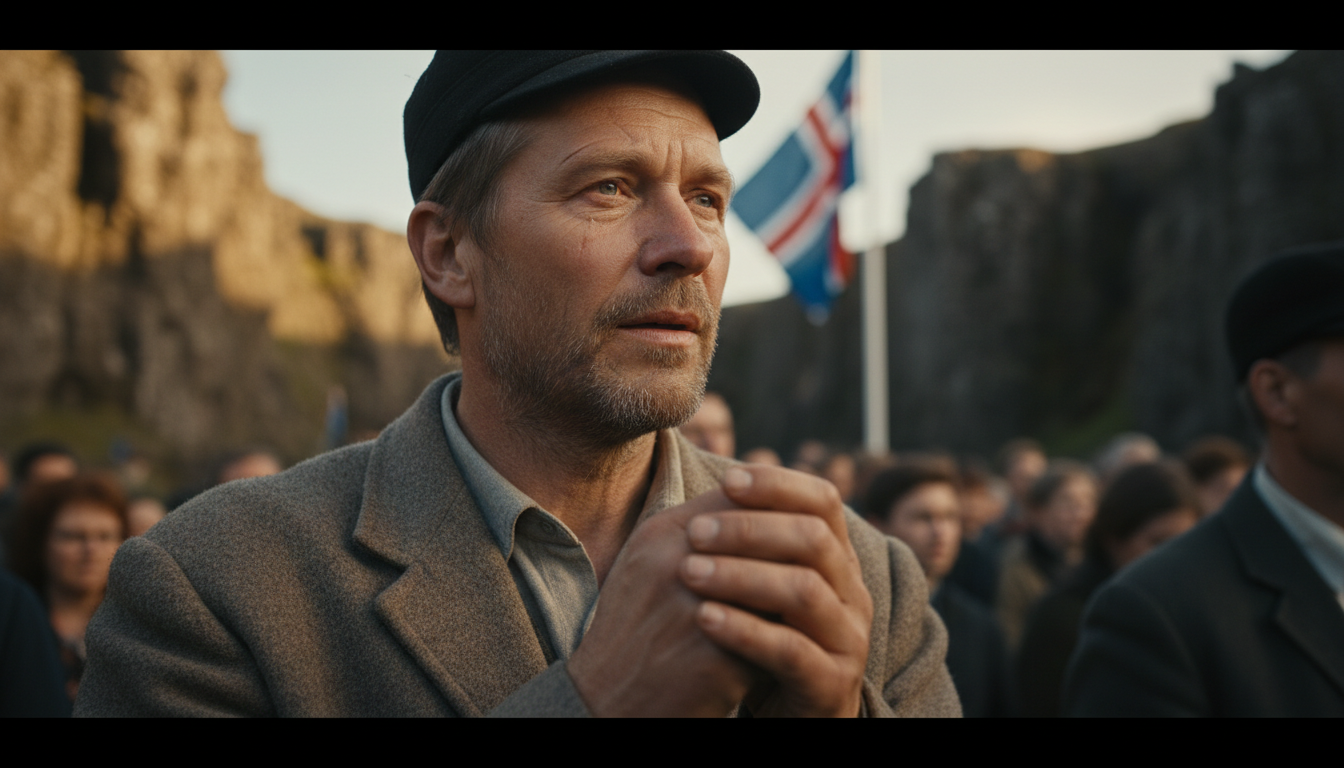
On June 17, 1944, Iceland formally severed ties with Denmark by declaring itself a fully independent republic, ending a personal union that had existed since 1918, establishing Iceland as a sovereign nation during the final stages of World War II.
On June 17, 1944, Iceland formally severed ties with Denmark by declaring itself a fully independent republic, ending a personal union that had existed since 1918. This mattered because it established Iceland as a sovereign nation, gaining control over its own foreign policy and defense during the final stages of World War II. Broader context includes Denmark's occupation by Nazi Germany since 1940, which had left Iceland effectively self-governing, and the 1944 Icelandic constitutional referendum that overwhelmingly supported independence.
Sinking of RMS Lancastria
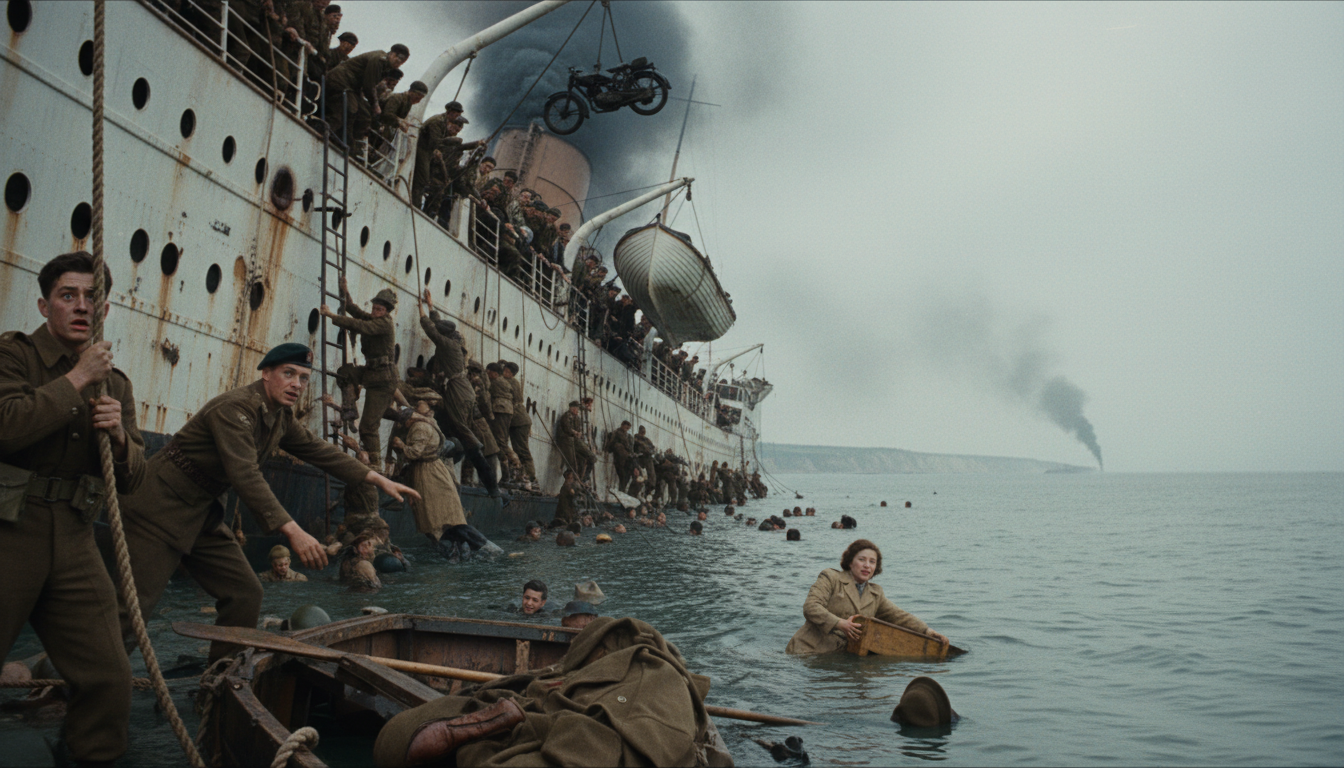
Sinking of RMS Lancastria

The disaster occurred during the collapse of Allied defenses in France, as Germany’s rapid advance forced hasty evacuations from Atlantic ports, overshadowed by the Dunkirk evacuation that had ended days earlier.
On June 17, 1940, the British troopship RMS Lancastria was bombed by German aircraft while evacuating personnel from Saint-Nazaire, France, sinking with the loss of over 4,000 lives. This disaster, the deadliest single-ship loss in British history, is often overshadowed by the Dunkirk evacuation that had ended just days earlier. It occurred during the collapse of Allied defenses in France, as Germany’s rapid advance forced hasty evacuations of military and civilian personnel from Atlantic ports.