![[e]Photo Stream](/logo.png)
June 14
5 moments across history
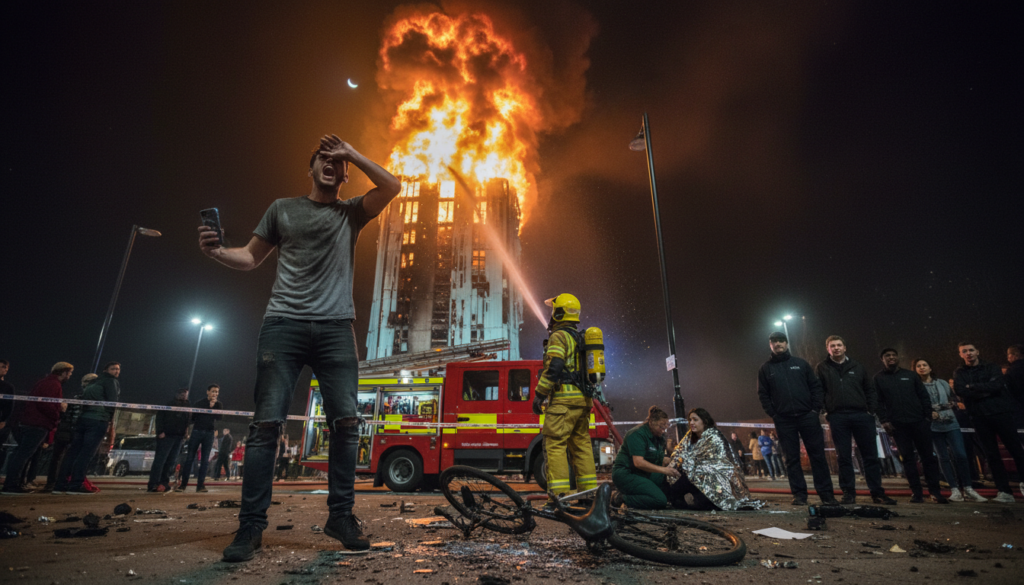
Grenfell Tower Fire
On June 14, 2017, a fire ignited by a faulty refrigerator in a 24-story residential tower in West London spread rapidly due to flammable cladding installed in a 2015–2016 renovation, killing 72 people. The disaster sparked widespread public outrage and a public inquiry, as it exposed systemic failures in building regulations, fire safety enforcement, and social housing neglect under decades of austerity policies. It remains a landmark case in the United Kingdom for highlighting the lethal consequences of deregulation and the prioritization of cost-cutting over resident safety.
Grenfell Tower Fire
Argentine Surrender Ends Falklands War
Argentine Surrender Ends Falklands War
Year: 1982
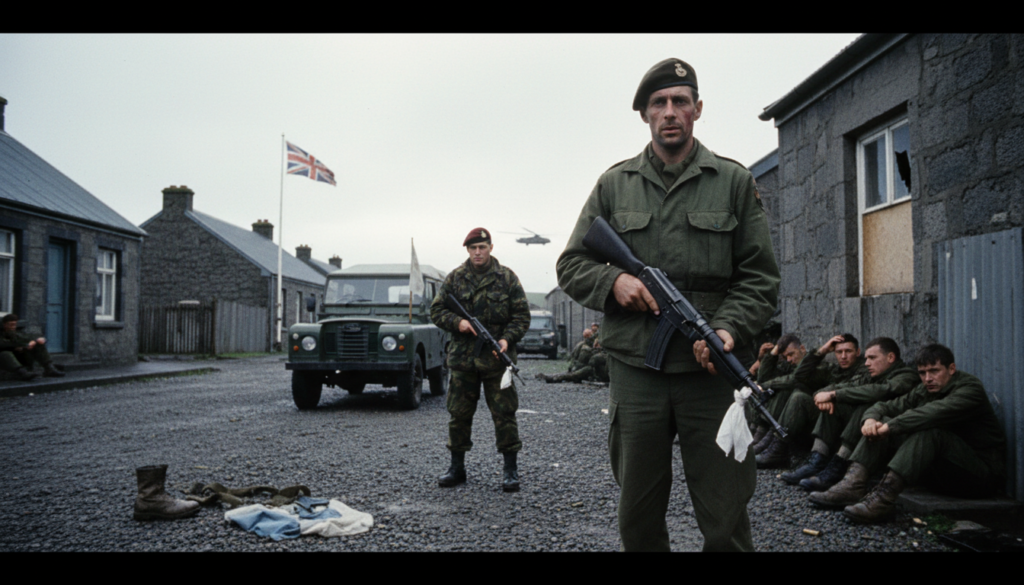
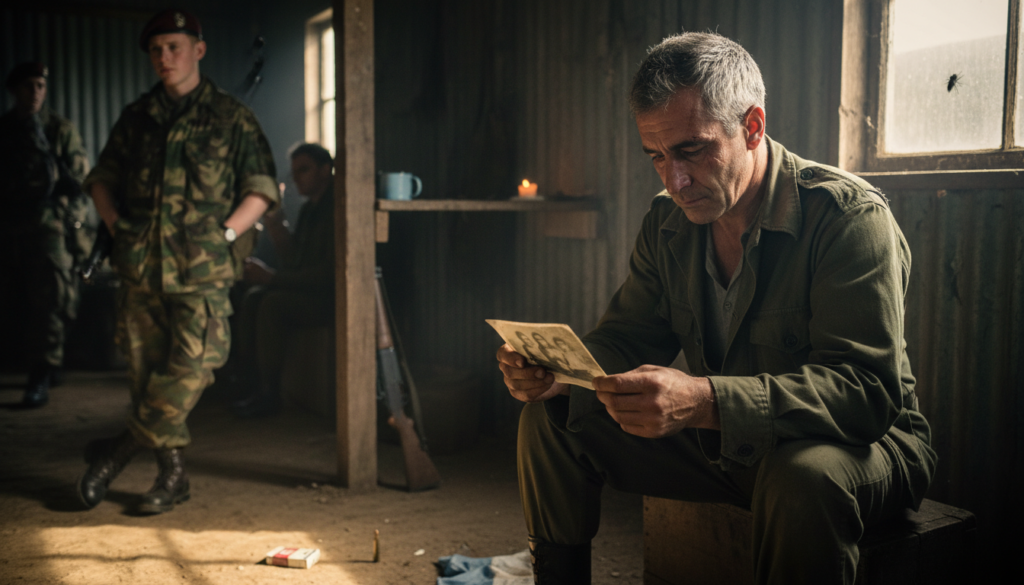
On June 14, 1982, Argentine forces in Port Stanley surrendered to the British, ending the 74-day Falklands War that began with Argentina’s invasion on April 2. The victory restored British control over the disputed South Atlantic islands and bolstered Prime Minister Margaret Thatcher’s political standing, while hastening the collapse of Argentina’s military junta. The conflict underscored persistent post-colonial sovereignty disputes and demonstrated the impact of modern naval power and logistics in remote warfare.
Vatican Abolishes the Index of Forbidden Books
Vatican Abolishes the Index of Forbidden Books
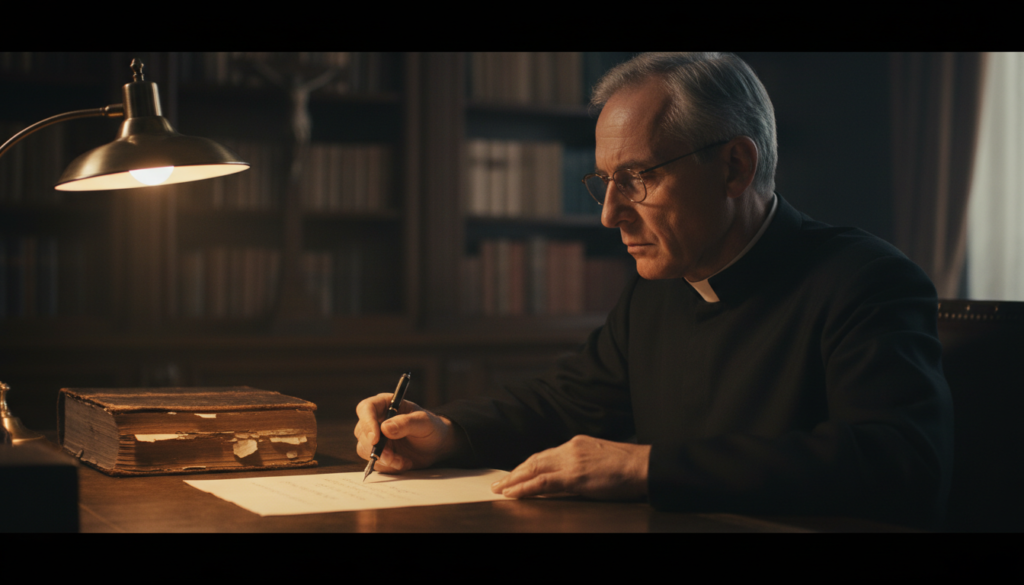
Year: 1966
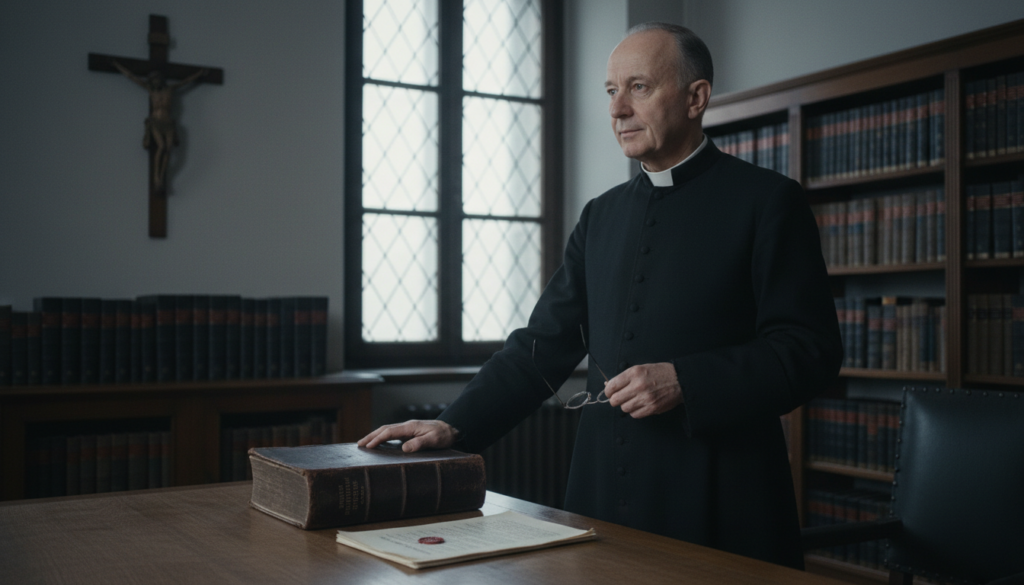
On June 14, 1966, the Vatican formally abolished the Index Librorum Prohibitorum, a list of books Catholics were forbidden to read or possess under threat of moral or spiritual penalty. This mattered because it marked a shift away from strict doctrinal censorship, reflecting the Second Vatican Council’s emphasis on intellectual freedom and engagement with modern thought. Broader historical context includes the Council’s reforms (1962–1965), which sought to update Church teachings in response to secularization, whereas the Index had existed since 1559 as a tool of the Counter-Reformation to combat heresy.
Fall of Paris to German Forces (1940)
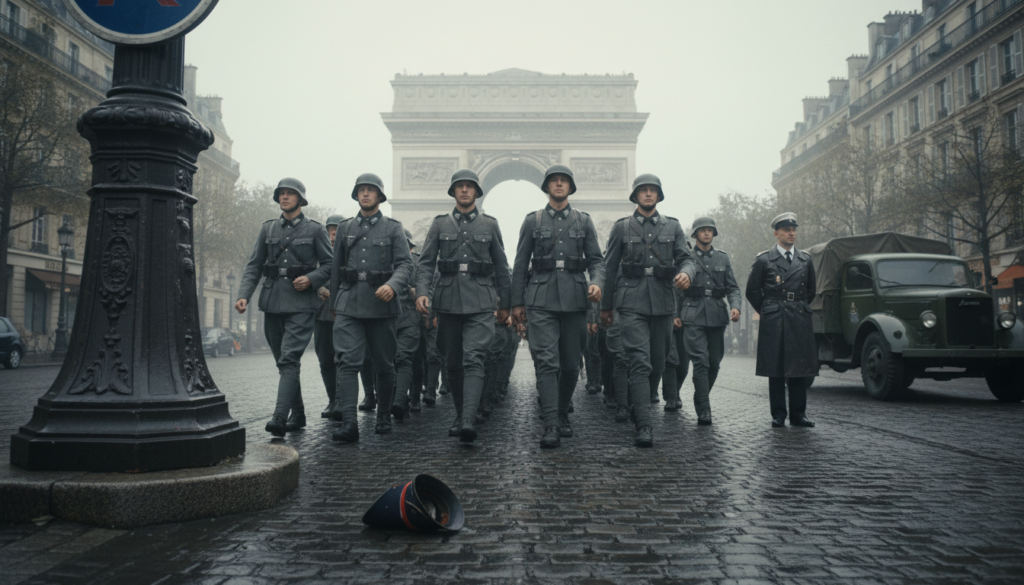
Fall of Paris to German Forces (1940)

Year: 1940
On June 14, 1940, German forces entered Paris without resistance after the French government declared it an open city to avoid destruction, establishing a military occupation that would last until August 1944. This event mattered because it symbolized the collapse of French resistance and the completion of Germany’s swift Western campaign, leading to the armistice signed on June 22 and the division of France into occupied and Vichy zones. Historically, the fall of Paris marked a turning point in World War II, demonstrating Nazi Germany’s blitzkrieg tactics and setting the stage for the subsequent occupation of much of Europe, while also galvanizing Allied resolve.
Hawaii Becomes a U.S. Territory
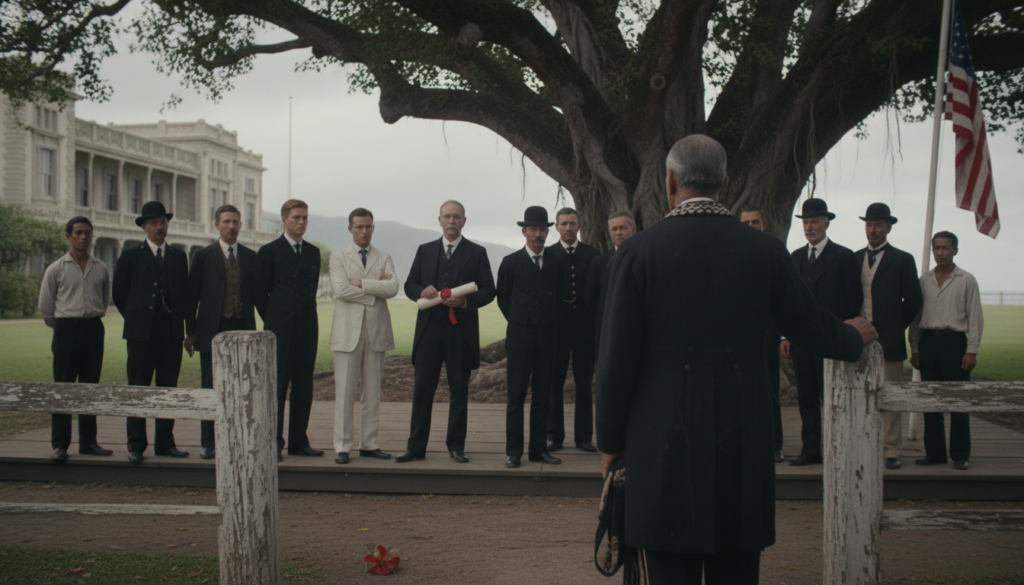
Hawaii Becomes a U.S. Territory
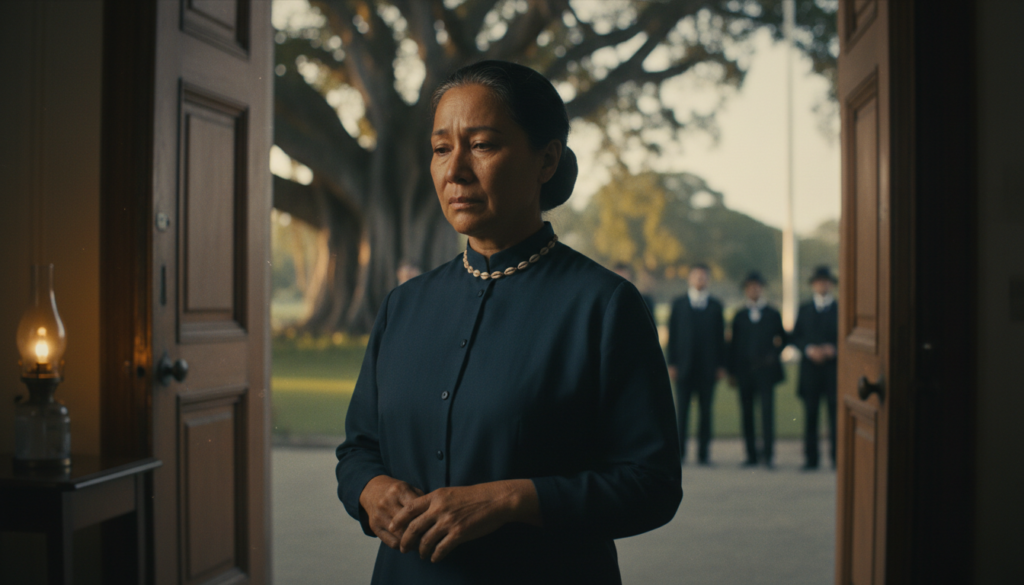
Year: 1900
On June 14, 1900, the Hawaiian Organic Act established Hawaii as an organized incorporated territory of the United States, replacing the provisional government that had followed the 1893 overthrow of the Hawaiian monarchy. This event mattered because it formalized U.S. control over Hawaii, paving the way for its eventual statehood in 1959, while also suppressing Native Hawaiian sovereignty and self-governance. The broader context includes the 1898 annexation of Hawaii during the Spanish-American War, driven by strategic military interests in the Pacific and economic influence from American sugar planters.