April 27
5 moments across history
Inter-Korean Summit and the Panmunjom Declaration
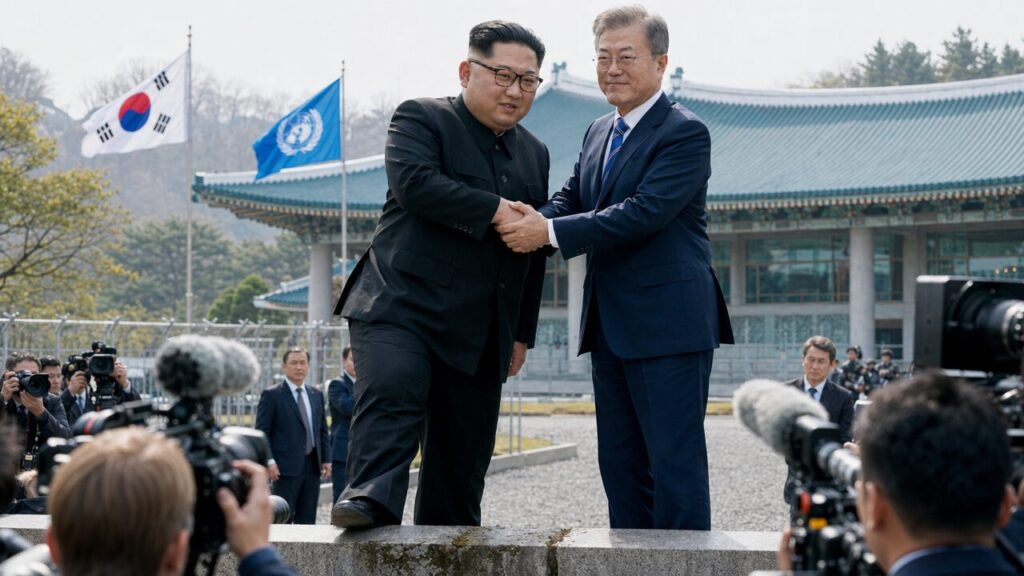
The Korean War ended in 1953 with an armistice rather than a peace treaty, leaving the peninsula technically at war for decades. On April 27, 2018, Kim Jong Un crossed into South Korean territory to meet President Moon Jae-in at Panmunjom, where the two leaders pledged to pursue denuclearization and a permanent peace regime. Although later diplomacy stalled, the summit remains one of the most visible symbols of inter-Korean reconciliation in the modern era.
Inter-Korean Summit and the Panmunjom Declaration
Inter-Korean Summit and the Panmunjom Declaration
Inter-Korean Summit and the Panmunjom Declaration

Year: 2018
The Korean War ended in 1953 with an armistice rather than a peace treaty, leaving the peninsula technically at war for decades. On April 27, 2018, Kim Jong Un crossed into South Korean territory to meet President Moon Jae-in at Panmunjom, where the two leaders pledged to pursue denuclearization and a permanent peace regime. Although later diplomacy stalled, the summit remains one of the most visible symbols of inter-Korean reconciliation in the modern era.
Freedom Day: South Africa's First Democratic Elections
Freedom Day
Year: 1994
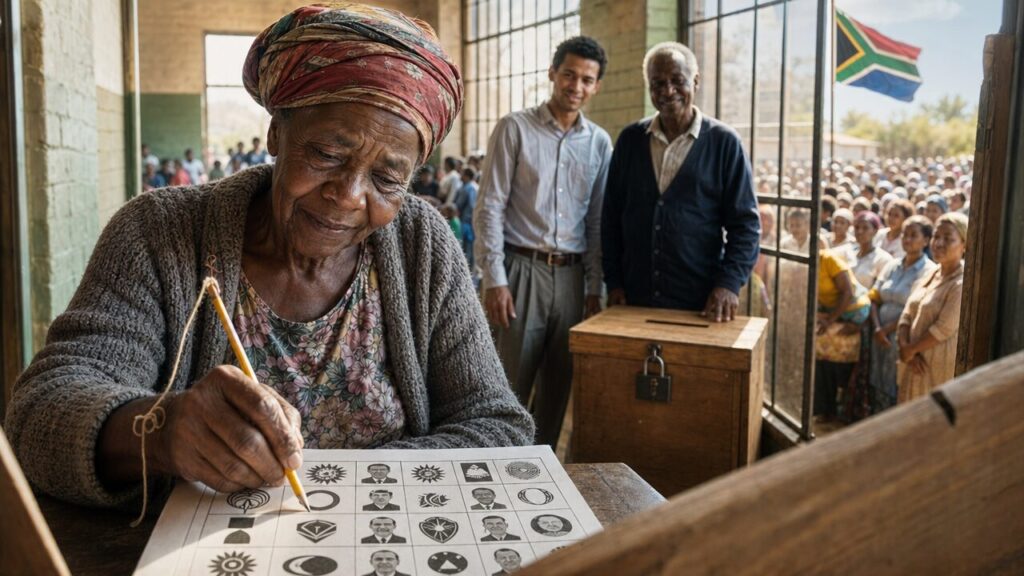
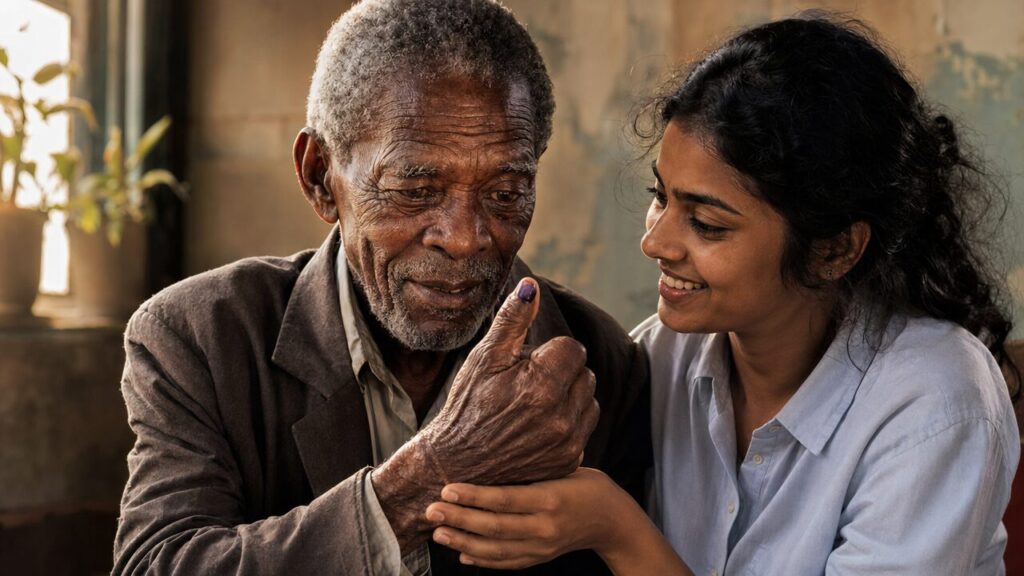
The historic 1994 vote dismantled nearly half a century of institutionalized racism and apartheid, granting equal political representation to millions of disenfranchised Black South Africans. Culminating decades of internal resistance, international pressure, and negotiations, the peaceful transition elected Nelson Mandela as the country's first Black president and birthed a new constitutional democracy.
Apollo 16 Returns from the Lunar Highlands

Apollo 16 Returns from the Lunar Highlands

Year: 1972
Apollo 16 astronauts John Young, Charles Duke, and Ken Mattingly returned to Earth on April 27, 1972, after an eleven-day mission that explored the Descartes highlands. The crew brought back more than 200 pounds of lunar samples, including rocks that changed scientists’ expectations about the Moon’s geology. The mission strengthened Apollo’s scientific legacy near the end of the program.
Sierra Leone Gains Independence from the United Kingdom
Sierra Leone Gains Independence from the United Kingdom
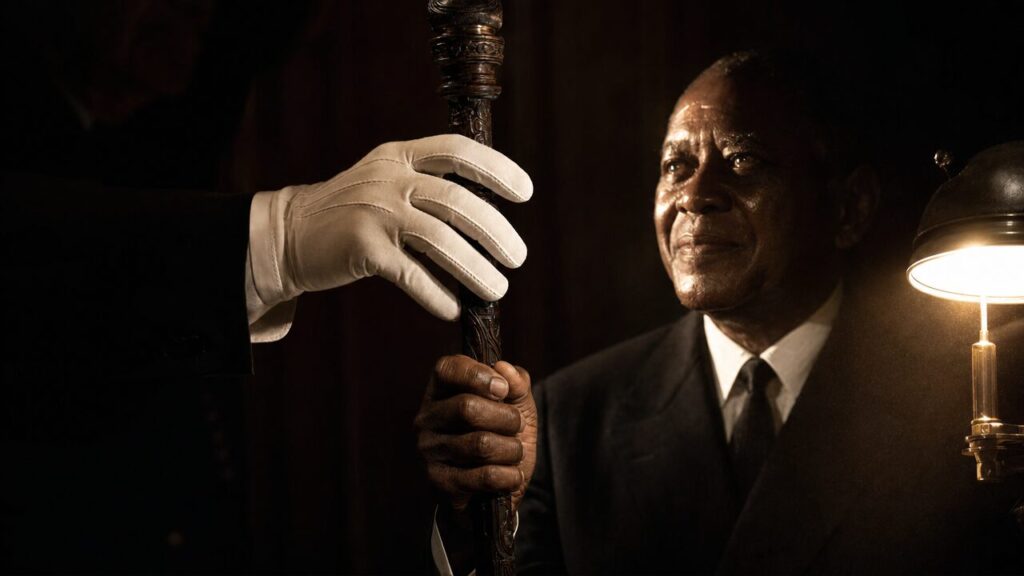
Year: 1961
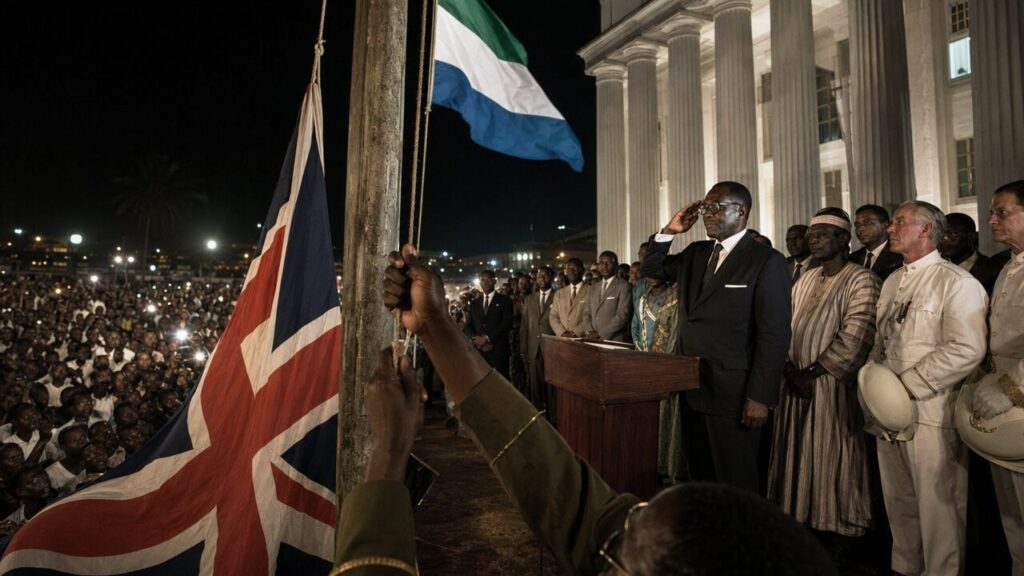
Ending over 150 years of British colonial rule, Sierra Leone transitioned to self-governance through peaceful constitutional negotiations. Sir Milton Margai became the first prime minister, and the nation took control of its political future and natural resources, including diamonds. This milestone was part of the massive wave of decolonization across Africa in the 1960s, positioning Sierra Leone as a newly sovereign player on the global stage during the Cold War era.
Togo Gains Independence from France
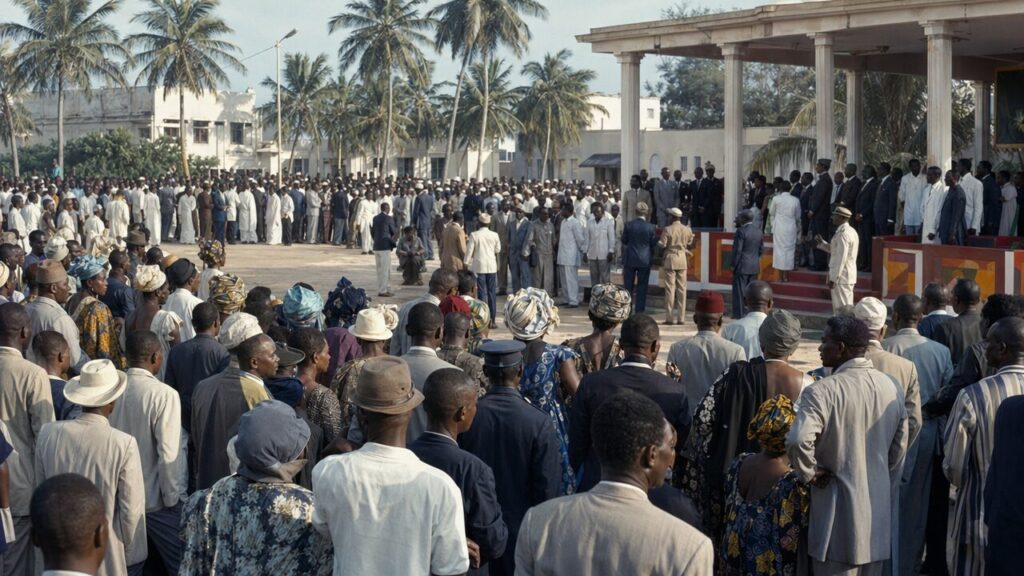
Togo Gains Independence from France
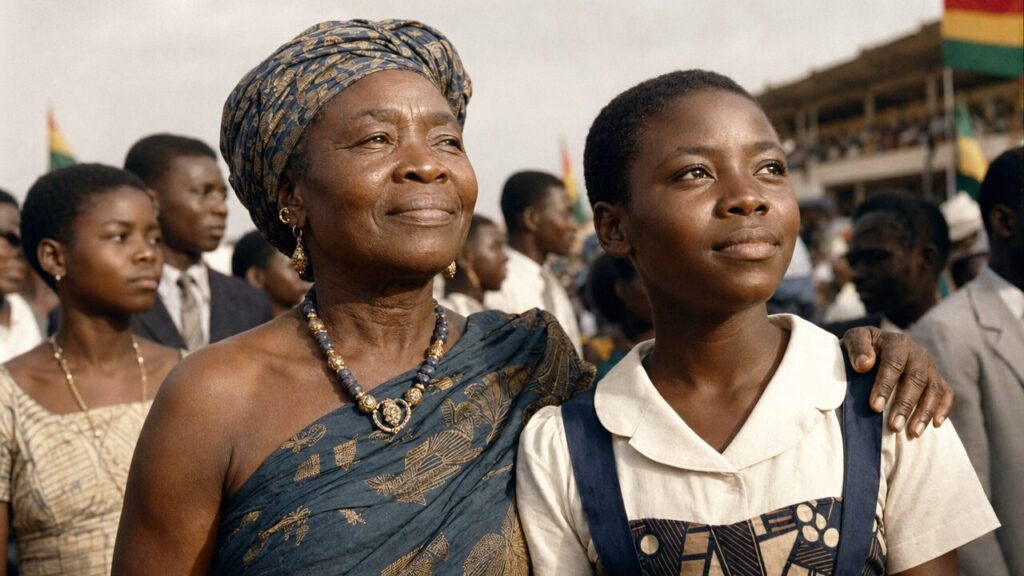
Year: 1960
On April 27, 1960, Togo formally gained independence from France after years of political organizing and United Nations-supervised transition. Sylvanus Olympio became the country’s first president, and the new republic entered the global stage during a transformative year for African independence movements. The milestone remains Togo’s national Independence Day.