May 1
5 moments across history
Juno's Arrival at Jupiter
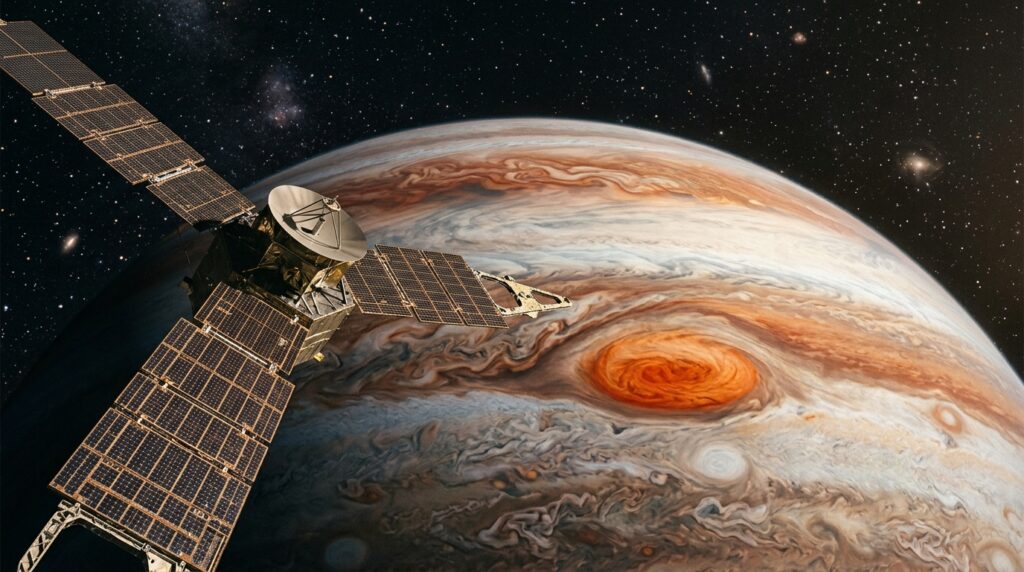
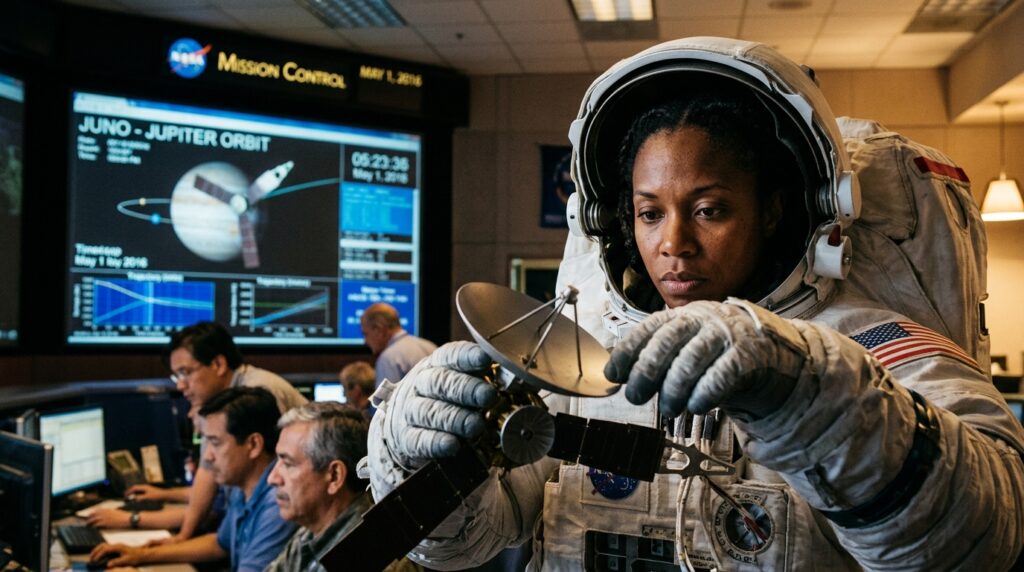
The mission aimed to gather detailed information about Jupiter's composition, structure, atmosphere, and magnetosphere, contributing to our understanding of the solar system.
Juno's Arrival at Jupiter
Juno's Arrival at Jupiter
Juno's Arrival at Jupiter
Year: 2016
The mission aimed to gather detailed information about Jupiter's composition, structure, atmosphere, and magnetosphere, contributing to our understanding of the solar system.
BASIC Programming Language Debuts
BASIC Programming Language Debuts

Year: 1964
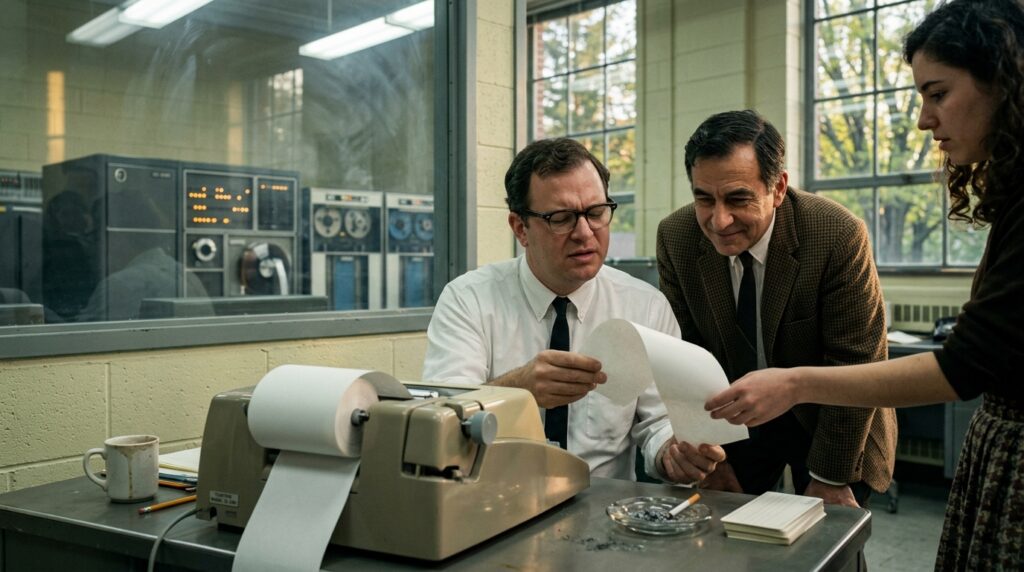
Prior to BASIC, programming was restricted to professionals using complex languages. Kemeny and Kurtz designed BASIC with intuitive, English-like commands (like PRINT and GOTO) so non-engineering students could write functional programs on the Dartmouth Time-Sharing System. This shifted the computer from an esoteric machine into an accessible, interactive tool for the general public. BASIC later became the de facto standard for early home PCs, famously launching Microsoft when Bill Gates and Paul Allen adapted it for the Altair 8800, and introducing an entire generation to software development.
Empire State Building Dedication
Empire State Building Dedication
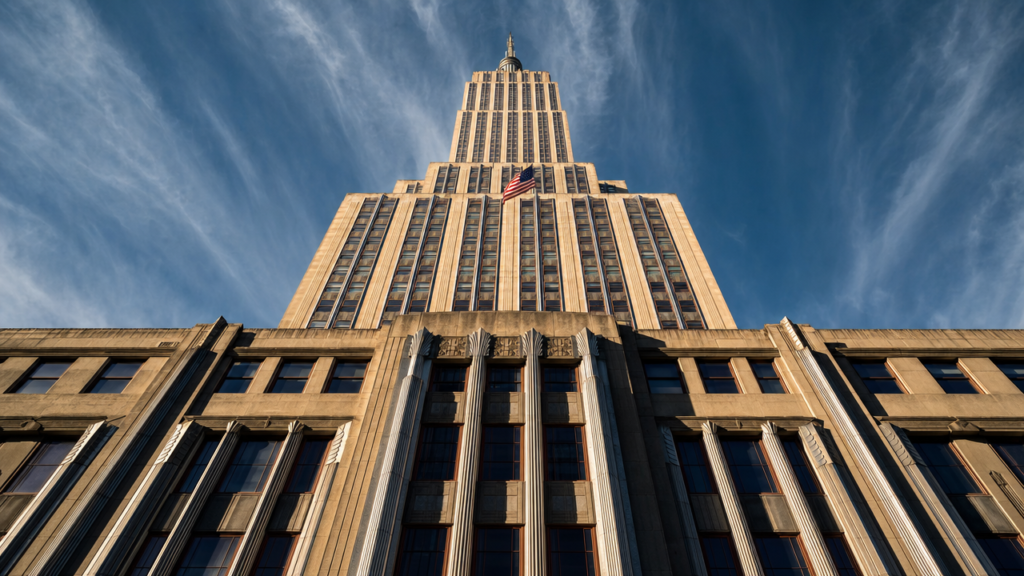
Year: 1931
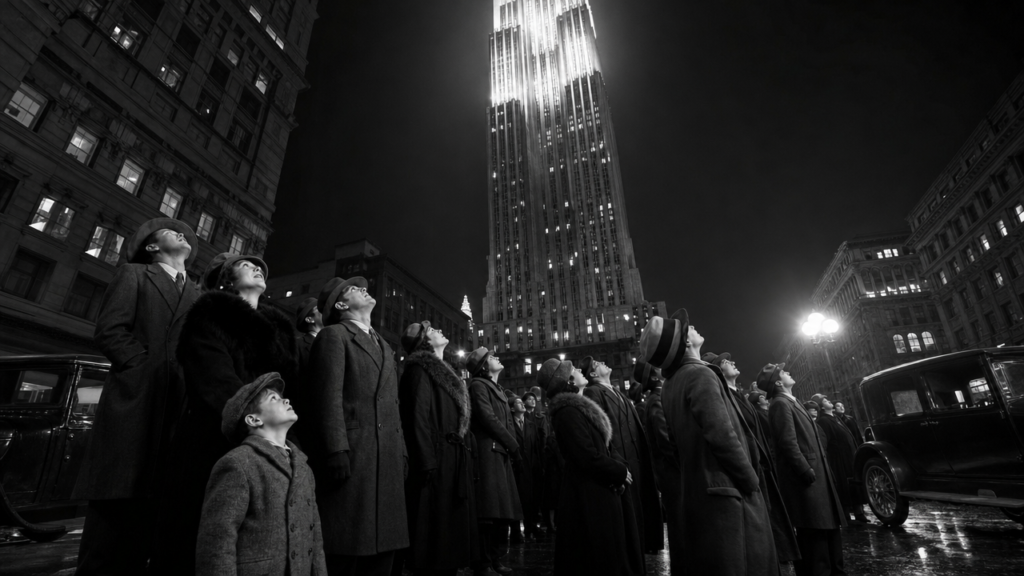
On May 1, 1931, President Hoover officially dedicated the 102-story, 1,454-foot Empire State Building by remote from Washington, D.C. Constructed in just over a year to surpass the Chrysler Building, it stood as a monumental engineering triumph and symbol of American ambition. However, opening amid the deepening Great Depression, the skyscraper struggled to attract tenants and was dubbed the "Empty State Building." Despite early financial failures, it remained the world's tallest building for nearly four decades, enduring as an iconic symbol of resilience.
The Official Naming of Pluto
The Official Naming of Pluto
Year: 1930
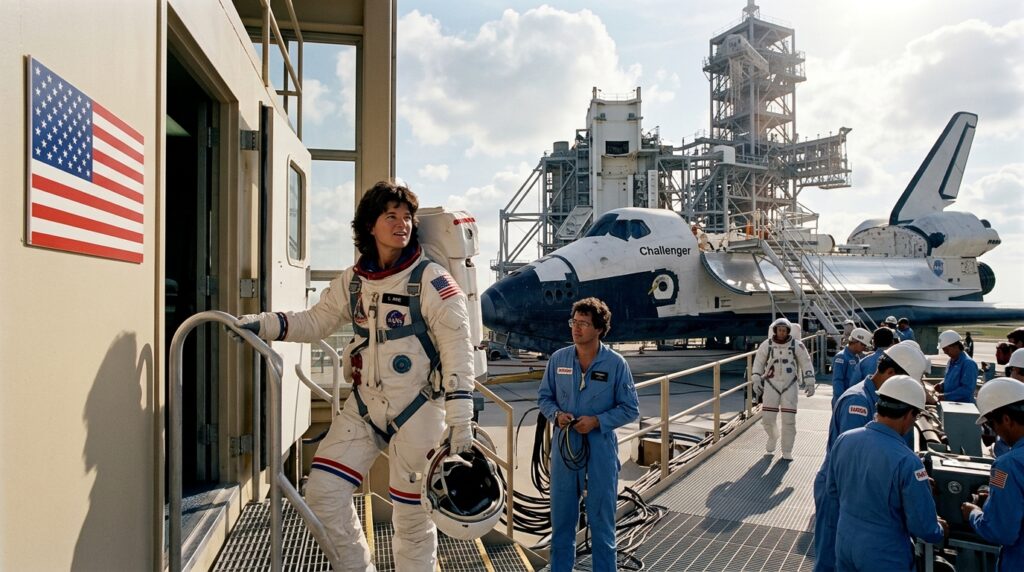
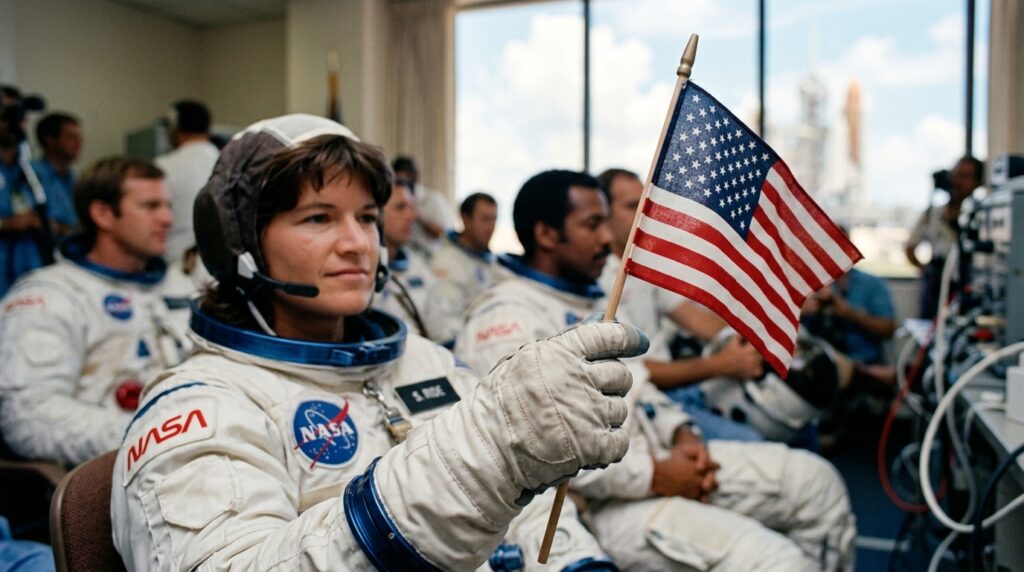
Announced on May 1, 1930, the name "Pluto" transformed a faint celestial object into a cultural touchstone. Proposed by Venetia Burney, the name honored the Roman god of the underworld while subtly paying homage to the observatory's late founder, Percival Lowell ("PL"). The christening validated the decades-long scientific hunt for "Planet X" and offered a rare moment of global wonder amid the Great Depression. Though reclassified as a dwarf planet in 2006, the naming remains a milestone in astronomical history.
The First May Day and the Eight-Hour Workday
The First May Day and the Eight-Hour Workday

Year: 1886
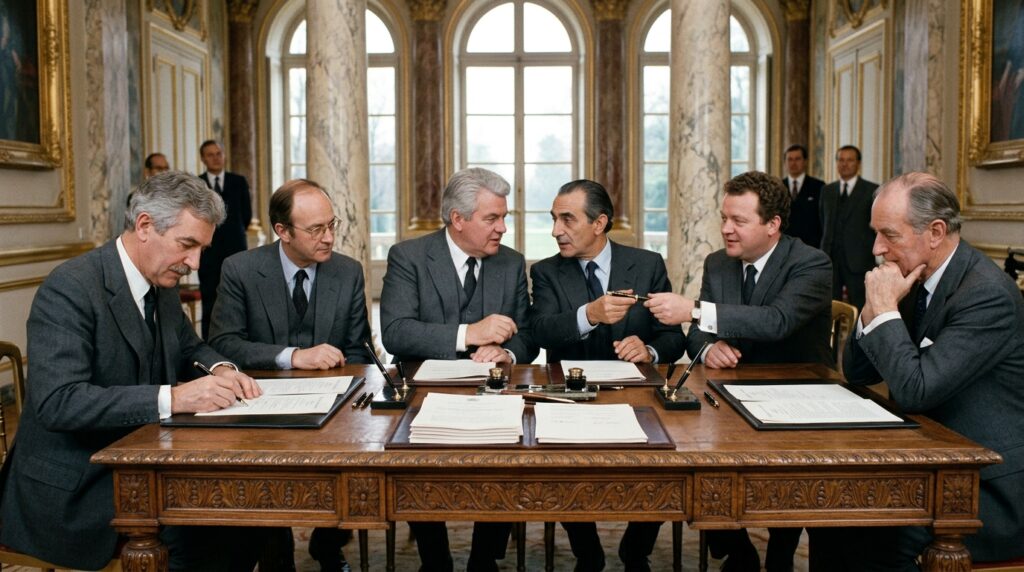
Emerging from the Industrial Revolution's brutal 12- to 16-hour workdays, dangerous factory conditions, and rampant child labor, the 1886 strike popularized the slogan "Eight hours for work, eight hours for rest, eight hours for what we will." Though the subsequent Haymarket affair and controversial execution of anarchist leaders provoked an initial backlash, the injustice galvanized global workers, prompting the Second International to designate May 1 as International Workers' Day in 1889—a holiday now celebrated worldwide but still largely unrecognized as an official labor holiday in the U.S. where it began.